



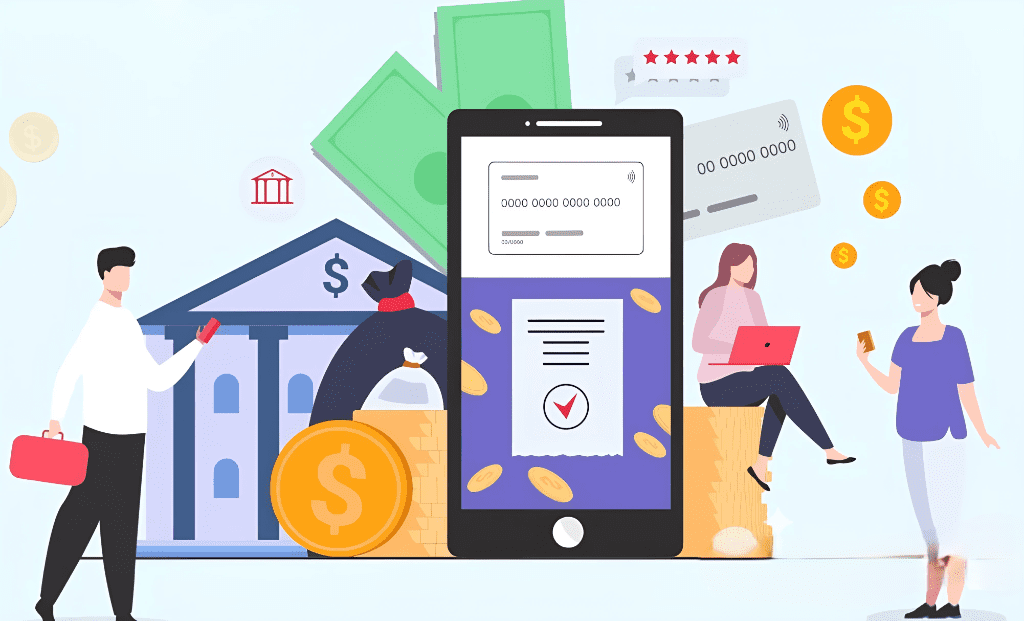
Amid inflation, income volatility, and rising cost of living, young Nigerians are turning to fintech in growing numbers. However, the latest Nigeria Financial Habits Survey 2025 reveals that while adoption is widespread, usage remains shallow, and expectations are rapidly evolving.
The report, compiled by research studio Column and based on responses from over 1,100 young, mobile-first Nigerians, offers a revealing picture of how fintech tools are used across the country and what users want.
From automated savings to unified dashboards, the message is clear: digital finance is not just an app. It has become a lifeline.
Opay leads, but fintech usage is fragmented
A striking 96.9% of respondents use at least one financial app, with over a third juggling two or more.
Dominating the space is Opay, used by nearly 64% of respondents, followed by PalmPay (15.3%), Kuda (9.75%), and Moniepoint (6.5%). Traditional bank apps like GTBank and Zenith trail far behind, each capturing less than 1% of responders.
Yet, despite the high usage, only 23.4% of respondents save through fintech apps. Instead, 79.3% continue to stash their money in traditional bank accounts, highlighting either a trust deficit in fintechs or a disconnect between app usage and financial engagement.
“Fintech apps are everywhere, but financial engagement is still rare,” the report notes. “They are used, but not deeply yet.”
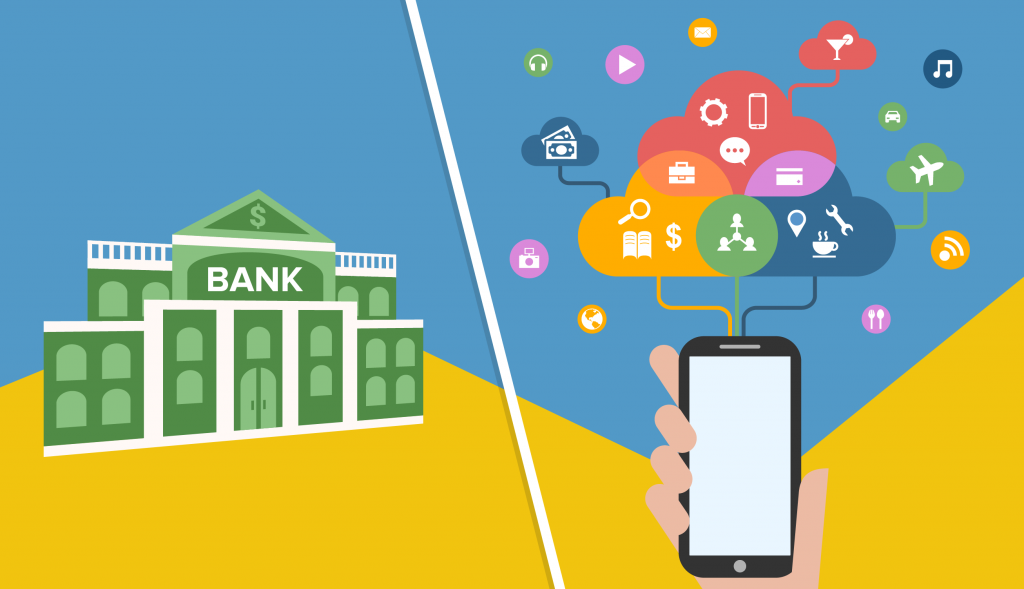
Automation, integration, and simplicity top users’ wishlist
According to the report, what users want from fintech is no longer speed or convenience: they want control. It shows that a massive 75.2% of users want to see all their financial activity in one place.
That includes bank balances, wallet activity, savings, and even spending behaviour. Currently, most respondents use multiple apps and platforms to manage money, which creates cognitive and logistical friction.
The top-requested features include:
- Automatic savings (65.7%)
- Locked savings (20.6%)
- Budgeting tools (18.4%)
- Expense tracking (15.9%)
- Financial reminders (20%)
These preferences point to a broader desire for “set-it-and-forget-it” tools that help users save and budget without micromanaging every naira.
Expense tracking: A gaping need and opportunity
Despite the appetite for financial control, 36.9% of respondents say they do not track expenses at all. Among those who do, most rely on notebooks, memory, or basic notes apps. Only 5.2% use dedicated budgeting apps, and just 12.7% consult their bank statements.
This low uptake of digital tracking tools reflects both usability issues and a broader socioeconomic context. In a country where prices can shift dramatically from week to week, budgeting may feel futile. Many respondents are students or freelancers with irregular incomes, making structured planning difficult.
“There is a big opportunity for fintech to fill this gap,” the report states. “Not with complex dashboards, but with simple, automated tracking that works quietly in the background.”
The desire for a single, unified financial view plays directly into the promise of open banking; its adoption in Nigeria remains sluggish. Although the Central Bank of Nigeria (CBN) released an open banking guideline in 2023, the implementation has lagged.
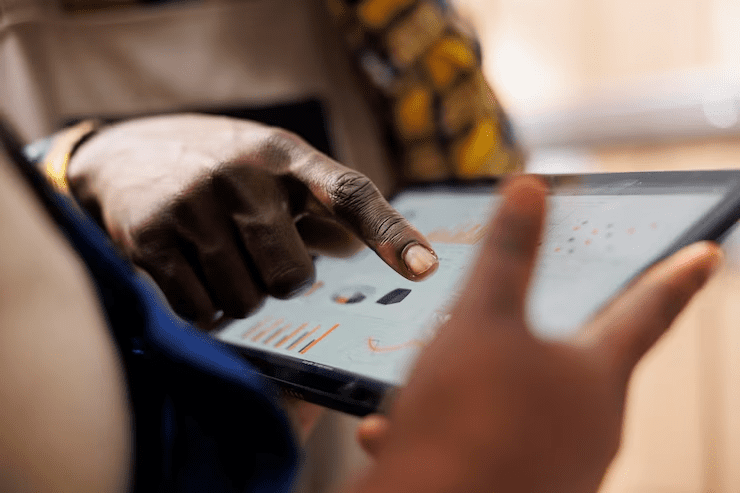
Banks, for their part, risk becoming “passive storage lockers” unless they adapt. The report encourages traditional institutions to evolve into “financial command centres” by adopting features like real-time dashboards, automated savings plans, and integrated expense insights.
“Open banking could power smarter apps and real-time insights. Without it, users are left juggling incomplete pictures of their finances.”
The findings underscore a clear truth: fintech in Nigeria is no longer about onboarding users. It is about serving them better. As young Nigerians navigate financial precarity, they are not just looking for tools; they are seeking allies.
To become that, fintech firms must:
- Embed smart defaults like auto-saving and bill prediction
- Provide low-data, mobile-first experiences
- Integrate multiple accounts into a single dashboard
- Collaborate with telcos, retailers, and banks to offer bundled savings or rewards
With over 46% of users spending significant monthly income on airtime and data, the report also highlights opportunities for telcos to offer micro-savings, reward bundles, or broadband discounts as financial services, not just connectivity.
Overall, the Nigeria Financial Habits Survey 2025 makes one thing clear: Young Nigerians are not financially reckless; they are under pressure. Most want to save. Many already use fintech tools. But without better design, deeper integration, and a more empathetic understanding of user needs, even the best apps will fall short.
Fintech companies and the broader financial ecosystem must now step into the gap, not just as service providers, but as partners in survival and upward mobility.
