





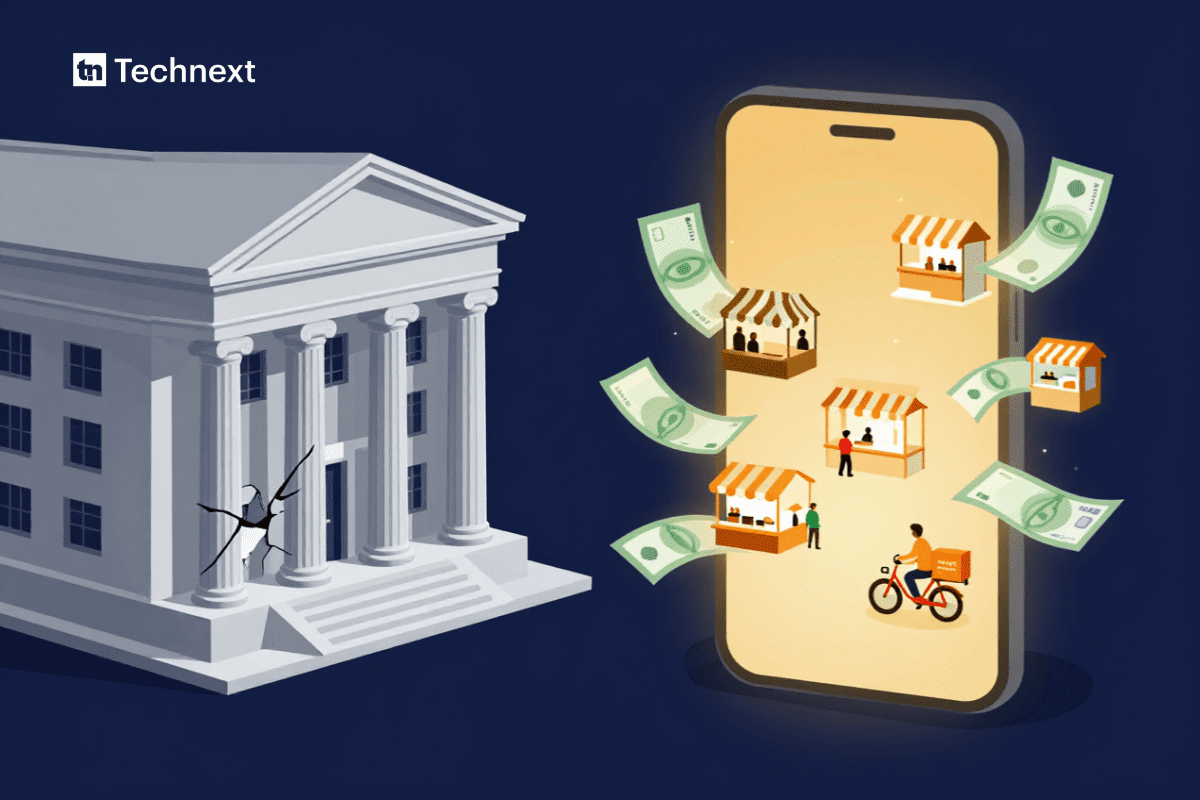
Nigeria’s inflation rate showed a slight drop in September 2026, falling to 14.63% from 15.39% in August. This offers a glimmer of hope for households and businesses alike. However, for fintech companies and banks, the key question remains: will this slower rise in prices lead to increased spending, more digital transactions, and higher demand for financial services?
The National Bureau of Statistics reported a modest month-on-month inflation rate of 0.06% in September, down from 0.71% in August. While this means that prices are rising at a slower pace, it doesn’t necessarily indicate that everyday items have become cheaper. In fact, food inflation remained stubbornly high at 19.59%, just slightly above August’s 19.57%.
This situation poses a crucial challenge for fintech firms like OPay, PalmPay, and Moniepoint, which rely heavily on customers utilising digital wallets and payment services for routine purchases. If the costs for essentials like food and transport begin to stabilise, households might find some extra cash to spend on non-essential items, potentially boosting digital transactions.

On the flip side, if most of their income still goes to essentials, customers may continue making frequent transfers while cutting back on other expenses. Simply having a lower inflation rate doesn’t clarify which scenario will unfold.
Similar read: Nigeria’s inflation drops to 14.63% in September, but food inflation edges up
Recent payment data gives us more insight into this complex situation. In the first quarter of 2026, the total value of electronic payments across six channels rose by 2.85% from the previous year, reaching ₦1.053 quadrillion. However, the opposite trend emerged in transaction volume, which declined by 9.19%, totalling 12.57 billion transactions. Interestingly, mobile payments saw a significant increase, jumping by 28.6% to 2.67 billion transactions.
This illustrates that while some payment methods are thriving, others are struggling. It doesn’t definitively link these changes to inflation, but it does provide fintech companies with a useful reference point as they navigate these shifting economic conditions.
Banks are already earning more from digital services
Banks are increasingly relying on electronic payments as a significant source of income. In the first quarter of 2026, an analysis of 11 publicly listed banks showed that they earned ₦224.69 billion from electronic banking services, including ATM and card-related fees. This figure represents a 12.56% increase from ₦199.61 billion during the same period in 2025.
Specifically, income from electronic banking and e-business rose to ₦177.97 billion, up by 11.57%. This growth indicates that customers are using digital channels more frequently, which in turn boosts banks’ revenue.
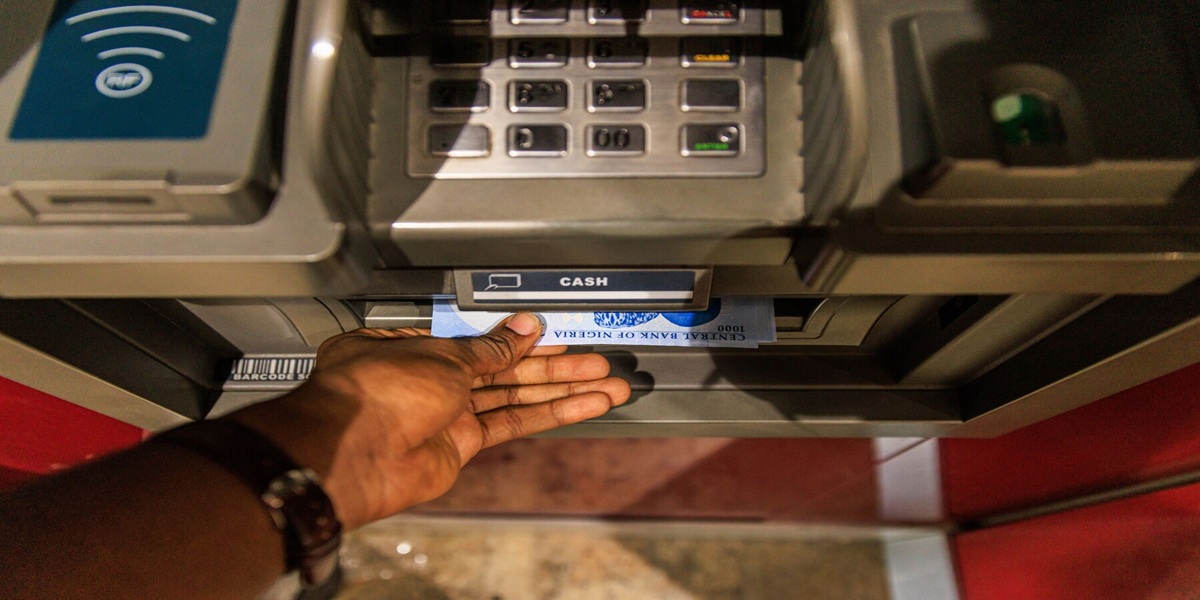
Looking ahead, if inflation continues to ease, it could encourage more spending by consumers and businesses, making these payment fees a vital part of banks’ earnings. However, it’s essential to note that future income from digital services isn’t guaranteed. Several factors, such as the number of transactions, banks’ fee structures, service reliability, and how much customers are willing to spend, will all play a role in determining whether this income continues to grow.
Lower inflation has not made borrowing cheap
The lending landscape in Nigeria is facing its own unique challenges. In September, the Central Bank made a significant move by lowering its benchmark interest rate from 26.5% to 23%. However, despite this reduction, lending rates remained steep, with banks charging varying rates based on the borrower and the type of loan. In some cases, these maximum rates spiked as high as 60%.
For fintech companies and traditional banks, the hope is that lower inflation will eventually ease the financial burden on customers, enabling them to better manage their loan repayments as their incomes may start to catch up with rising living costs. However, borrowers are still grappling with high financing costs, and just because inflation is moderating doesn’t mean that interest rates on existing or new loans will drop automatically.

As it stands, the financial sector is cautiously optimistic. September’s data indicates a slowdown in price increases, and looking ahead to 2026, we see that digital payments and banking fees will continue to play a vital role in the industry.
Read also: CBN wants to remove 4 ‘brakes’ holding back Nigeria’s fintech growth
