



VitalSwap is expanding its cross-border payment infrastructure between the United States and Africa, adding smaller remittance transfers and stablecoin payment options for businesses as it looks to make international transactions more accessible.
The fintech previously focused on high-value cross-border payments, handling transactions ranging from $5,000 to $5 million for invoices and large purchases involving Nigeria, the US, Europe, and China. It is now extending its services to smaller transfers for expenses such as family support and travel.
“We are extending the service to lower value remittances like family support, travel expenses, etc.,” Akinsola Jegede, VitalSwap’s founder, told Technext.
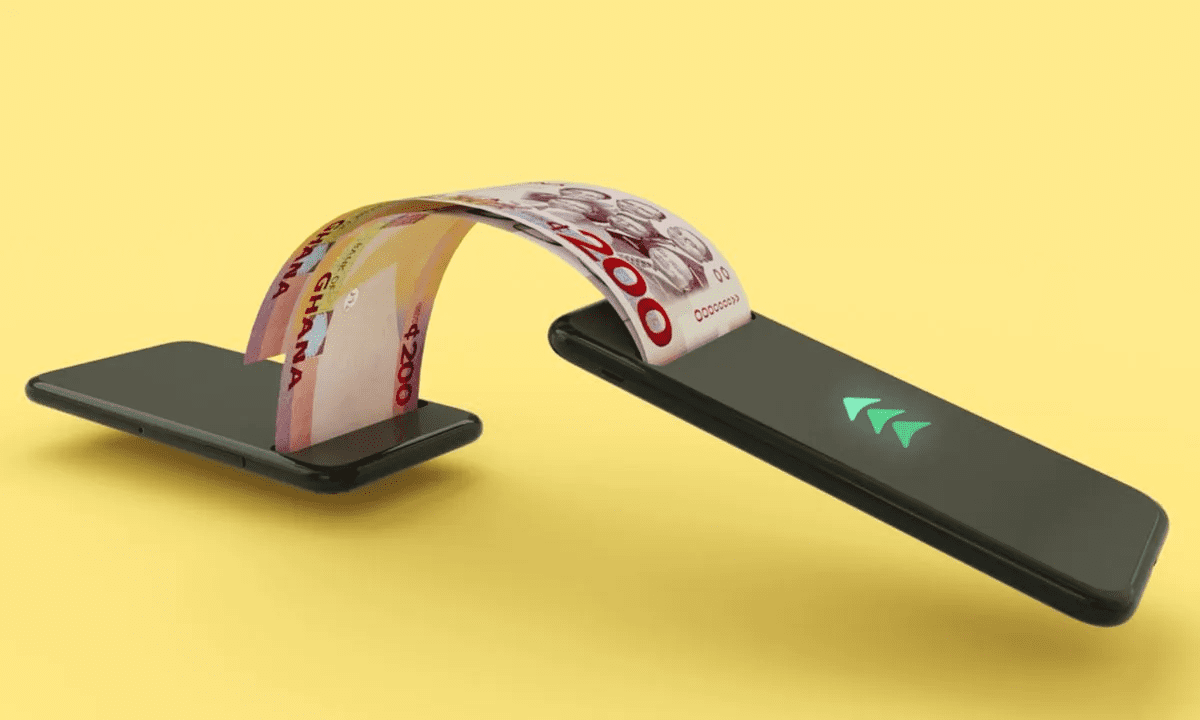
The expansion includes strengthening its US-to-Nigeria remittance corridor through a partnership with payments company Veem and extending its remittance infrastructure to Ghana, giving people in the US additional ways to send money to West Africa.
Nigeria remains a major recipient of diaspora remittances, but sending money to the region can be expensive. The World Bank has consistently identified Sub-Saharan Africa as the most expensive region for remittances, with transaction costs averaging close to 8% in some reporting periods.
VitalSwap says its expanded services aim to address these challenges through competitive exchange rates, lower transfer costs, and faster settlement, helping individuals and businesses move money across borders for family support, school fees, healthcare, and commercial expenses.

How VitalSwap is handling cross-border transfers
Through its partnership with Veem, VitalSwap has divided the payment process between the two companies. Veem collects funds from customers in the US, while VitalSwap handles settlement in Nigeria.
“Veem handles collection of funds from US customers; VitalSwap handles settlement in Nigeria,” Jegede said. He added that the partnership helps VitalSwap serve customers in US states where it was not previously licensed.
The cost of a transfer depends on how the sender pays. According to Jegede, customers using bank transfers can send $200 without an additional transaction fee and receive a more competitive exchange rate. Card payments typically attract a fee of about $3 for a $200 transaction.
Similar read: The new architecture of African money: Why stablecoins are dethroning traditional bank rails
Jegede cited a rate of approximately ₦1,375 per dollar on VitalSwap, compared with ₦1,365 on a competing platform at the time of his response. At those rates, a recipient would receive ₦275,000 instead of ₦273,000 for a $200 transfer, before applicable charges. The comparison has not been independently verified.
The fintech adds stablecoin checkout for businesses
Alongside remittances, VitalSwap Business’s Checkout infrastructure now allows merchants to accept stablecoins, including USDT and USDC, and other supported crypto assets without building separate cryptocurrency payment infrastructure.
The feature targets businesses, freelancers, and remote workers who receive international payments in digital assets. For instance, a Nigerian developer paid in USDC by an overseas client can convert the supported stablecoin into naira and withdraw the funds directly to a local bank account.
“Stablecoin simplifies things. A Nigerian receives stablecoin and off-ramps to Naira. Withdraws directly to their bank accounts,” Jegede said.
Businesses can generate payment links without integrating the checkout system into their websites. Customers can then choose from available payment methods, including bank transfers, debit cards and stablecoins. Technical integration is also available for businesses seeking to incorporate the service into their platforms.
Jegede said the service charges 0.8% per transaction, with either the sender or the recipient able to pay the fee. The company has completed a stablecoin pilot with selected customers and businesses, recording $600,000 in total payment volume.
The crypto functionality complements VitalSwap’s foreign exchange marketplace, where users can set preferred exchange rates or explore available market options. Jegede also said the company ranked first on RateWatch’s USD-to-naira comparison at the time of his response, although that ranking was not independently verified.
VitalSwap reports ₦1.1bn in monthly transaction volume
VitalSwap says it serves more than 30,000 users across over 30 countries, with payment services spanning Africa, Asia, North America and Europe.
Jegede told Technext that the platform processes approximately ₦1.1 billion in monthly total payment volume and has around 11,000 monthly active users, many of whom use its virtual card service. Most of its transaction activity comes from the Nigeria, US and China corridors.
The company said it and its partners hold relevant regulatory authorisations in the US, Nigeria and Ghana, citing FinCEN, the Central Bank of Nigeria and the Bank of Ghana. However, it did not identify the specific licensed entities responsible for each service.
As cross-border payments increasingly involve both traditional currencies and digital assets, VitalSwap is seeking to give individuals and businesses more ways to send, receive, and convert money across markets. Its ability to deliver on that promise will depend on the costs, reliability, and accessibility of its services as the new payment options reach more customers.
Also read: Kora launches One Rail to bring stablecoin payments to African merchants
