


When MTN Nigeria completed its first test call at Maritime House in Apapa, Lagos, back in May 2001, few could have predicted that a single network would end up rewriting the rules of the Nigerian digital life, culture, and connectivity.
Twenty-five years later, the telecom giant has transformed from being a telecommunications provider to a pillar of Nigeria’s mobile connectivity. It has adapted to cultural evolutions that have made Nigerians’ voice and data usage story memorable.
MTN Nigeria’s path to surpassing 90 million subscribers was driven by risky decisions, continuous innovation, and marketing strategies. There was also the regulatory challenge that almost knocked the company out of the Nigerian telecoms industry.
In no particular order, here are the 10 decisive moments that defined MTN Nigeria’s iconic 25-year journey from a decisive $285 million entry to significant digital prowess.

1. The 2001 entry
What’s best to tell of the journey if not the entry point?
At a time when Nigerians only relied on telephone and NITEL’s weak and expensive services to make calls, no one ever thought a time could come when voice calls would become easy. The call for a telecom license, ushered in by the Nigerian Telecommunications Policy 2000, was all the country needed to open its space for that transformation.
However, entering Nigeria cost MTN a lot.
With $285 million for a license and 90 days to prepare their facilities before launch, MTN, alongside Econet (now Airtel) and MTEL (NITEL’s mobile services), had a critical lifeline. A chance to give Nigerians the greatest light of their success, or delay the moment and lose their money if they failed.
On May 6, 2001, Strive Masiyiwa, the Chairman of Econet Wireless (now Airtel), made the first Nigerian call to the Nigerian Communications Commission (NCC). 10 days later, MTN Nigeria completed its first test call at Maritime House in Apapa, Lagos, before it officially rolled out three months later.
2. The per-second billing
The per-second billing introduction was another moment that kept the company in business. While MTN Nigeria had previously claimed that per-second billing was technically impossible due to the immature mobile networks, it was later introduced after Globacom launched the service in August 2003.
Before per-second billing, MTN and other operators utilised a per-minute billing system where all calls were rounded up to the next full minute. For instance, a one-second call costs the same as a 60-second call.
Perhaps MTN Nigeria might have lost in the market if it had failed to launch the service. On October 21, 2003, under CEO Adrian Wood and Chief Marketing Officer Afam Edozie, MTN reversed its stance. Effective from December 1, 2003, prepaid customers were billed 80 kobo per second for calls.
3. A smooth brand transition that maintained the standard
Among several strategic decisions MTN innovated, it’s the way it stylishly rebranded in face logos without digressing from its ambition.
Its entry point of “The better connection” in 2001 came with a white and yellow MTN on a blue and white background.
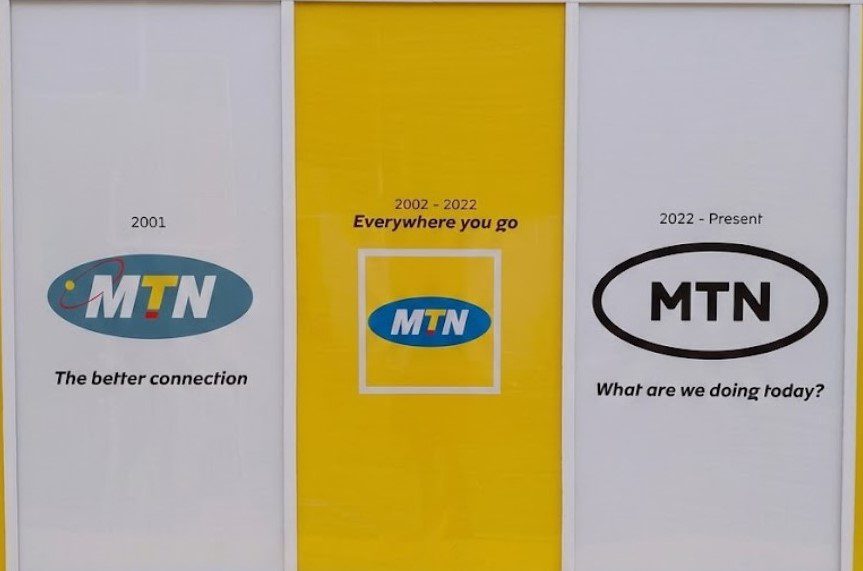
Then came the famous “Everywhere you go” all-yellow-background brand that saw the struggles and cemented the operator’s place in Nigerians’ hearts. The logo transformed the company for the next 20 years, as MTN moved from that entry point through competitions and tough roads in Nigeria.
The current slogan, “What are we doing today?” is a call to action that marks the company’s shift from a basic phone company into a digital and technology platform.
It tells how MTN wants to help Nigerians take action, build businesses, and use digital tools every day to make progress. All are key to its 2030 ambition of connectivity, fintech and digital infrastructure.
4. XtraCool: the lovers’ memories
If there’s something MTN Nigeria has done well is how it has created memories for Nigerians. The operator has found a way to move beyond calls and messages to being part of the Nigerian transition down the years.
The XtraCool (midnight calls), branded flash drives, modems, purses, bags, call centres, and their yellow umbrella paint memories. This makes the network provider more than a mobile network provider, but part of the journey Nigerians cannot forget.
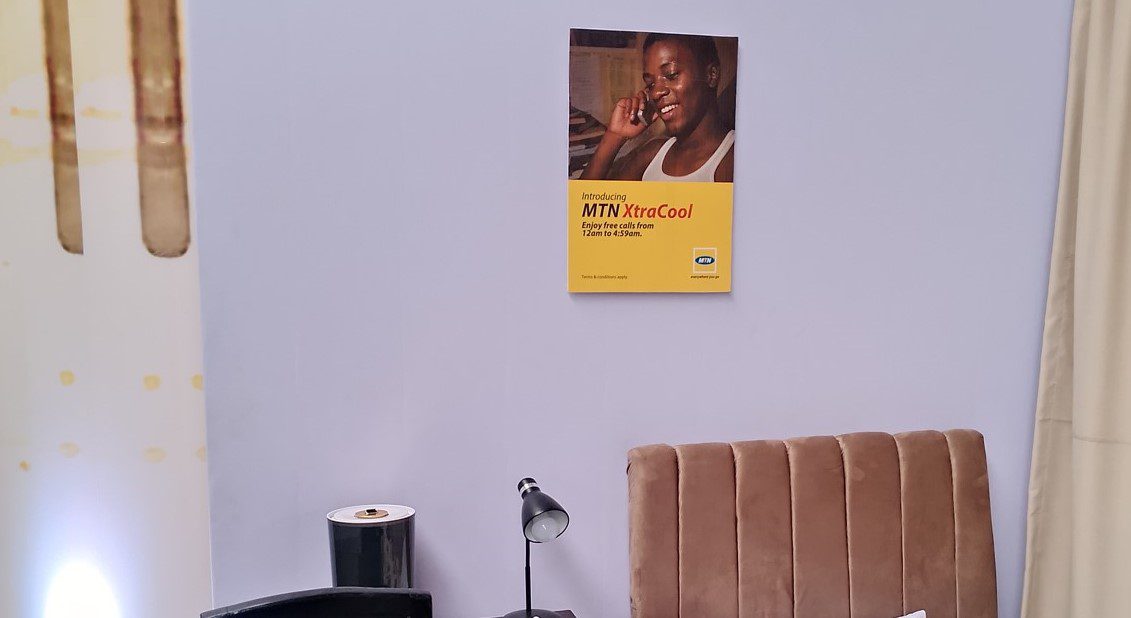
Indirectly, the operator has leveraged this to cement its place as the leading telecoms operator in Nigeria, with more than 92 million subscribers.
Also Read: At 25, MTN Nigeria says Y’ello Street represents Nigeria’s history.
5. The 2013 “I Don Port” saga
Aside from heralding one of the telecom industry’s biggest announcements (porting), the 2013 “I don port” advert was, for most, the most memorable Nigerian marketing campaign.
In the ad, comic actor Hafiz Oyetoro sang and danced while joyfully declaring, “I don port o! I don port to MTN!” Before the ad, Saka had appeared in marketing campaigns for Etisalat Nigeria (now T2mobile), a close rival at that time.
It not only increased MTN’s rating but also popularised the Mobile Number Portability (MNP), allowing users to switch telecom networks while keeping their phone numbers, which the NCC had struggled to make Nigerians understand.
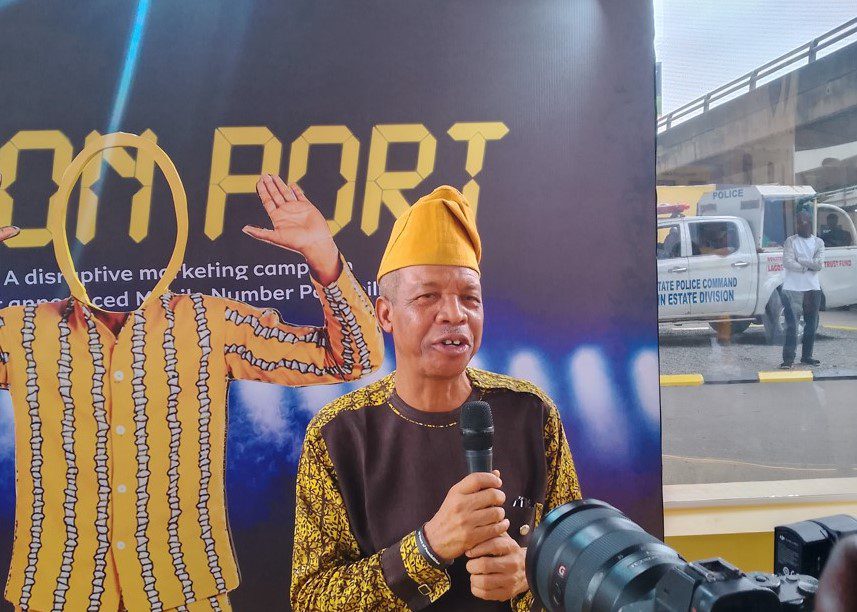
That clever coup by MTN Nigeria created intense media buzz, sparking a fierce, entertaining marketing rivalry across the industry and, most notably, seeing several Nigerians port from Etisalat to MTN Nigeria.
6. The ₦1.04 trillion ($5.2 billion) fine
A quick break from the good stories. Did you know that MTN Nigeria nearly packed its bags? This was more severe than the 2024 financial crisis, where it recorded a loss after tax of ₦400.44 billion.
In October 2015, the NCC slammed MTN with a record ₦1.04 trillion ($5.2 billion) fine for failing to disconnect 5.2 million unregistered SIM cards. The regulator had stressed that unregistered lines compromised national security amid operations by extremist groups.
The regulator charged ₦200,000 ($1,000) for each unregistered SIM card, scaling the total penalty to an unprecedented amount that doubled MTN’s annual profits.
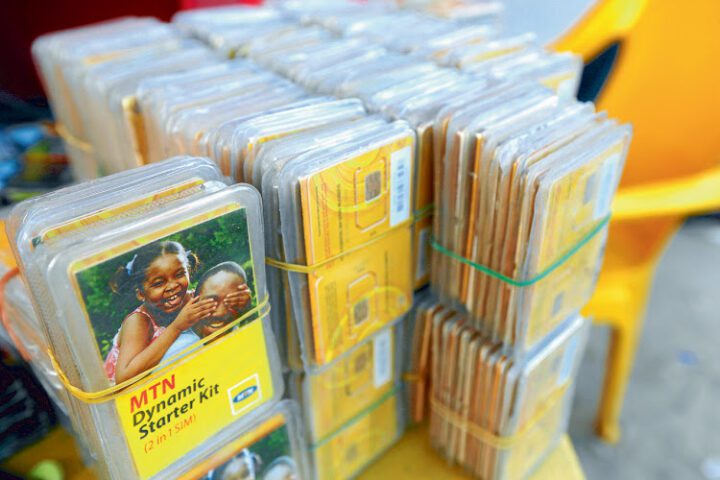
This crisis peaked within the company, which saw the MTN Group CEO, Sifiso Dabengwa, resign. Likewise, the group’s share trading on the Johannesburg Stock Exchange (JSE) was temporarily halted after the company’s stock dropped sharply.
Following intense negotiations, executive changes, and a stock plunge, the penalty was eventually reduced to a $1.67 billion settlement in 2016. The amount was made payable over three years, saving the telecom giant from a financial collapse.
7. Who Wants to Be a Millionaire & MTN Project Fame
Over the years, MTN Nigeria has sustained its market relevance using youth-oriented media branding and long-term cultural integration.
The operator transitioned from a standard telecom business into an active enabler of lifestyle, entertainment, and digital expression.
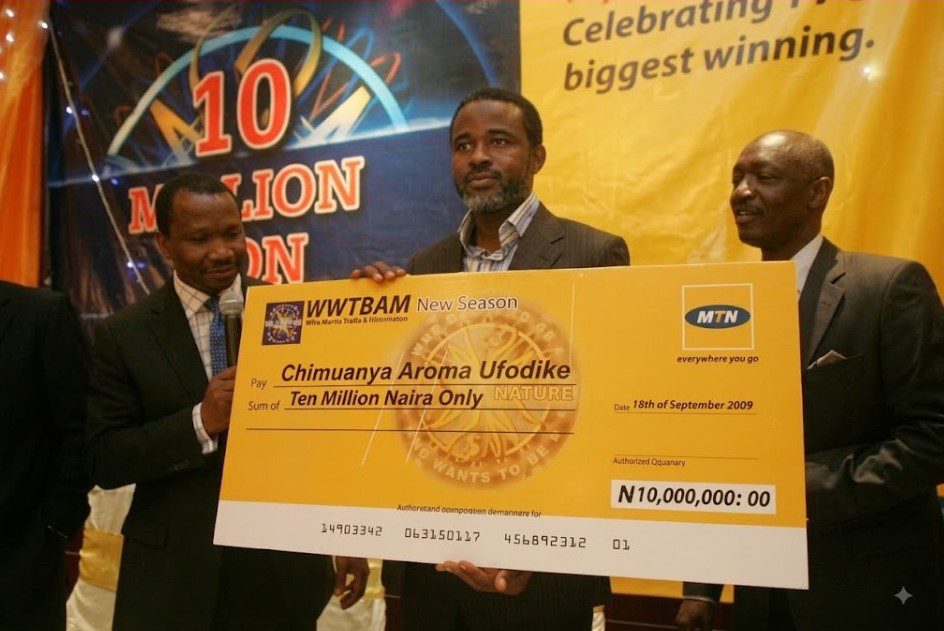
As part of the memories it created for Nigerians, the company ensures it consistently embeds itself into the daily social fabric of the country. The operator used the iconic quiz and music properties like “Who Wants to Be a Millionaire”, “Project Fame”, and “Y’ello Star” to bring families together.
Recently, through the Live It 100 campaign for creators and the MTN Media Innovation Programme (MIP) for Journalists and content creators, MTN has sustained this drive a lot more intentionally.
8. MoMo: The transition into fintech
Nigerians are rapid users of innovations, and MTN knew this. Whenever there’s a transition in initiatives, the operator always moves with it.
When Nigerians started shifting from traditional banking to digital payment, MTN moved along with it. It first created the Yello Digital Financial Services (YDFS), a digital wallet that helped millions of unbanked Nigerians access cash transfers and payments.
Later on, it brought in MoMo Payment Service Bank (MoMo PSB), a mobile financial service that allows users to send money, buy airtime, and pay bills. And now, MTN is transitioning these innovations to a standalone fintech business by leveraging its massive telecom network.
The company’s launch on the Nigerian Stock Exchange (NGX) in 2019 was another innovative move that promoted local ownership.
9. FibreX: The age of the fibre network
When MTN Nigeria rebranded its fibre broadband to FibreX in April 2025, it knew what it was doing. At this point, Nigerians were starting to demand a reliable and high-speed internet. MTN picked FibreX as the answer. The plan was to reach more homes, which would provide individuals and businesses with that type of internet access.
Fast forward a year, and that decision is leading with numbers. MTN FibreX has now grown from 11,794 subscribers in January 2025 to nearly 154,000 users in May 2026, according to industry data.
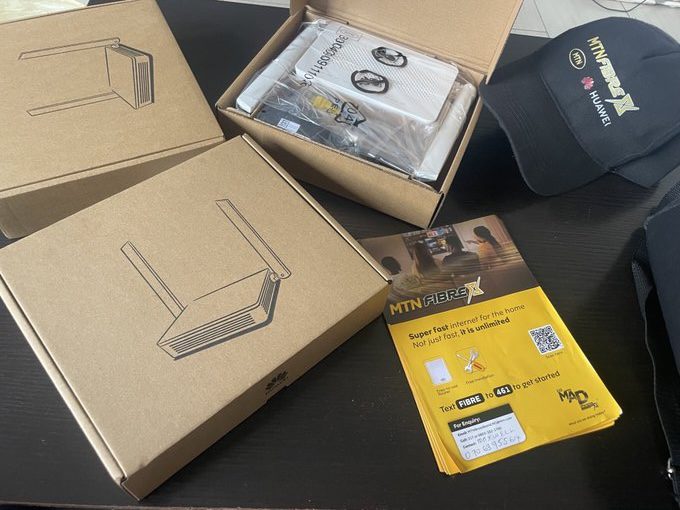
The numbers reflect a service that has gained massive ground within the fixed-wired market and how the initiative was decisive, coming at the right time. MTN Nigeria is now using fibre to complement its mobile network for a broader digital transformation.
Also Read: MTN Nigeria migrates FibreX short codes to 5-digit format in line with NCC directive.
10. Dabengwa: MTN as data service provider
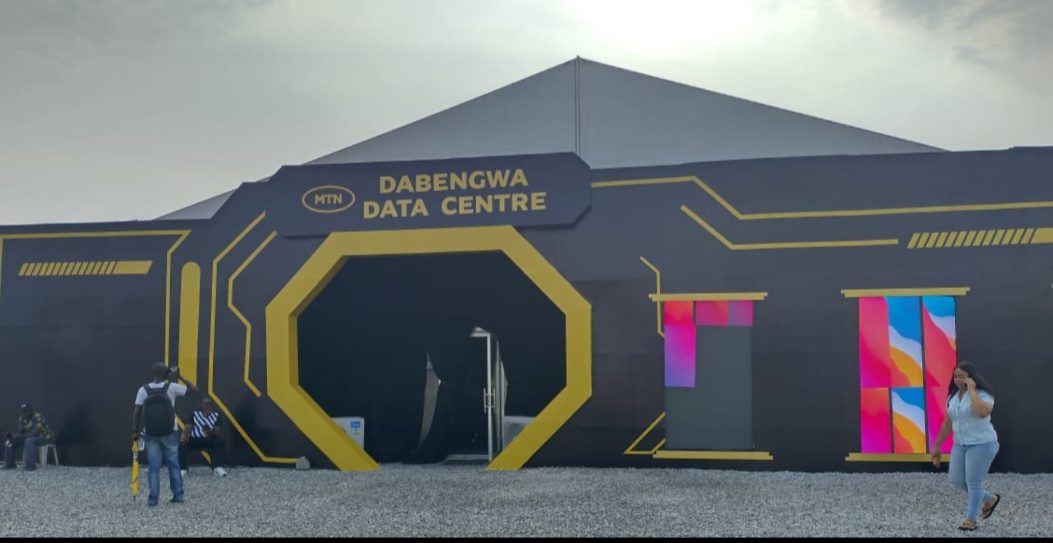
The $150 million facility, which sits in Ikeja, Lagos, is another of MTN Nigeria’s answers to technological advancements. The 9 megawatt (MW) data centre represents a major step forward in the company’s infrastructure strategy.
Representing both the present and future, MTN Nigeria is using the Dabengwa data centre to meet the increasing demands of Nigerians and innovators to foster growth. It’s expected to propel data usage, bring content closer to Nigerian users, and improve access speed.
With the potential to increase it to 14MW, the cloud system offers the same innovations as global hyperscale providers, thereby eliminating the need for Nigerian businesses to rely on foreign platforms.
The 25 years running show that MTN Nigeria has not only walked alongside the mobile call and transition with Nigeria, but also created moments that make it more than a network provider. It has shaped a brand that makes it inseparable from Nigeria’s history since the 2000s.
