




A Nigerian professional whose grandfather held an Italian passport can, with the right paperwork, become an EU citizen without ever living in Italy. A colleague without that bloodline faces years of residence, tax filings, and language exams. That gap between the fastest and slowest paths to a European passport is where most confusion sits and where most of the money in the migration-services industry gets made.
For over a decade, questionable schemes suggested the crimson passport was for sale. That era of the “Golden Passport” effectively ended after the European Court of Justice struck down Malta’s direct citizenship-by-investment scheme, ruling that national status cannot be commodified. Following earlier shutdowns in Cyprus and Bulgaria, Brussels made the message unmistakable: European Union citizenship cannot be bought off the shelf.
That era has ended, dismantling generic passport brokers and shifting the burden onto specialised legal practices like Consiliojus, which focus on forensic archival work rather than cheque-book shortcuts. For West African executives and diaspora professionals looking to reduce dependence on visa approvals and currency swings that upend travel plans, genuine routes to European nationality remain open. They require time, verifiable documentation, and strict adherence to statutory rules.
The legal frameworks that still work
The European Union does not grant citizenship; individual member states do, each applying its own nationality laws across five legitimate routes:
- Citizenship by descent (jus sanguinis): This remains the fastest legal route for those who qualify, yet statutory boundaries vary wildly. Countries like Poland recognise lineage dating back to 1918 without a formal generational ceiling, provided the paper trail remains unbroken. Conversely, countries such as Italy have progressively tightened requirements, restricting claims where generational links lack direct connection to ancestors born within modern borders.
- Repatriation procedures: Distinct from standard lineage claims, repatriation laws in states like Romania, Slovenia, and Lithuania allow descendants of former citizens who lost their status through historical border shifts or political upheaval to restore their nationality. Because repatriation is framed as correcting a historical displacement, applicants are usually exempt from long-term residency requirements, completing the procedure via cross-border ministry filings and a formal oath of allegiance.
- Naturalisation through sustained residence: The standard pathway for applicants without familial ties. Most member states, including Germany, France, and Spain, demand between five and ten years of uninterrupted, lawful residence. Applicants must substantiate fiscal compliance, domestic tax contributions, clean criminal records, and verifiable language proficiency.
- Family-based naturalisation: Marriage or civil partnership with an EU citizen compresses the residency window, though ministries subject these dossiers to heavy scrutiny to rule out marriages of convenience.
- Investment-linked residency: Often mislabelled as a passport route, residency-by-investment programmes in jurisdictions like Portugal now confer temporary residency permits, not citizenship. Real-estate pathways have largely been phased out, and investors remain bound by the standard, multi-year naturalisation requirements before nationality can even be considered.

The true obstacle in citizenship and repatriation claims is rarely legal theory; it is administrative friction. Decades of boundary changes across Central and Eastern Europe, phonetic surname alterations, and damaged parish books mean proving lineage requires forensic research. Furthermore, European migration ministries reject submissions over minor discrepancies in birth certificates or improperly authenticated civil extracts.
To bridge the gap between historical fact and administrative admissibility, migration specialists execute four core steps:
- Submitting legal requests to municipal, state, and church archives across multiple jurisdictions to locate missing birth, marriage, and military records.
- Rectifying civil registry discrepancies through local court petitions or administrative amendments before documents reach European consulates.
- Procuring Hague Apostilles and authenticating civil paperwork across non-signatory jurisdictions.
- Commissioning certified translations exclusively from court-appointed linguists registered with the target country’s judicial system.
The role of professional legal support like Consiliojus
Navigating this administrative maze is where firms like Consiliojus, which coordinates document preparation and repatriation filings across the EU – Slovenia, Romania, Bulgaria, Spain, Italy, Cyprus, Lithuania, Portugal, France, Germany, Hungary, the Netherlands, Belgium and Croatia – establish their utility. Because most international applicants live outside Europe, legal teams operate under a formal power of attorney. This authorises local counsel to requisition closed state records, submit dossiers directly to justice ministries, and handle official queries without requiring the applicant to make repeated international trips.
Professional assistance streamlines submission, but it remains procedural support. The ultimate authority to grant or deny nationality rests solely with the destination country’s government. No consultancy or legal firm can bypass sovereign discretion or guarantee an outcome. Before signing a retainer, applicants should apply strict due diligence:
- Bar Registration: Confirm that the lawyers handling the filing are actively registered with the relevant national bar association in the target jurisdiction.
- Contractual Transparency: Ensure the service agreement clearly itemises services, establishing whether archival fees, translation costs, and court appearances are covered in the core fee or billed as disbursements.
- Milestone-Based Payments: Reputable agreements tie fee instalments to tangible, verifiable phases, such as the completion of an archival search or the formal submission of a dossier, rather than arbitrary calendar dates.
- Realistic Timelines: Scrutinise quoted processing schedules against the official benchmarks published by the target country’s ministry of interior. Providers quoting uniform, accelerated timelines across diverse jurisdictions should be treated with scepticism.
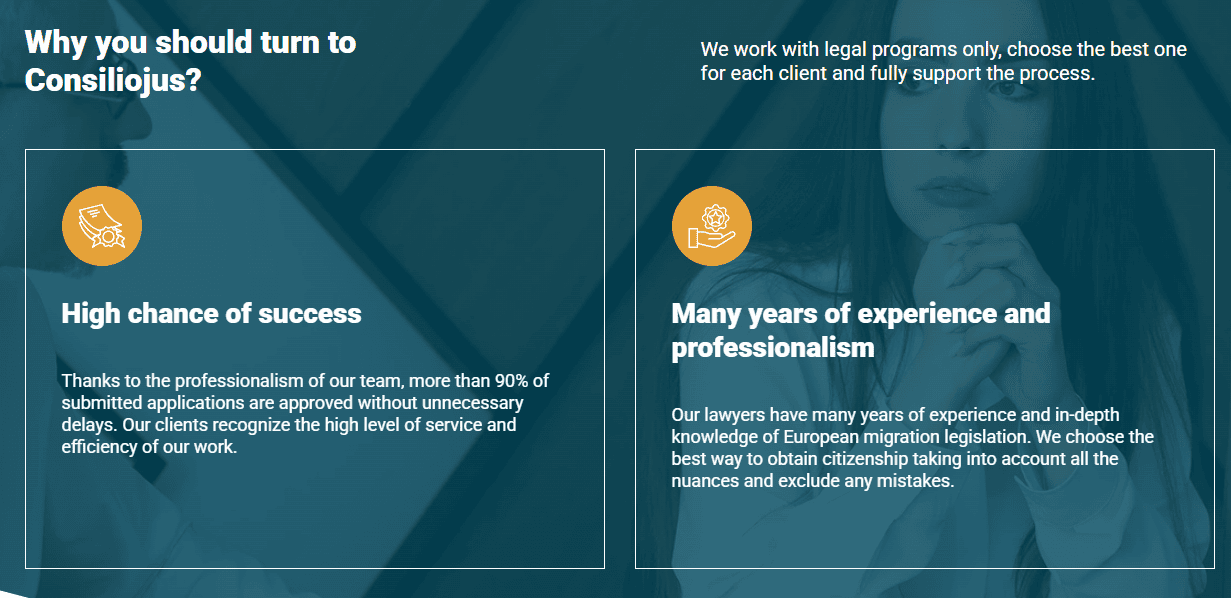
Public client feedback offers an additional filter. Prospective applicants often examine Consiliojus reviews to gauge how reliably case managers communicate and hit administrative milestones. Inspecting consiliojus.com reviews can reveal useful operational patterns, particularly how the firm navigates complex archival searches for repatriation dossiers or handles government processing delays. However, public sentiment should prompt deeper scrutiny rather than replace legal due diligence. Applicants evaluating Consiliojus.com must weigh client testimonials alongside verifiable bar credentials, clear fee structures, and their actual service contract.
Ultimately, obtaining EU citizenship remains achievable for those with qualifying ancestry, repatriation eligibility, or the patience for long-term residence. The real value of external counsel from practices like Consiliojus.com lies in meticulous document legalisation, transparent contracts, and persistent archival investigation. Applicants expecting instant results work from a false premise; those who ground their strategy in national law and capable counsel are far better positioned to secure their passport.
