



The Federal Government has announced plans to regulate internet access for children below 16, but has yet to explain what the proposed restrictions will look like, who will enforce them or when they will take effect.
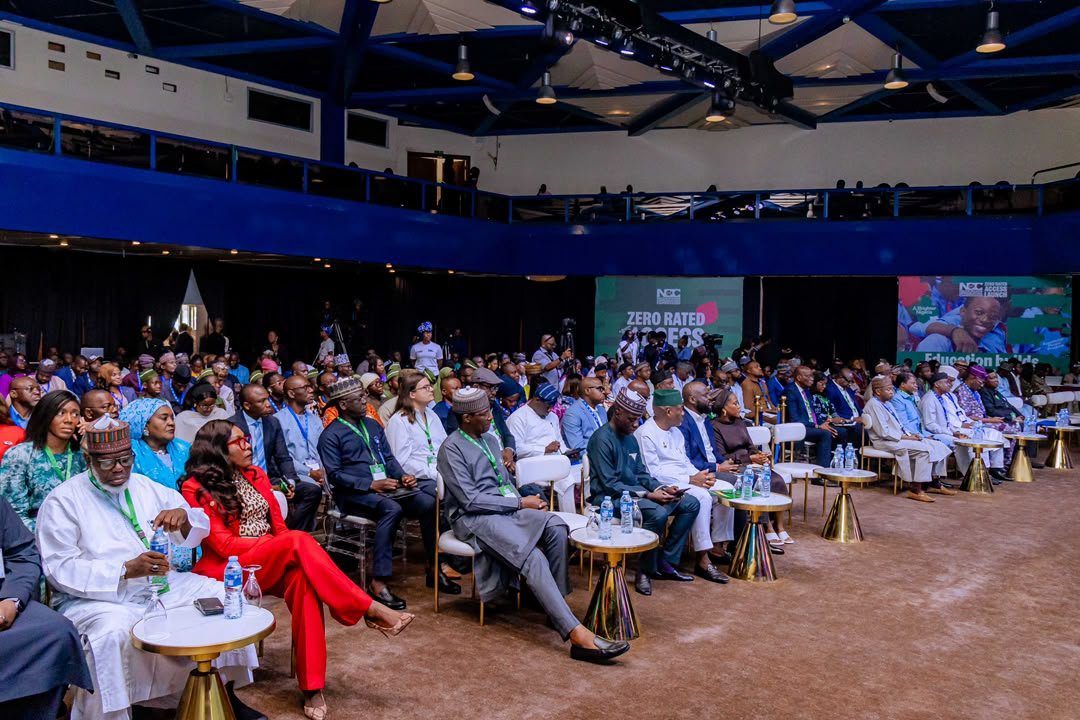
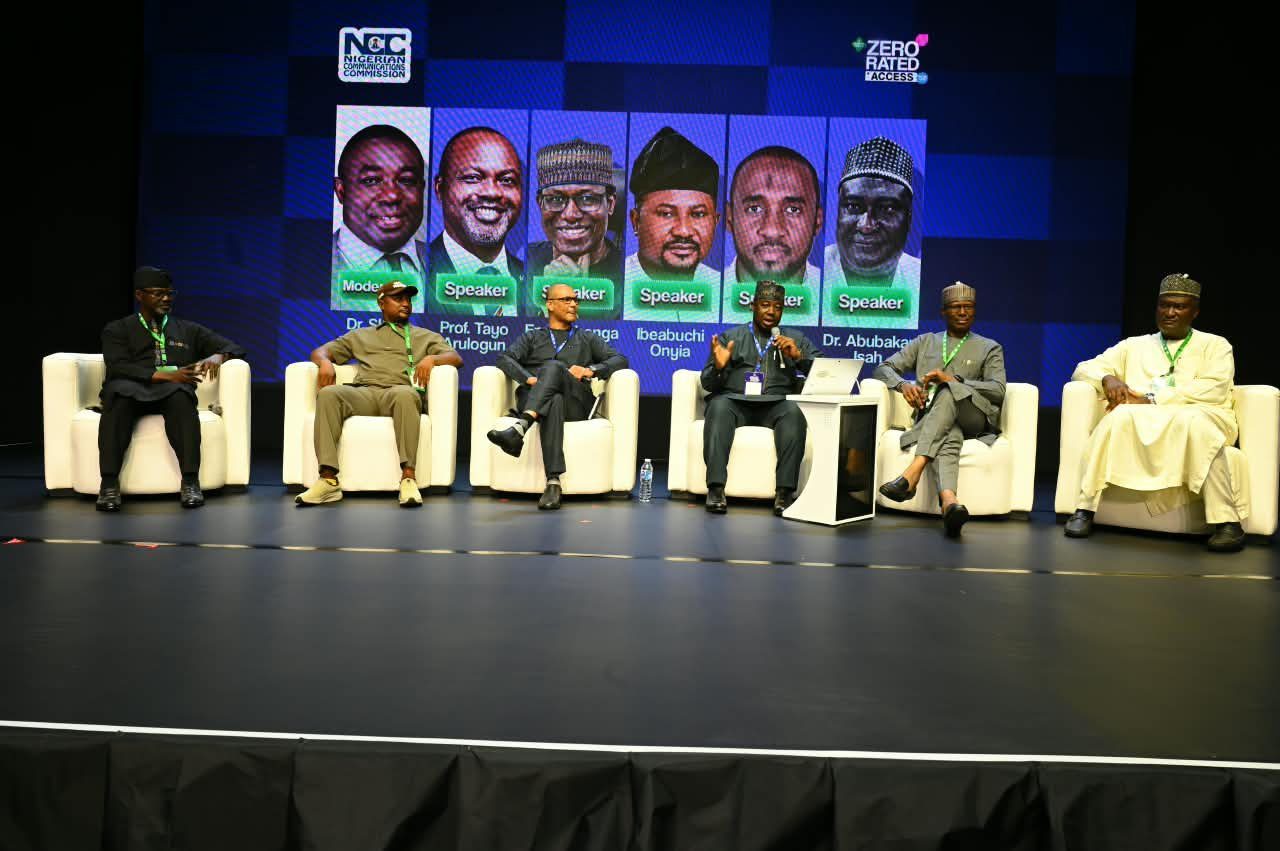
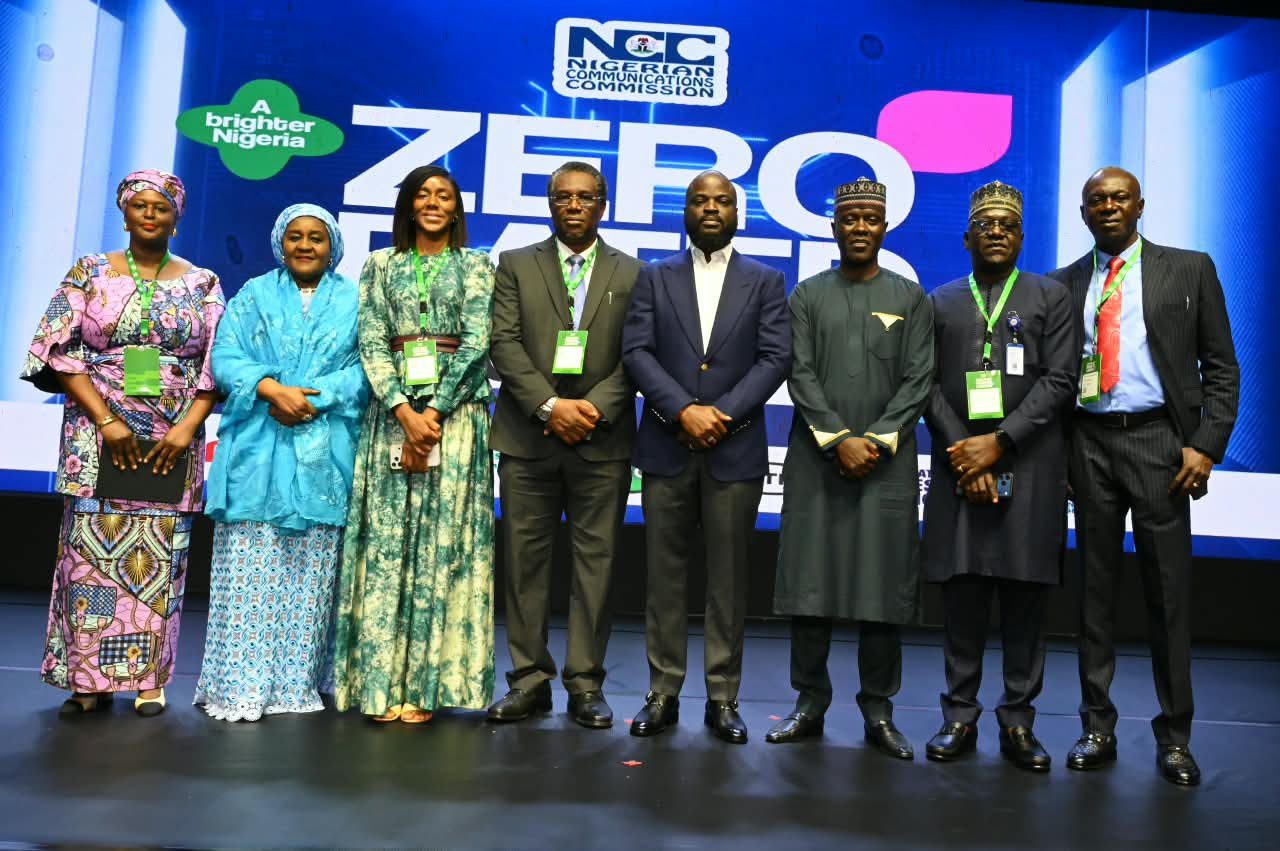
Minister of Education Dr Tunji Alausa disclosed the plan in Abuja while launching the Initiative for Zero-Rated Access to Educational Platforms and Content in Nigeria.
Alausa said the government would regulate internet access for children under 16 as part of efforts to protect them from cyberattacks and harmful digital exposure. He added that further announcements would come from the government’s security staff in the coming days or weeks.

The announcement comes as the government expands access to digital learning through a separate programme that will allow eligible students to access approved educational platforms without paying for the data used.
But unlike that initiative, the government has provided few details about the proposed under-16 internet rules, leaving several questions about how they could affect children, parents, schools, telecom operators and online platforms.
What the government actually announced
Alausa has not announced a specific internet ban or restriction for children below 16. Instead, he said the government would introduce regulated internet access for the age group and that further details would follow.
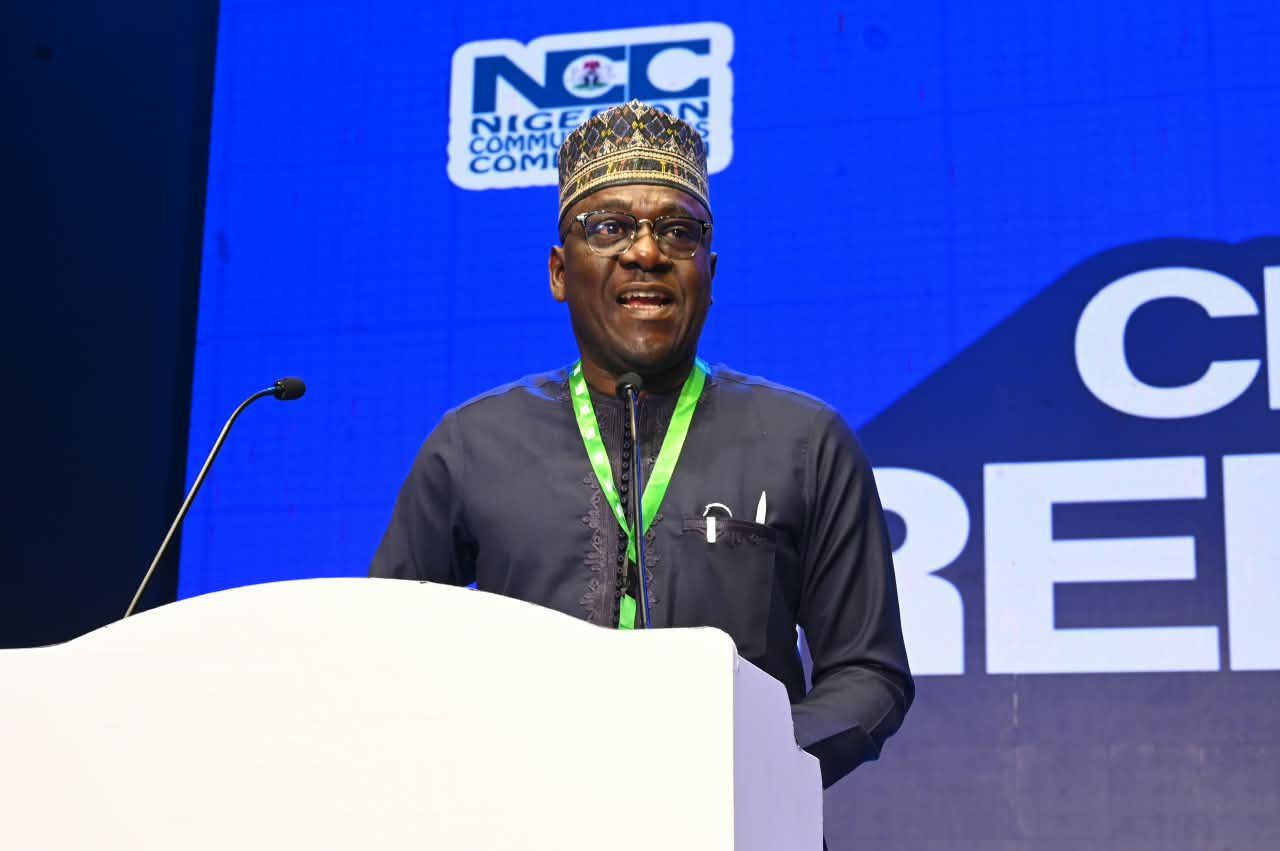
“We will be regulating internet access for children below 16 years old, and further announcements on this will be coming from our security staff in the coming days or weeks,” he said.
The minister presented the move as part of the government’s responsibility to protect children from cyberattacks and other forms of harmful digital exposure.
He also warned that expanding access to digital education must be accompanied by safeguards for young users.
Alausa said the government’s zero-rated education initiative should not result in unrestricted access to every website or platform that describes itself as educational. Content made available to children, he said, should be credible, safe and aligned with the country’s educational objectives.
For now, however, there is no published framework explaining what regulated internet access will mean in practice.
What remains unclear
The government has not said whether the proposed regulation will apply to internet access generally, specific websites and platforms, social media services, mobile data connections or some combination of these.
It has also not identified the agency responsible for implementing the proposed rules.
No mechanism has been announced to determine whether an internet user is under 16, nor has the government explained whether parents, schools, telecom operators, or technology companies would play any role in enforcement.
Read also: Nigeria partners Coursera to offer free AI training to 36,000 youths
The timeline is also unclear. Alausa said further announcements would come in the “coming days or weeks, but no specific implementation date was given. That means the announcement should currently be treated as a policy intention rather than an operational internet restriction.
Children’s data could become an important issue
Any system that attempts to establish a user’s age could raise data-protection questions, particularly if it requires children or their parents to provide personal information.
The Nigeria Data Protection Commission (NDPC) has previously highlighted age verification and children’s privacy as important issues in the country’s digital environment. Its 2024 annual report noted that inadequate age-verification mechanisms can expose children to age-restricted content, while children’s online activities can also generate detailed profiles that create privacy risks.
Nigeria’s data-protection framework also includes specific safeguards for processing minors’ personal data, including consent requirements.
However, the government has not said whether the NDPC is involved in developing the proposed internet-access framework. It would therefore be premature to assume that the commission will be responsible for implementing the policy.
Could Nigeria’s digital identity systems be involved?
Nigeria is also expanding the digital infrastructure used to identify learners and citizens, although there is currently no evidence that these systems will be used to enforce the proposed internet rules.
The Federal Government launched the nationwide Learner Identification Number (LIN) in April, giving learners a permanent educational identity and linking their records to schools and other education data. The first phase covered more than 1.9 million candidates who registered for the 2026 WAEC and NECO examinations.
Separately, the National Identity Management Commission says Nigerians, including children from birth, are eligible for a National Identification Number.
Read also: Generative AI in Nigerian education: Can technology bridge the country’s learning divide?
The government has not said either LIN or NIN will be used to determine who can access the internet under the proposed policy.
That distinction is important because linking education or national identity records to internet access would introduce additional privacy, security and governance questions that have not been addressed in the announcement.
What should parents and children watch for?
The next government announcement will be more significant than Thursday’s initial disclosure because it should clarify whether the plan is a restriction on particular types of content, a broader access-control system or something else.
It should also establish which government agency will oversee the policy, how age will be determined, what information users may be required to provide, how children’s data will be protected and when any new requirements will begin.
Until those details are released, Nigerian parents should not assume that children below 16 are about to lose general internet access.
What the government has announced is its intention to introduce regulated access. The rules themselves have not yet been published.
