





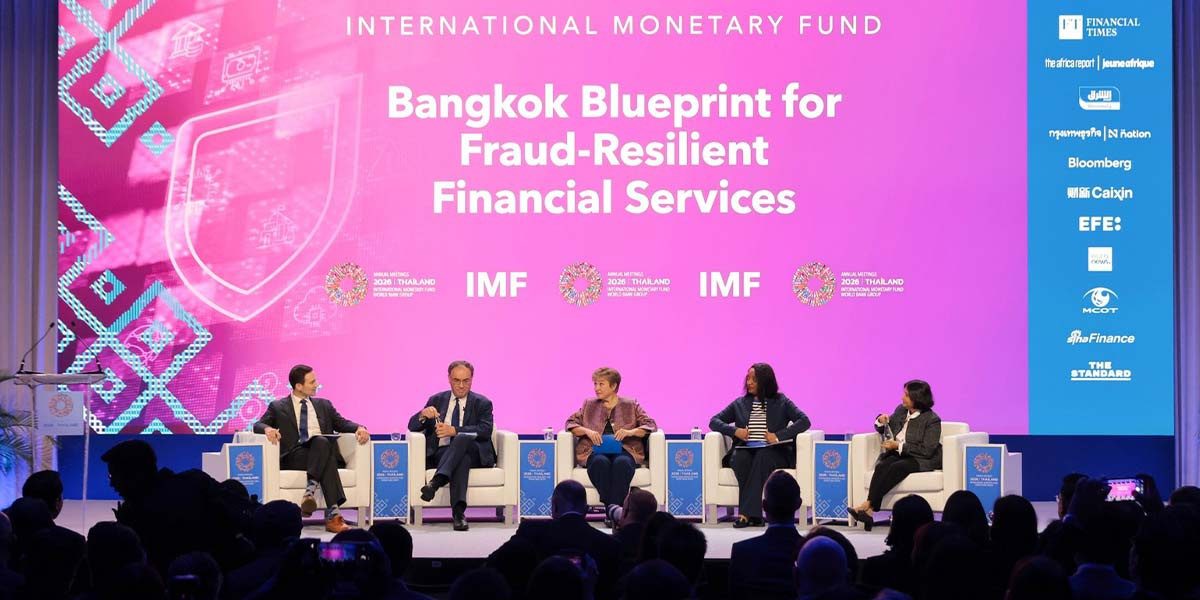
Nigeria has rules for fighting digital payment fraud, but the money lost to electronic fraud shows how difficult it remains to protect customers. The IMF and World Bank’s new Bangkok Blueprint offers a chance to examine what more banks, fintech companies and regulators need to do to keep people’s money safe.
In 2024, Nigerian financial institutions lost ₦52.26 billion to fraud, up from ₦17.67 billion in 2023, according to figures from the Nigeria Inter-Bank Settlement System (NIBSS). Although a 2026 policy brief reported that losses fell to ₦25.85 billion in 2025, the amount remains substantial.
The figures point to a challenge beyond the number of reported cases: preventing fraudsters from turning weaknesses in digital financial services into financial losses.
On October 14, 2026, the International Monetary Fund (IMF) and the World Bank, working with the Bank of Thailand, launched the Bangkok Blueprint to help countries prevent, detect and respond to cyber-enabled financial fraud. Its recommendations cover stronger legal frameworks, fraud detection, cooperation between institutions and countries, and consumer protection.

Nigeria already has safeguards, but fraud gaps remain
Nigeria is not starting from scratch. The Central Bank of Nigeria (CBN) established the Nigeria Electronic Fraud Forum (NeFF) to bring financial institutions and other stakeholders together to tackle electronic payment fraud. The country also uses identity verification measures, including the Bank Verification Number (BVN) and its integration with the National Identification Number (NIN).
These measures appear to be making a difference. However, a January 2026 policy brief from the National Institute for Legislative and Democratic Studies identified persistent problems with fraud reporting, enforcement, data sharing and consumer protection. It also highlighted phishing, SIM swaps, compromised accounts and insider collusion as continuing threats.
The problem is not simply that fraudsters keep finding new tricks. It is also whether banks, fintech companies and law enforcement agencies can share information and act quickly enough when money is stolen.
Similar read: Could AI end the world? Nigerian fintechs are more worried about fraud and bad data
What the Bangkok Blueprint could change
The Bangkok Blueprint provides a useful framework for addressing these weaknesses. Rather than treating fraud as the responsibility of individual banks, it calls for a coordinated response involving regulators, financial institutions, technology providers and law enforcement agencies. It also emphasises cooperation across national borders, recognising that digital fraud can involve criminals, victims and accounts in different countries.
For Nigeria, this means building on existing efforts instead of simply introducing another policy. Banks and fintech companies need effective ways to flag suspicious transfers, exchange intelligence and quickly alert one another when stolen funds move between accounts.
Consumer protection also needs attention. The CBN currently directs customers to complain to their financial institution first and allows them to escalate unresolved complaints to the regulator after two weeks.
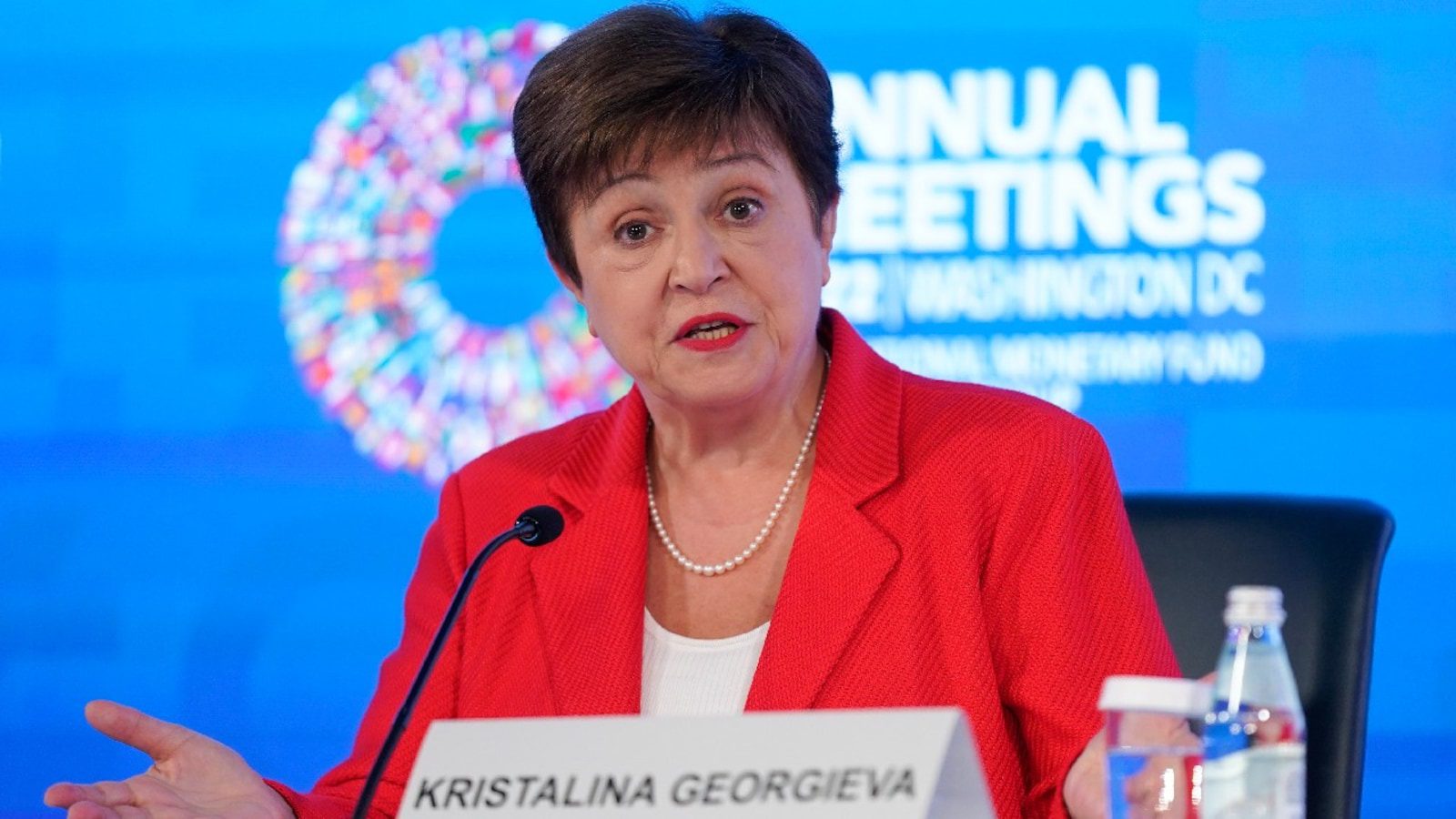
That process provides a route for seeking redress, but victims also need clear information about what happens after they report a scam, how quickly an investigation should proceed and whether they can recover their money. Faster action is particularly important when stolen funds can be transferred through several accounts before a victim realises what has happened.
The 2025 policy brief recommends clearer timelines for resolving complaints and reimbursing victims, as well as more defined responsibilities for banks, payment providers and customers. These are areas where Nigeria could strengthen its existing approach.
A blueprint is only as good as its execution
The decline in reported fraud losses in 2025 is encouraging, but it does not mean the problem has been solved. Nigeria still needs consistent reporting, stronger enforcement and better coordination between the institutions responsible for protecting digital transactions.
The Bangkok Blueprint does not automatically introduce new protections for Nigerian customers. Its value will depend on whether regulators and financial institutions turn its recommendations into practical changes.
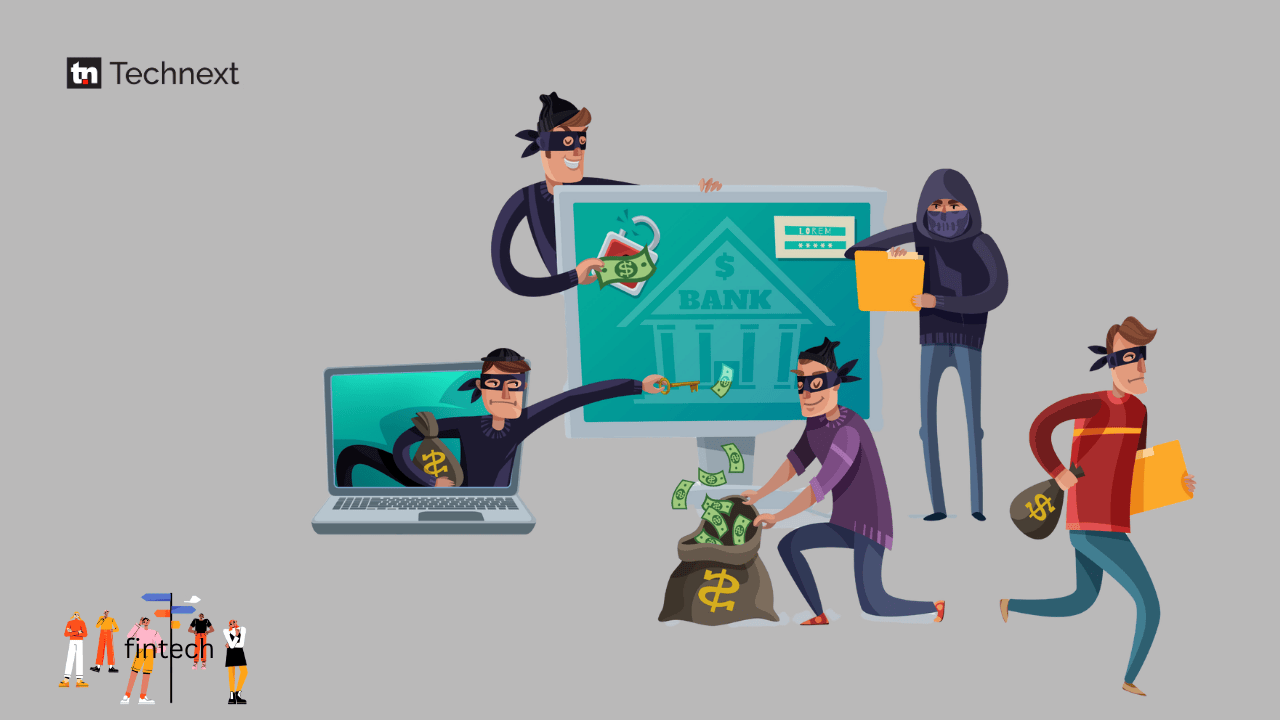
For people using bank apps, USSD services and fintech platforms, the real test is straightforward: can suspicious transactions be stopped sooner, can stolen money be traced faster, and can victims get a clear answer when they report fraud?
Until those improvements become routine, the growth of digital payments will continue to depend on something every financial service needs but cannot guarantee through technology alone: trust.
Read as well: Police trace alleged ₦3.6bn crypto fraud proceeds to USDT through Bybit P2P, fintechs
