

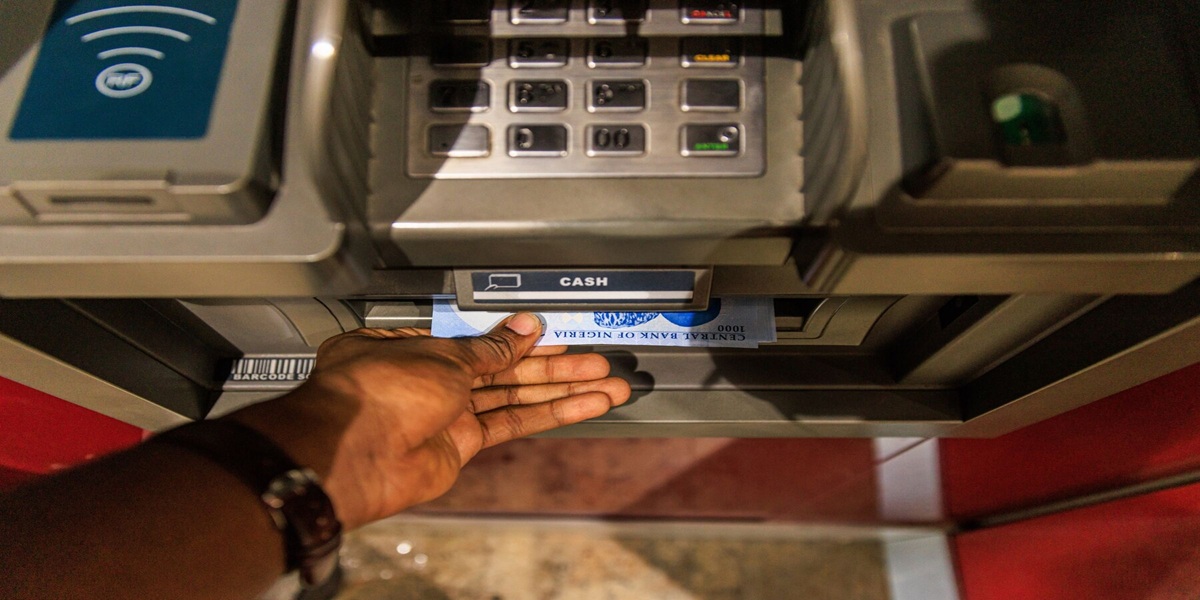


GSMA data shows that 140 million Nigerians are still offline. This isn’t because they are outside internet coverage, but because smartphones are unaffordable.
Entry-level, internet-enabled devices now cost 44% of average monthly income, rising to 76% for the poorest 20% in Sub-Saharan Africa. With entry-level smartphones increasing from a $100 cap to $150 to $200, affordability faces a more serious threat.
The gap goes beyond Nigeria. In fact, the top 20 countries accounting for 68% of the global usage gap include India (710 million), China (200 million), Ethiopia (100 million), the Democratic Republic of Congo (60 million), Egypt (60 million), and Tanzania (50 million).
Also Read: Can you access AI without the internet? All that you need to know about ‘offline AI’.
The cost of mobile data is another factor. Despite the International Telecommunication Union (ITU) affordability threshold that 1 GB of mobile data should cost no more than 2% of an average monthly income, Sub-Saharan Africa still far exceeds this baseline overall. For the bottom 40% of income earners in Sub-Saharan Africa, the cost of 1 GB of data surges to 5% of monthly income, with 4 GB costing a significant portion of income.
Amid these realities, emerging technologies such as AI are gaining increased penetration, with many still left behind amid everyday barriers.
Even for users who can still afford mobile data, what happens to internet accessibility when they run out of data and are out of money to buy more? Another is how poor network quality impedes access to AI tools and platforms.
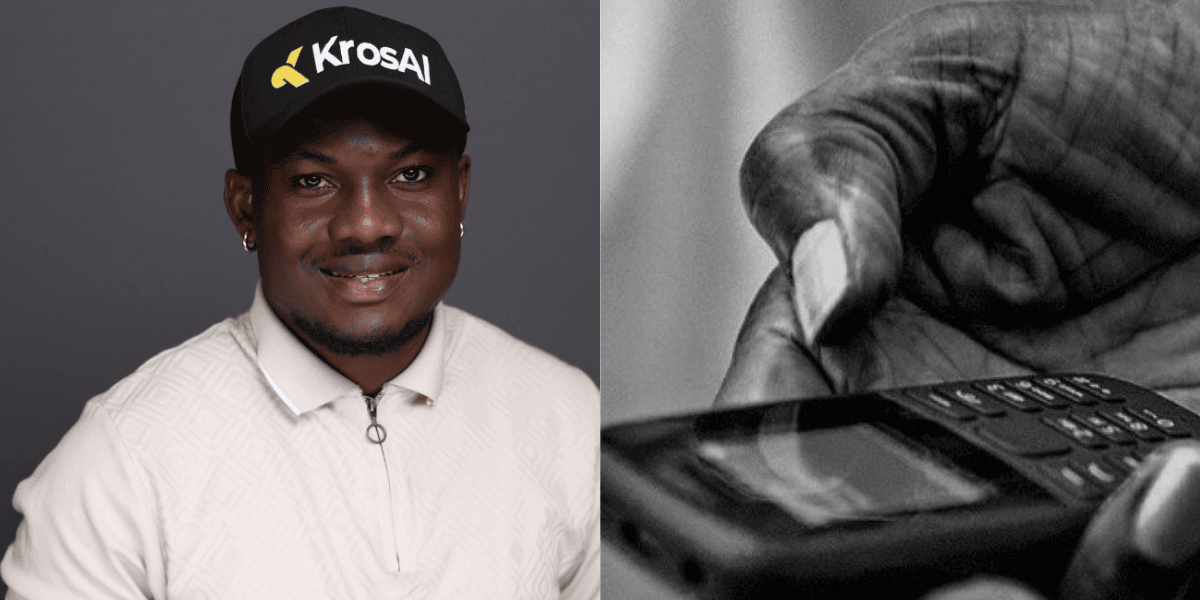
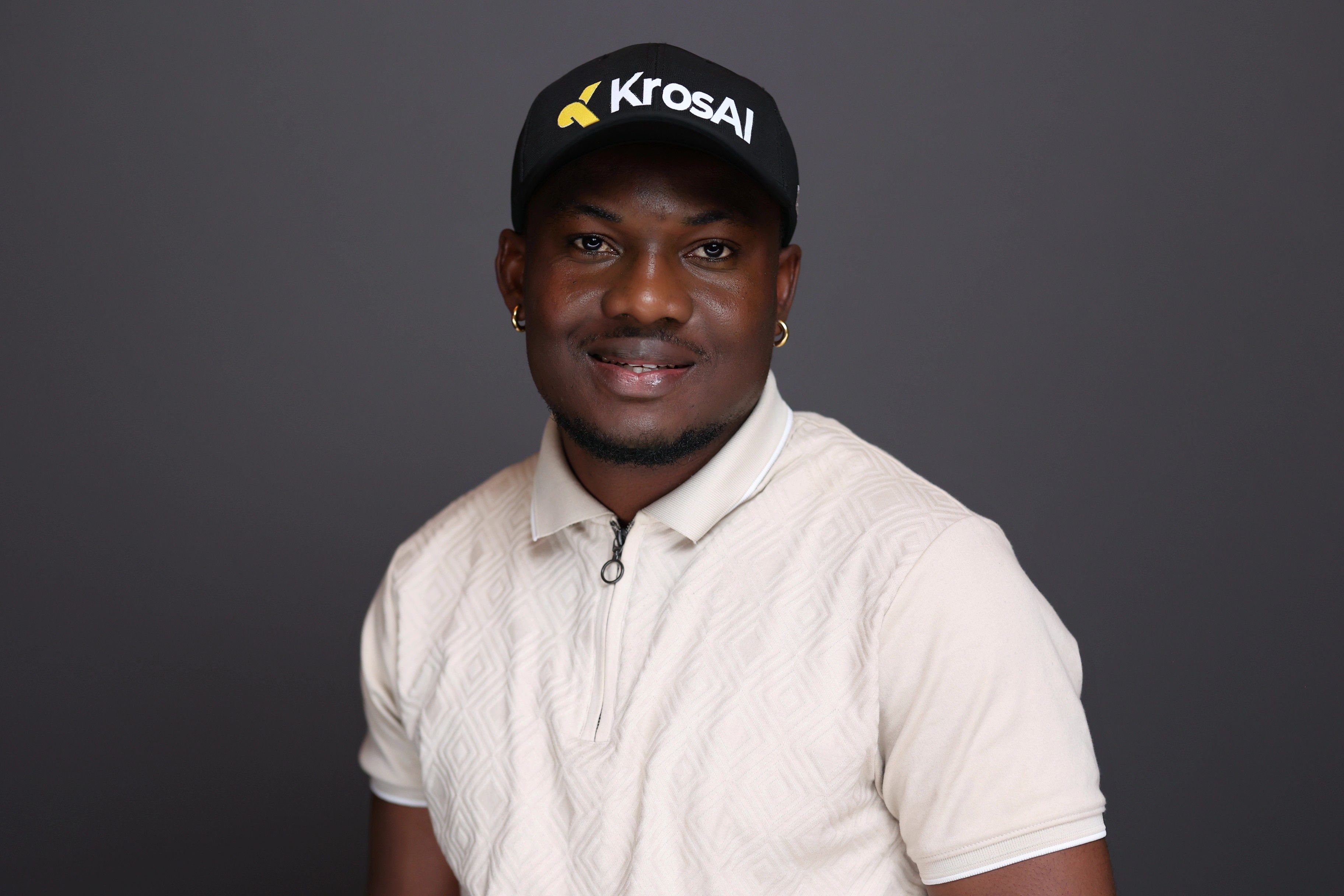
KrosAI, a Nigerian-founded telecoms infrastructure startup, is exploring the voice call route to bridge these gaps, ensuring that people can speak directly to AI through their phones.
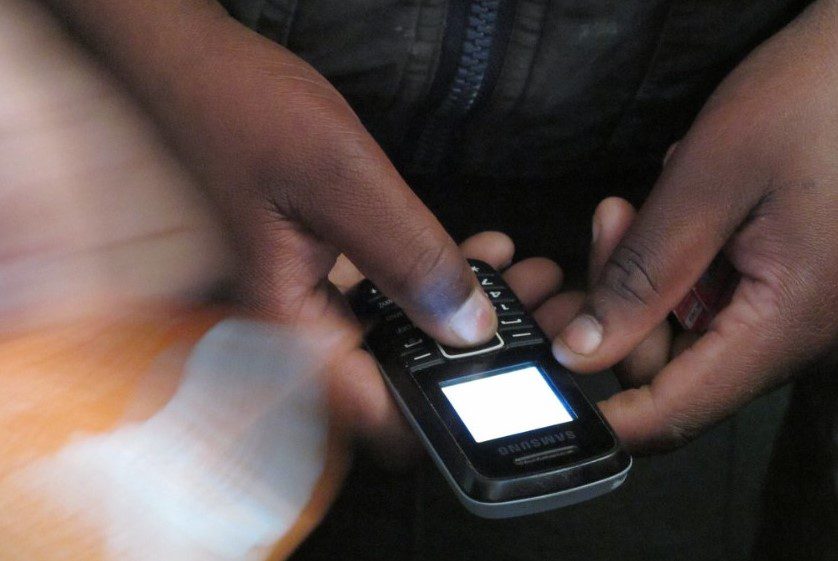
Connecting a conversational AI to regular phone calls bridges these gaps. If an AI agent can answer an incoming call over traditional mobile networks, it instantly makes advanced intelligence accessible to anyone with a basic feature phone.
Speaking with Technext, Joshua Firma, KrosAI founder, said that the solution is “the same way financial technology products reach billions of people through mobile phones; it’s the same way, I believe, AI and voice AI will reach lots of people.”
The telecom integration bottleneck
While building custom AI voice agents has grown faster and become more common, putting those agents into the hands of users is still a challenge. Beyond KrosAI’s voice AI algorithms lies the layer of telecom integration, identity verification (KYC), carrier negotiations, and local regulatory compliance.
After building a functional voice agent, the startup ran into unexpected paralysis from the telecom pipelines.
“What we were not prepared for was the gruelling work that follows… It took us roughly four months to get a local telco partner to give us a number after going through KYC, and then another month to duct tape the phone numbers to the AI agent platform.”
This friction stems from the strict nature of the telecoms industry and how providing voice agents with phone numbers is still an emerging phenomenon. Network providers operate under regulations set by communications regulators like Nigeria’s NCC and South Africa’s ICASA.
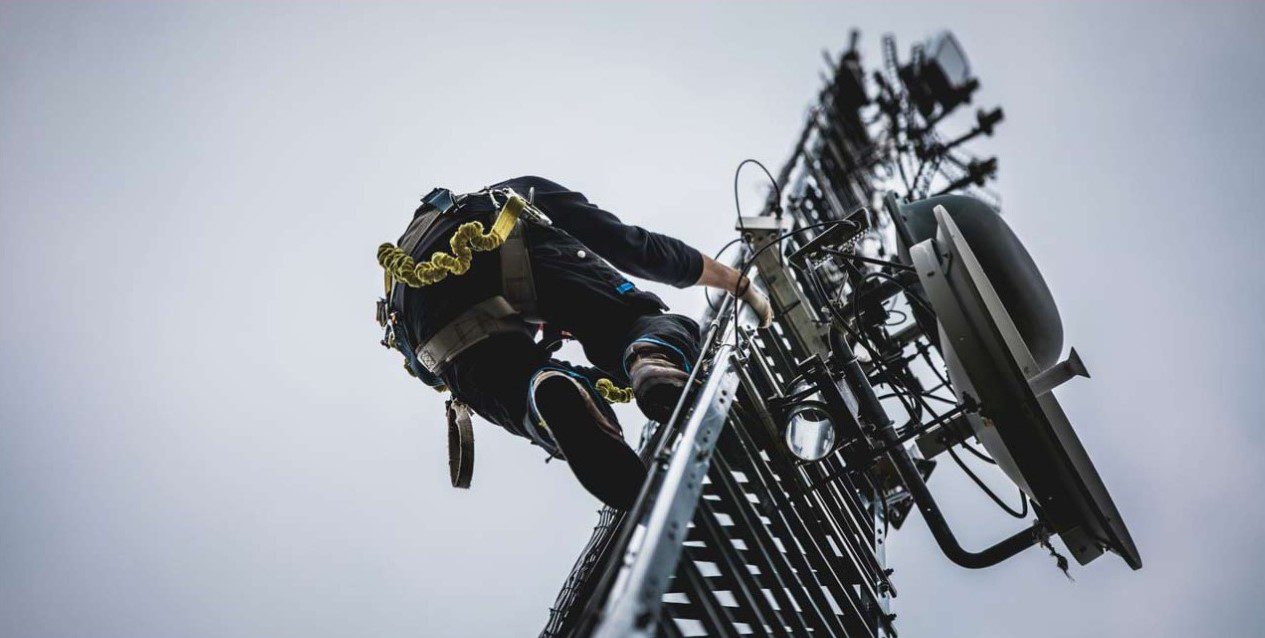
To solve this distribution bottleneck, KrosAI serves as the infrastructure layer between AI developers and telecom operators. Instead of requiring every startup to spend half a year negotiating carrier agreements, KrosAI compresses the entire timeline from months to under 30 minutes.
“We are more like the domain name service for voice AI agents… or the Stripe for voice AI deployment, because we have done all the regulatory work behind the scenes,” Firma noted.
Navigating telecom rules across borders requires deep local engineering. For instance, when expanding to Rwanda, Joshua Firma said regulatory mandates stipulated that call traffic could not simply terminate on international cloud servers, which required physical telephony switches to be installed inside national borders before production lines could open.
Also Read: Inside the $15 million Imo Digital City assembling 1,000 smartphones daily.
How voice AI on feature phones can benefit Africans daily
When voice AI is attached to a standard phone number, it becomes more accessible beyond smartphone costs, data affordability, and internet-speed barriers.
Voice agents give users in remote or underserved communities a direct 24/7 hotline to report local emergencies, such as flooding, fire outbreaks, or civil disturbances, without requiring internet access.
Firma noted that several startups, cybersecurity companies, NGOs and organisations such as AethexAI, ScamAI, BimpeAI, Ushahidi, and Clean Cooking Alliance are already onboarded on the platform to serve their users and communities better.
“Working with international NGOs like the Clean Cooking Alliance, automated voice agents run phone-based community surveys and collect vital feedback from households in regions off the digital grid.”
Ushahidi is also a Kenyan social enterprise that deploys agents to help people in indigent communities report emergencies like fraud, floods, and fire. And these disasters don’t wait till it’s morning to happen.
In the same light, universities and financial institutions deploy phone numbers that allow prospective students or bank customers to dial in anytime to verify information, protect against scams, or resolve inquiries.
“We think the average person should be able to access AI technology via the same channel that they currently use to perform basic phone calls,” Firma said and predicted a rapid evolution of phone-based AI agent startups.
Since launching in 2026, KrosAI has scaled to over 70 paying enterprise clients, processing hundreds of thousands of call minutes across markets including Nigeria, Ghana, Kenya, South Africa, Brazil, the UK, and the US, with upcoming footprints in Rwanda, Malawi, and the UAE.
In early November 2026, KrosAI raised $135,000 to expand its telecoms infrastructure for AI voice agents across emerging markets. The funding includes $60,000 from INSEAD’s AI Venture Lab and other undisclosed partners.
