



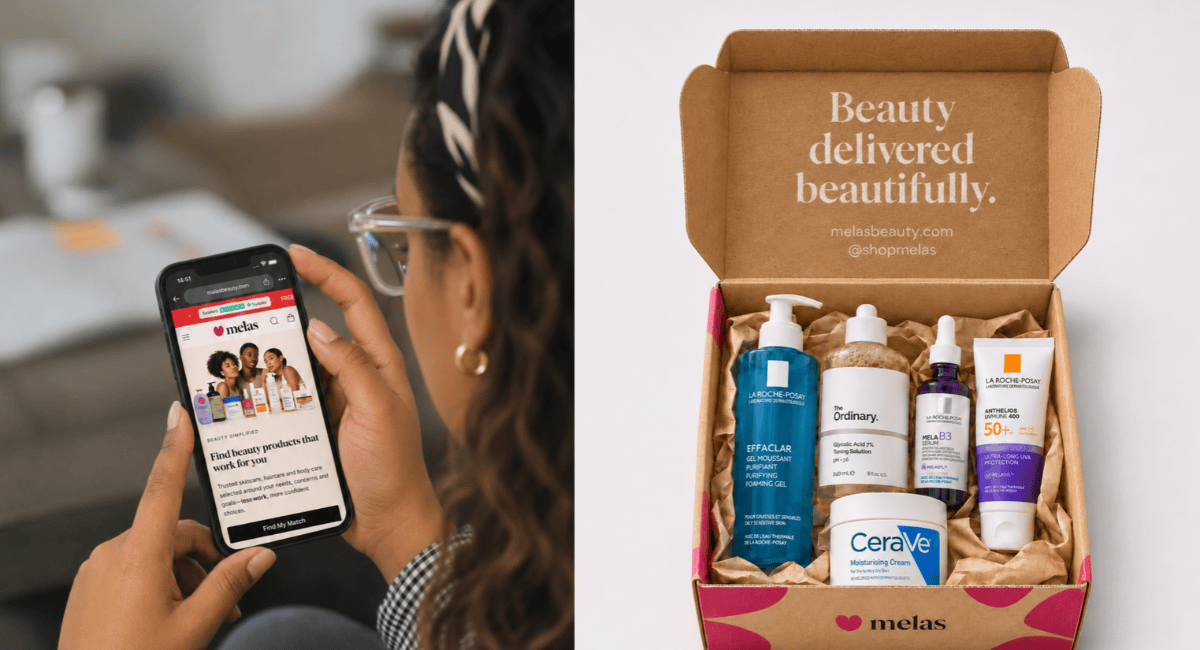
Starting in the UK, Melas Beauty is a beauty products retailer addressing a common issue faced by Africans abroad: getting their favourite beauty products.
Take Daniel, who relocates from Lagos to London for work, or Adel, who heads to Berlin from Nairobi for studies. Among their essentials, they pack trusted skincare products. At first, their daily routines remain intact. But soon, a favourite product runs low. Replacing it means wading through unfamiliar websites, dealing with international shipping costs, or hoping a friend visiting from home will bring a replacement. Ordering several items might justify shipping expenses but also increases upfront costs. And there’s an additional concern when buying from a new seller: whether what arrives would match what they expected.
Daniel and Adel illustrate a point relevant to Melas Beauty’s main focus: the challenge of purchasing beauty products by immigrants in the diaspora. Ola Adeloye founded the UK beauty retailer to bridge African beauty brands with international customers. It all starts with UK shoppers having access to a curated selection. The core idea is that when people move to a new country, their product preferences often remain unchanged. Purchasing beauty products becomes an ongoing need. Body lotions, cleansers, and hair products are used regularly, creating consistent demand. Yet when familiar brands are hard to find locally, each refill or replacement can mean starting the search again.

Shipping internationally can quickly become costly. Heavy bottles and jars increase expenses, and VAT, applicable customs duties, and courier fees can raise the final price even more. A product that’s easy to find locally might be tough to source regularly abroad. This forces customers to evaluate unknown sellers and figure out who offers support if an order arrives damaged or incorrect. Trying a new brand is tricky when information on ingredients and usage is limited, which further complicates decisions. If issues arise, returning items across borders adds extra costs and hassle.
In Great Britain, imported goods may incur VAT, and customs duty could apply to items valued over £135, based on the product and its origin. When delivery companies collect import VAT, they may include postage, packaging, insurance, and any duty in their calculations. So the price shown on a product page might not reflect the total cost.
A local retailer handles more of the purchasing process, ensuring availability, delivery, and customer support are reliable so replacing a preferred product feels routine. Melas sees potential in this; with millions of consumers, there is room to improve the beauty experience.
These communities represent a large opportunity.
According to the 2021 Census, 2.4 million people in England and Wales identify as Black ethnic groups. This includes about 1.49 million Black African individuals and 623,000 Black Caribbean individuals. 763,000 people were identified as either mixed White and Black African or mixed White and Black Caribbean. These numbers reflect diverse communities spanning generations, national backgrounds, and connections to their ancestral countries.
A 2019 European Parliament resolution estimated that around 15 million people of African descent live across Europe. This older figure gives a general sense of the diaspora’s size, though it uses different definitions than UK census categories.
Retail data provides further insight. The British Beauty Council highlighted in the Black Pound Report 2022 that nearly 40% of Black female shoppers struggled to find suitable cosmetics and skincare products. This report valued the annual health and beauty spending by the broader multi-ethnic UK consumer group, including Black, Asian, and other multi-ethnic consumers, at £2.7 billion.
These findings indicate a market where significant spending happens despite difficulties in finding appropriate products. For a specialist retailer, pinpointing exactly where customers face these challenges can inform decisions on product selection, presentation, and investment strategies.
Building the connection through the products
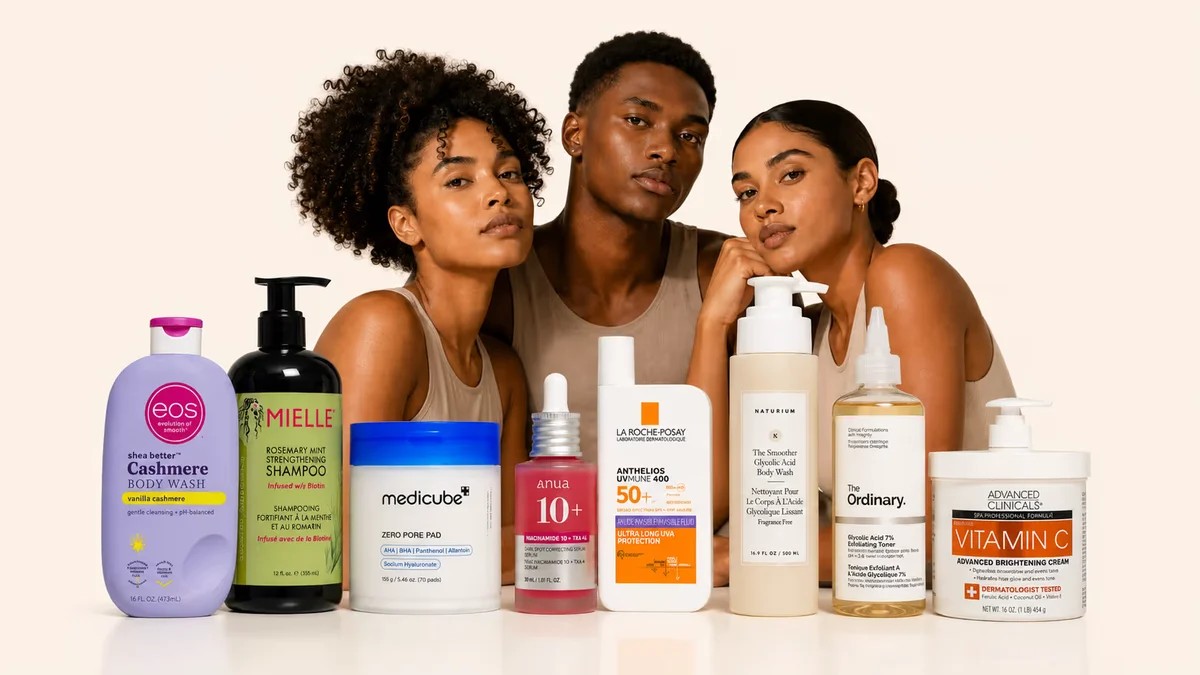
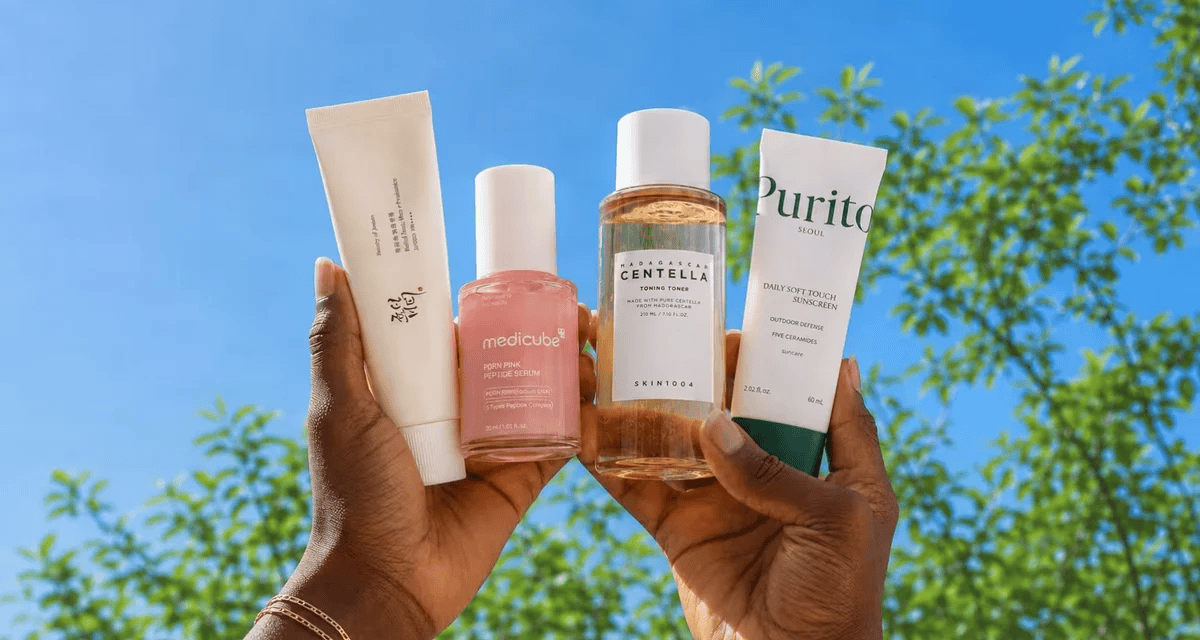
Melas’s current range provides a starting point. Its brand directory includes Skin by Zaron and Dudu Osun, along with Korean brands like Beauty of Joseon, Purito, ANUA, Good Molecules, COSRX, and Medicube, as well as global brands like CeraVe, Olay and La Roche-Posay. Haircare names include African Pride, Aunt Jackie’s, Cantu and Mielle. Melas aims to expand its African skincare range to over 40 by the end of 2027.
That mix reflects the way a routine can develop. A customer might remain loyal to a Nigerian body-care product while trying a Korean sunscreen or buying a pharmacy cleanser. Cultural familiarity can influence one purchase, while price, texture or a recommendation determines another.
For Melas, serving the diaspora means making room for those combinations. It also means helping African beauty brands reach customers who are encountering them for the first time.
Ola’s own search for products suited to his skin concerns helped shape the business. Melas describes its founding challenge as understanding what products did, how they fit into a routine and whether they were suitable. Today, its selection considers concerns including hyperpigmentation, visible white cast, textured hair, protective styles and dark body marks.
The practical proposition is to bring product access and useful information into the same purchase. A returning customer should be able to find a familiar item quickly. Someone discovering the brand should have enough context to decide whether to try it.
Melas currently offers UK delivery, with orders usually dispatched within 24 to 48 working hours, according to its published shipping policy. That gives its UK customers a domestic ordering route for products in its range.
Why the opportunity matters for African brands
For a beauty brand, being known abroad and being readily available abroad are different stages of growth. A customer may already recognise a product through family, travel or social media. Turning that recognition into repeat sales requires reliable availability, clear information, delivery and support. Each is a business function that has to work after the initial interest fades.
A retailer such as Melas can contribute by presenting products to an audience it understands and learning from what happens next. Which products receive questions? Which sizes sell? What do customers purchase together? Which products do they return to buy again?
Those answers can inform future buying decisions and give suppliers a clearer view of demand. They can also help a retailer introduce a lesser-known brand alongside products customers already recognise.
The potential extends beyond serving people who grew up with a particular product. Diaspora customers can provide an initial audience, while broader discovery creates room for the brand to reach other shoppers. Making a product easy to understand and easy to order supports both.
A growing market, an underserved community
The wider market gives this opportunity scale. McKinsey projects that the global beauty industry’s core categories, skincare, haircare, colour cosmetics and fragrance, will reach $590 billion by 2030, with annual growth of approximately 5%.
Closer to Melas’s initial market, Mordor Intelligence estimates that UK skincare sales will rise from $4.84 billion in 2026 to $6.27 billion by 2031, representing a projected annual growth of approximately 5.3%. These are forecasts for the overall skincare category, within which Melas is pursuing a particular customer opportunity.
The commercial logic for Melas depends on repeat custom. Someone who first visits to replace a familiar lotion may later buy a cleanser, discover a haircare brand or order products for another member of the household.
Each return visit allows the business to earn a larger share of that customer’s routine. Consistent stock, a clear delivered price and dependable service will determine whether it does.
What comes next for Melas Beauty
The proposed next phase is to expand Melas’s selection of African beauty and skincare brands while strengthening the relationships that support consistent supply.
That would mean identifying brands with relevant products, assessing customer demand, and building ranges that shoppers can return to over time. Customer requests and purchasing patterns would help guide which products receive further investment.
Product education would develop alongside the range. Clearer routine guidance, comparisons and content featuring different skin tones, hair textures and preferences could help customers make more informed choices. Creator collaborations and customer feedback would bring practical experience into that work.
There is also a longer-term opportunity to serve diaspora communities elsewhere in Europe. Establishing that presence would require delivery arrangements, local requirements and customer support suited to each market. Building a dependable UK business provides the foundation for considering those next steps.
For Melas, the ambition begins with the moment a bottle runs low. A customer should be able to replace it without planning around an international shipment or someone else’s flight home. Making that purchase easier is a concrete starting point for a larger business: helping African beauty brands stay part of their customers’ lives, no matter where life takes them.
