





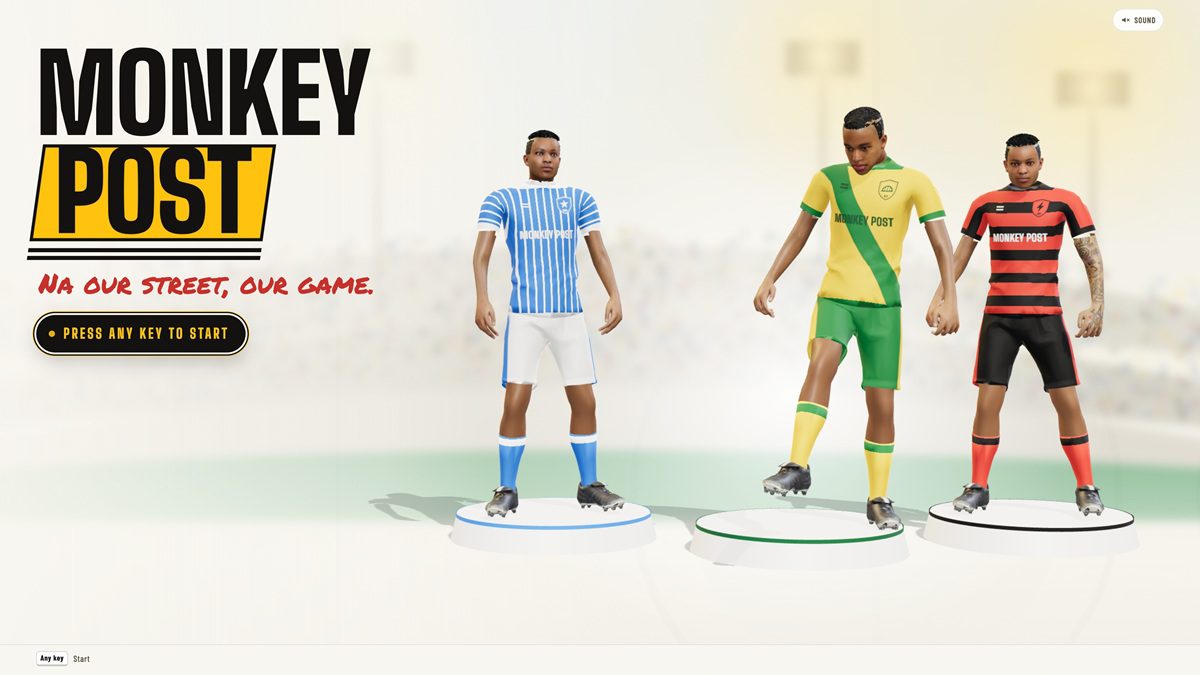
Monkey Post is a captivating browser game that revives the street football experience that many Nigerian kids cherished in their youth.
In this game, there are no referees, no elaborate pitches, and sometimes not even a proper ball to play with. Instead, players would use slippers or stones to create small goalposts, and the game came alive with dribbles, passes, and friendly debates about whether the ball actually crossed the line.
Dr. Yerins Abraham, a medical doctor turned software engineer, is the creative mind behind Monkey Post. He aimed to capture the essence of a familiar game that resonated with so many.
“Monkey Post is the street football almost every Nigerian kid played: tiny goals made from stones or slippers, five-a-side, and one ‘last man’ who can’t score from his own half,” he shares in his interview with Technext. His passion for authenticity drove him to create a game that feels like home.
With over 17,700 players enjoying it on their phones and laptops, Monkey Post stands out due to its simplicity. There’s no need to download a complicated app; you simply click a link, grab the virtual ball, and dive into the action. Abraham explains his motivation further: “I’d been thinking about it for a while because I’d never seen a game that felt like our street.”
This game is a personal reflection, a vivid reminder of the vibrant environment that surrounds everyday life in Nigeria.

“I wanted danfos, okadas, Ojuelegba, and Surulere, and the way we actually played. So I built it,” he says, emphasising his desire to create a game that people could relate to. With Monkey Post, he has brought the joy of street football to a digital platform, making it accessible to everyone and letting players reconnect with childhood memories of the game.
From the street to your browser
Monkey Post debuted on October 6 and quickly took off across social media platforms. Abraham, the creator, thought only a handful of friends and a few hundred curious players would try it out at first. To his surprise, over 14,000 people jumped into the game within just 24 hours.
By noon on October 7, that number surged to more than 17,700 players who had participated in over 11,600 matches. These matches were action-packed, resulting in an astonishing 44,500 goals and over 16,900 penalties taken during shootouts. It’s also worth noting that more than 3,900 players decided to come back for another game, showing just how engaging it is.
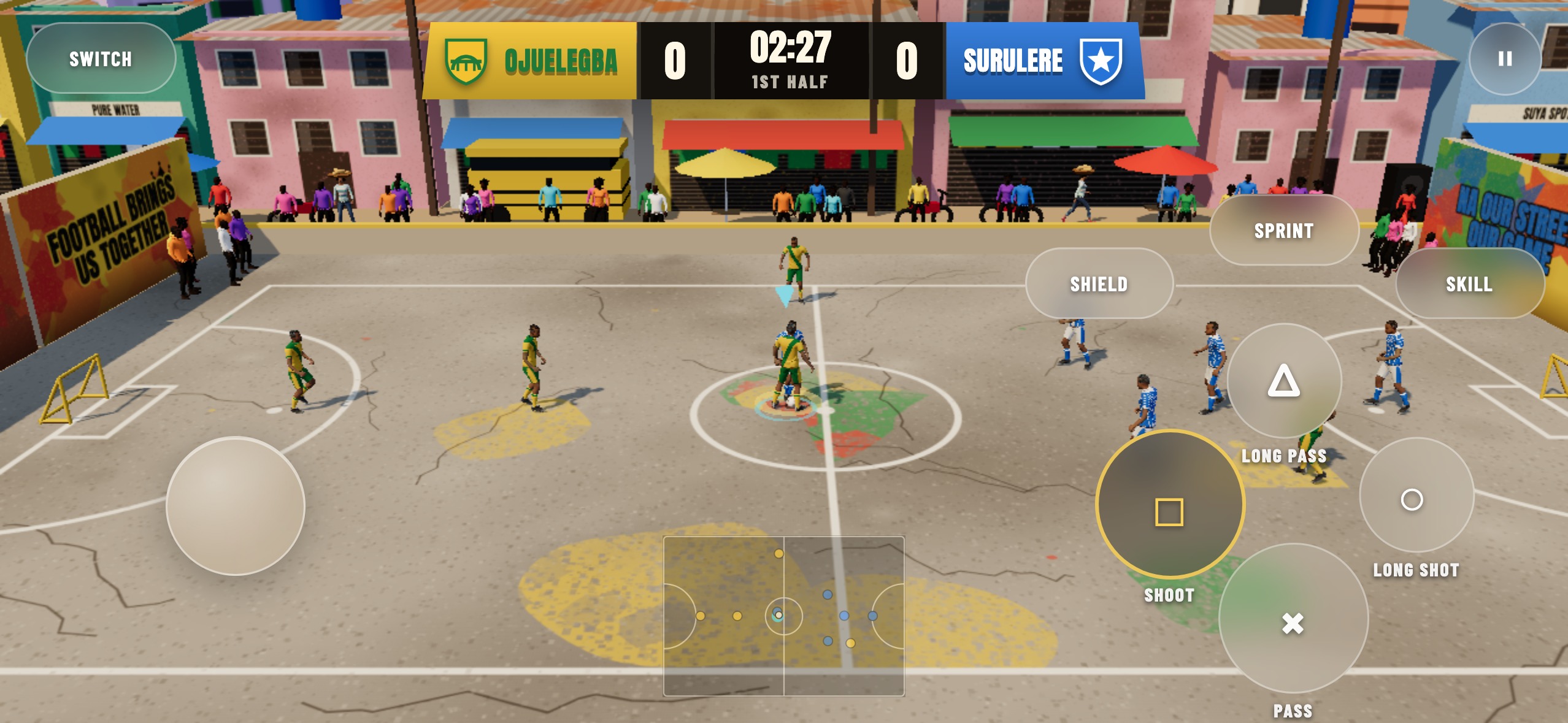
One key reason for its success is how accessible it is. A staggering 87% of players are enjoying the game on their mobile phones. Abraham designed Monkey Post to be played directly in a web browser, avoiding the need for downloads. He understands that asking someone to download an app can often turn them away before they even get started.
Many people have limited data, full storage, or simply don’t want to deal with app store hassles. With Monkey Post, players can just tap a link and dive into the game in a matter of seconds, whether they’re on their phones or laptops.
“Data is expensive, storage is full on a lot of phones, and an app store download loses most people before they even play,” he said.
Moreover, this web-based platform allowed Abraham to connect with players easily. More than 100 people reached out to him directly through the game, offering feedback on what was fun and what needed improvement. In fact, he was able to implement changes within hours based on player suggestions.
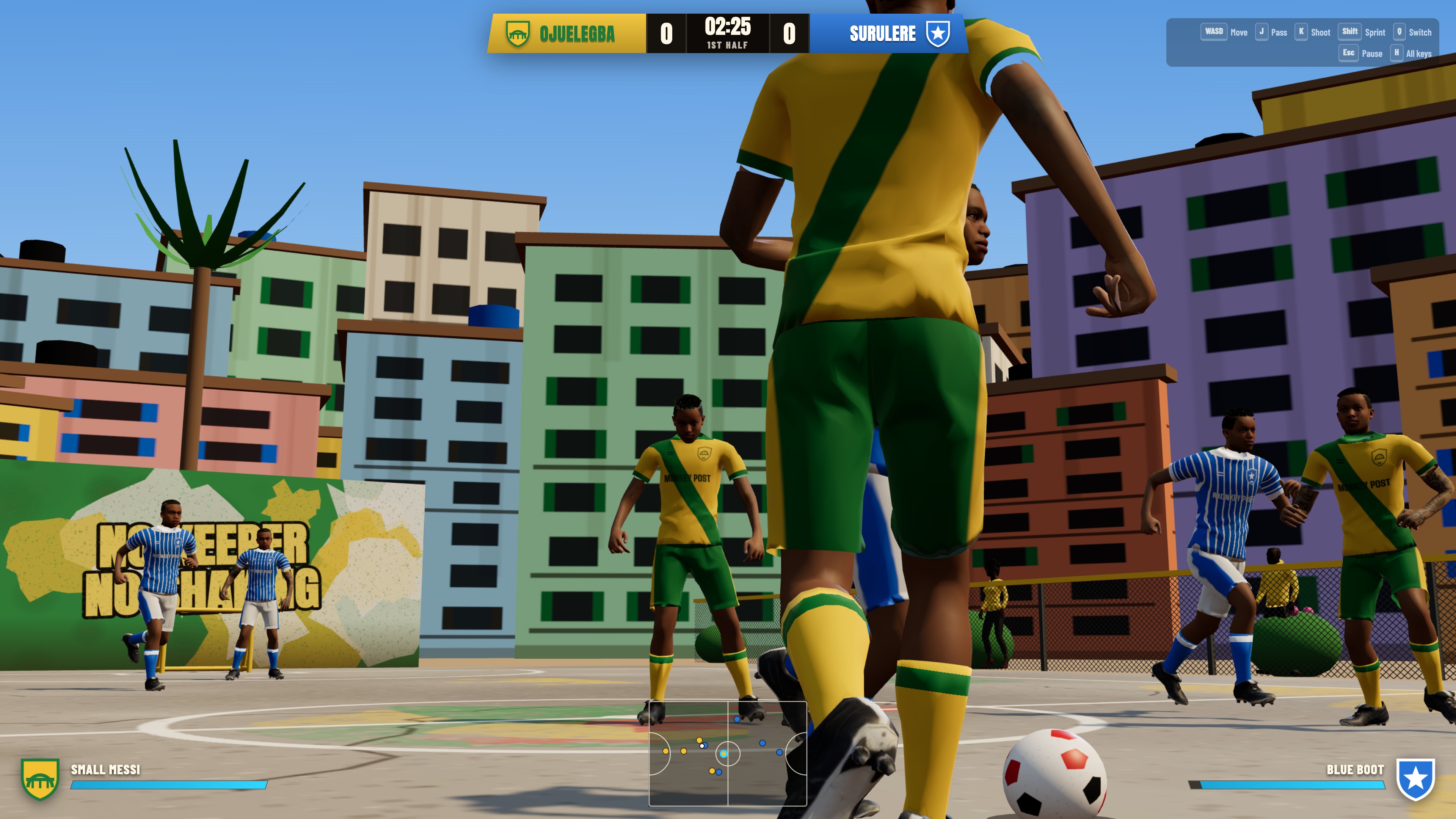
As a result, Monkey Post has evolved since its launch. Players can now enjoy sharper controls, better defender mechanics, enhanced penalty shootouts, and even compatibility with PS4 and Xbox controllers. It’s clear that this game is constantly improving, thanks to the enthusiastic input from its dedicated player community.
“With Monkey Post, you tap a link, and you’re playing in seconds on any phone or laptop,” he adds.
The Nigerian game boom
Monkey Post is making waves in the Nigerian gaming scene at a time when local games are really starting to take off. Titles like Lagos Run have drawn in thousands of players by turning everyday Nigerian experiences into engaging games that people love to play and share.
Abraham sees this as more than just a trend. “I think we’re seeing the start of one,” he remarked about the rise of a genuine Nigerian gaming industry. “The talent has always been here. What’s changed is that tools are cheaper, distribution is a link on X or WhatsApp, and players are clearly hungry for games that look and sound like them.”
This connection to local culture could give developers a significant edge. Abraham explained, “When someone sees a danfo parked by the pitch, a ‘Football brings us together’ mural, or hears ‘panna!’, they don’t need a tutorial to understand why it’s fun. They already have the memory.”
Similar read: As Lagos Run and Lagos Life shatter records, here are 5 earlier Lagos-themed games and how they fared
What sets Monkey Post apart from other football games is its unique focus on local culture. Abraham emphasised, “Monkey Post doesn’t compete with FIFA. It’s the only game that’s about our street.” This local flavour is what makes it special and relatable for players.
But can Monkey Post make money?
Getting people to play a Nigerian game like Monkey Post is one thing, but convincing them to spend money on it is a whole different challenge. Abraham, the creator, has decided to keep the main game free while exploring various ways to monetise it.
One of his top ideas is to introduce branded teams and kits. Football academies, local teams, and even brands have expressed interest in creating their own teams within the game. Musicians are also keen to get their songs featured. Other potential revenue streams could include sponsorships and optional cosmetic items like special kits and unique celebrations.
However, Abraham is careful about how advertisements, especially those related to betting, might affect the player experience. He wants to ensure that nothing disrupts what makes the game enjoyable.
A multiplayer feature is on the verge of launching, allowing players to challenge their friends using a room code. To kick things off, Abraham envisions free community tournaments and sponsored competitions. While he’s open to the idea of paid competitions in the future, any entry fees would need to be carefully planned to comply with legal regulations.
Abraham also sees an opportunity for fintech companies. “Easy, local payments for quick purchases are what’s been missing for Nigerian games,” he noted, expressing interest in collaborating with payment platforms.
For now, his focus remains on enhancing Monkey Post with multiplayer capabilities, more local neighbourhoods, and additional teams. Yet, he dreams bigger. “There are so many Nigerian experiences that have yet to be turned into games,” he says. If Monkey Post demonstrates that players crave games reflecting their culture, he hopes to establish a studio dedicated to creating more of these experiences.
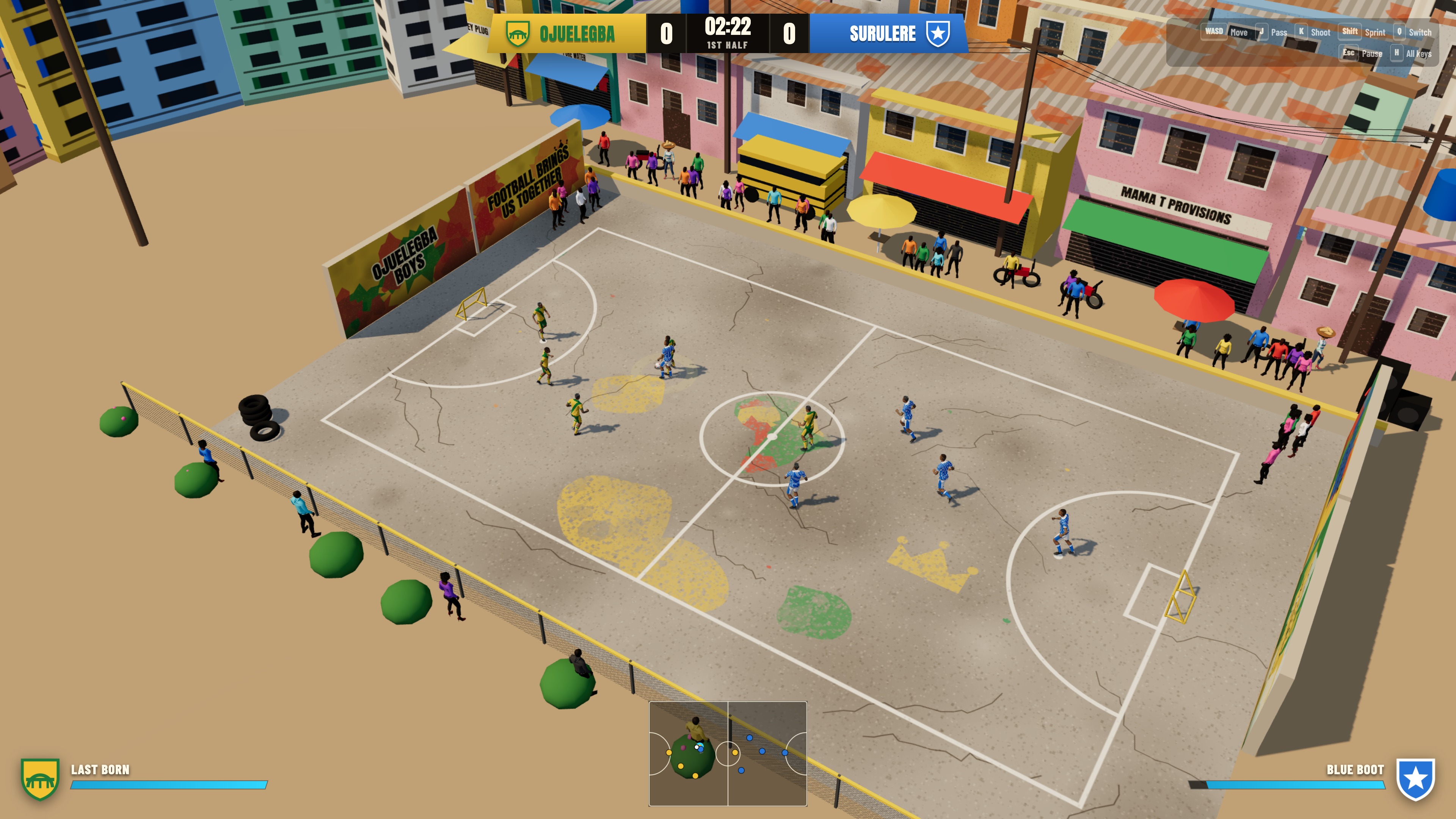
What makes Monkey Post special is its authenticity. Instead of mimicking grand stadiums like Wembley or Camp Nou, it captures the essence of Nigerian street football: the dusty pitch, the small goals, the lively banter, and the thrill of competition, all accessible to anyone with a phone.
The first hurdle was attracting players, and with over 17,700 already on board, that challenge seems to be successful.
Read also: Lagos Life hit 1 million players in three days, and it may be rewriting the rules for Nigerian games
