


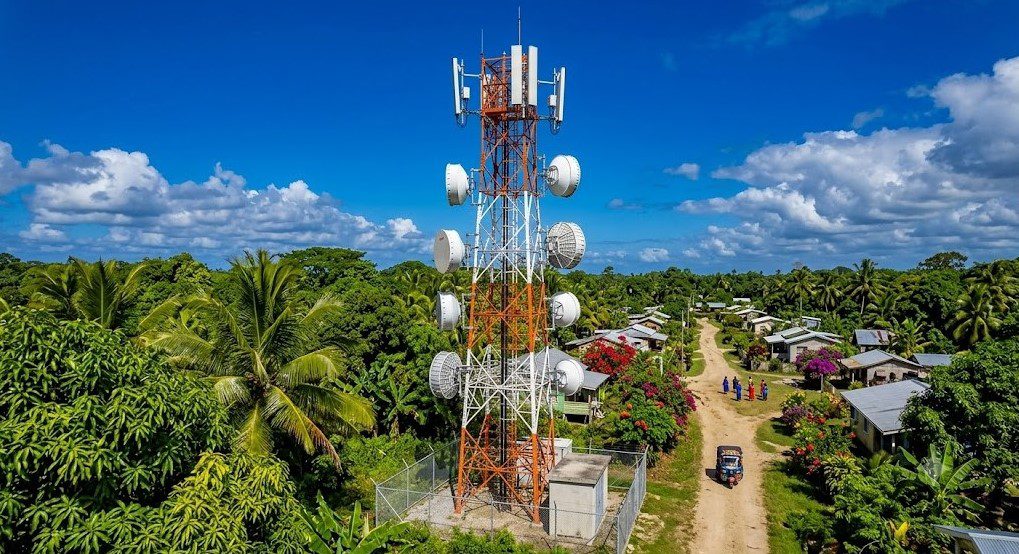
Despite recent increases in connectivity, the presence of telecom towers and smartphone adoption in many rural communities across Nigeria remains limited.
A recent industry report revealed that Nigeria’s rural median upload speed increased by 47.5% from 6.1 megabits per second (Mbps) in September 2025 to 9.0 Mbps in March 2026. Despite this growth, a large rural-urban connectivity gap exists.
In Africa, 47% of rural areas completely lack mobile broadband coverage, and another 30% only have access to slow 2G/3G networks.
For telecom operators, it’s all about business and profitability targets. Beyond spreading their wings to connect more Nigerians, operators want to increase their revenue and profitably cover daily operations such as powering base stations and performing routine checks and maintenance.
When it comes to rural communities, telecom operators consider many factors.

The population size effect
Operators usually decide to site a tower in rural settlements based on economic considerations and population size. It’s not about the unwillingness of operators; the decision is framed by how surging diesel costs, community extortion, and host-community hostility make siting towers in rural Nigeria more challenging.
Speaking with Technext, Olayinka Amoo, a site acquisition specialist, explained that most of the time, operators consider the population size of a rural community before making the choice of site landing.
He explained that telecom operators also consider temporary demand and strategic importance. For instance, a remote village in Kaduna with fewer than 200 people might get a telecom tower faster than another in Sokoto due to hidden factors.

He gave an instance where a village in Benue received a bigger tower because thousands of worshippers gather there periodically, while another site near the Borno border was not chosen primarily for security reasons.
In addition, population size becomes significant when measured in terms of revenue per subscriber against the daily cost of connecting them. As diesel cost is on the rise, coupled with poor power supply in most rural settlements, operators mostly run at a loss.
And the goal becomes keeping those losses to a minimum.
A November 2024 GSMA report showed that operating a rural base station in Africa costs telecom operators 35% to 40% more than running one in urban areas, with costs even higher in some countries.
Also Read: MTN, Airtel, others spend ₦72 billion monthly on diesel amid erratic electricity supply.
The community challenge
Beyond the cost of infrastructure and daily operations, telecom operators experience challenges with local heads, youths and unrecognised groups while discharging their duties in rural Nigeria.
Mr Amoo explained how local youths occasionally hold critical infrastructure hostage over unfulfilled community promises or direct extortion. They sometimes block access to telecom sites for refuelling, repairs and maintenance checks.
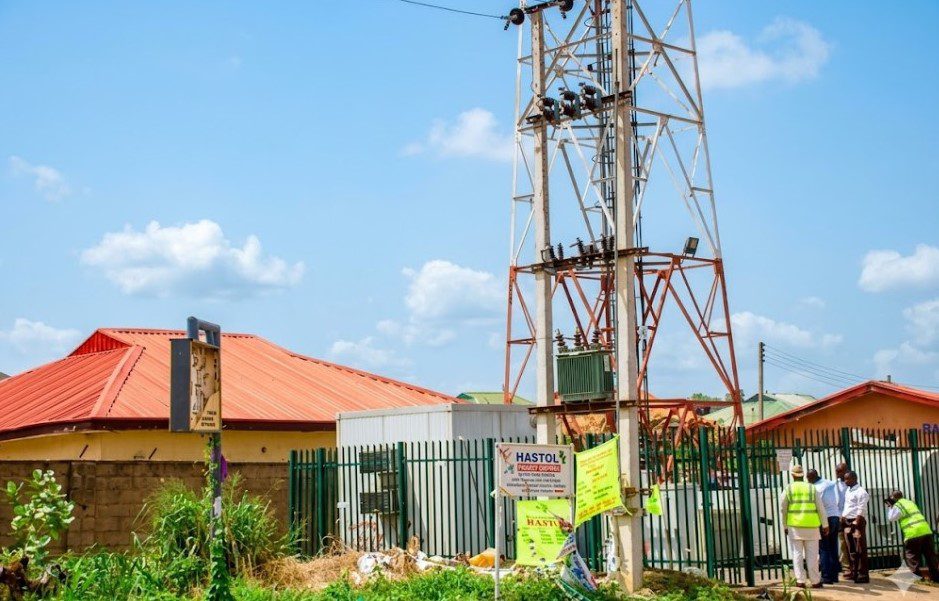
In some other cases, land siting can be an issue. A series of faces might show up to claim ownership of land or through the exploration of authority ownership.
In his words:
“Community youth can just gather themselves and say ‘no fueling today’, and they will request money. Another group can say, ‘Ah, there is a tower here, who brought it? They did not come to see me.’ They will gather and block the diesel delivery.”
There are instances where promises made during the process of acquisition are yet to be fulfilled by the operators; some gangs of youths would organise themselves and block access to the telecom sites, keeping the site out of inspection or refuelling.
These localised issues force operators to temporarily shut down towers for hours, plunging entire communities into days of digital blackouts.
Solar-powered sites
Aside from being a clean energy system, solar energy has become a top alternative for telecom operators. Through the deployment, operators save fuel costs and gain increased uptime of base stations.
Mr Amoo noted that going the solar way is a viable alternative, especially in rural areas. He specifically noted that the adoption can alleviate outages attributed to oil supply delays.
“Companies are now moving away from grid-dependent because when you can easily go for solar, why rely on the grid and diesel, which are unreliable when we can easily go for solar,” he added.
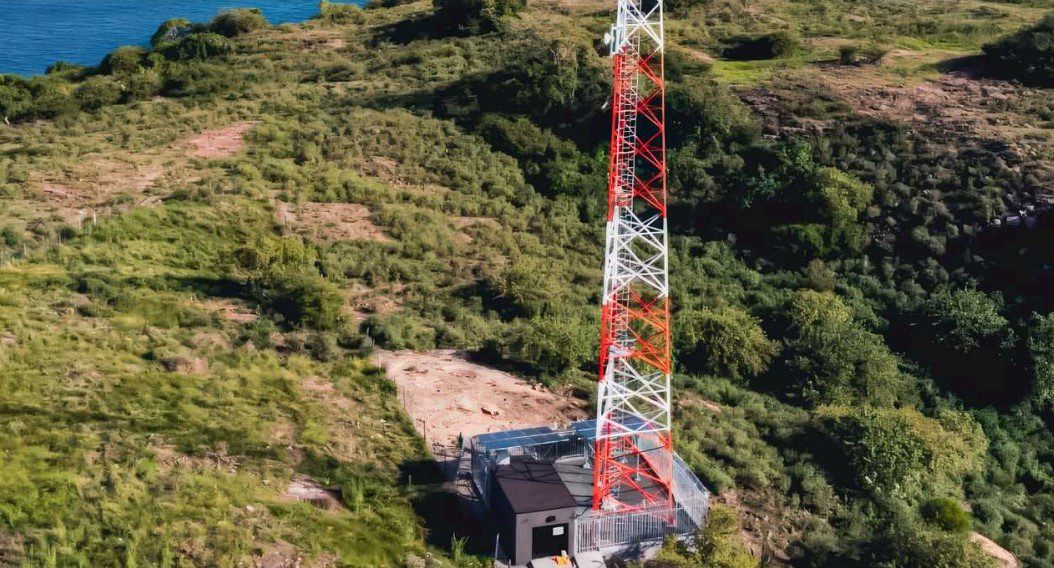
Telecom operators have been exploring solar and gas alternatives.
Airtel Nigeria, in its annual report for 2025/26, revealed that it deployed 200 solar-powered telecom towers between April 2025 and March 2026 across rural and urban areas, an attempt to reduce reliance on high-cost diesel and increase coverage.
Likewise, MTN Nigeria, in its sustainability report for 2025, said its use of gas-powered Independent Power Producer (IPP) electricity and inverter solutions yielded a joint cost saving of ₦8.5 billion in 2025.
