



Fintech companies are changing the way Nigerians think about investing, making it more accessible than ever before. In the past, many people felt that investing was only for those who already understood complex financial concepts. However, the rise of fintech apps is transforming that view and making it easier for everyone to invest.
With popular platforms like PiggyVest, Bamboo, Cowrywise, and Risevest, Nigerians can now invest right from their smartphones. Users can choose from various investment options, including mutual funds, fixed income products, and shares in both Nigerian and US companies. These fintechs are breaking down barriers and opening up opportunities for everyday people to grow their money.
Recently, we conducted an informal survey to learn more about the investment preferences of Nigerians. Interestingly, PiggyVest stood out as the top choice, with Bamboo and Cowrywise also being popular. While this wasn’t a scientific study, it clearly shows that attitudes toward investing are changing. More people are now viewing fintech apps as practical tools for improving their financial futures.

What’s particularly exciting is that investing has become an integral part of daily financial activities. For instance, if someone logs into an app to save ₦20,000, they can just as easily explore investment opportunities for some of that money. It’s no longer a separate task but rather a seamless part of managing finances.
The conversation is shifting from whether fintech companies should step into the investment space to why they are so keen to do so. This change reflects a growing trend toward financial empowerment in Nigeria. Investing is now becoming a regular part of life, creating new possibilities for individuals eager to build their wealth and secure their financial futures.
The fintech trend from saving money to putting it to work
The growth of fintech investment products makes a lot of sense when you consider how these companies operate. If a customer already trusts an app to save ₦10,000 each month automatically, they are more likely to try an investment product. This is why savings-focused fintech companies are increasingly venturing into the investment space.
Take Cowrywise, for example. They started by offering automated savings and mutual funds, and in 2025, they teamed up with Meristem to let users invest in Nigerian stocks. The response was impressive: over 12,000 people signed up for the waitlist in the first week alone.

The idea is simple: once fintechs help people save money, the next logical step is figuring out what to do with those savings. In 2024, Tony Odiba, co-founder and CPO of Risevest, put it: “Payments were the first step in digital finance growth across Africa.”
While payments make it easy to move money, they don’t necessarily help people build wealth. That’s why access to investments is the natural progression as digital finance continues to evolve.
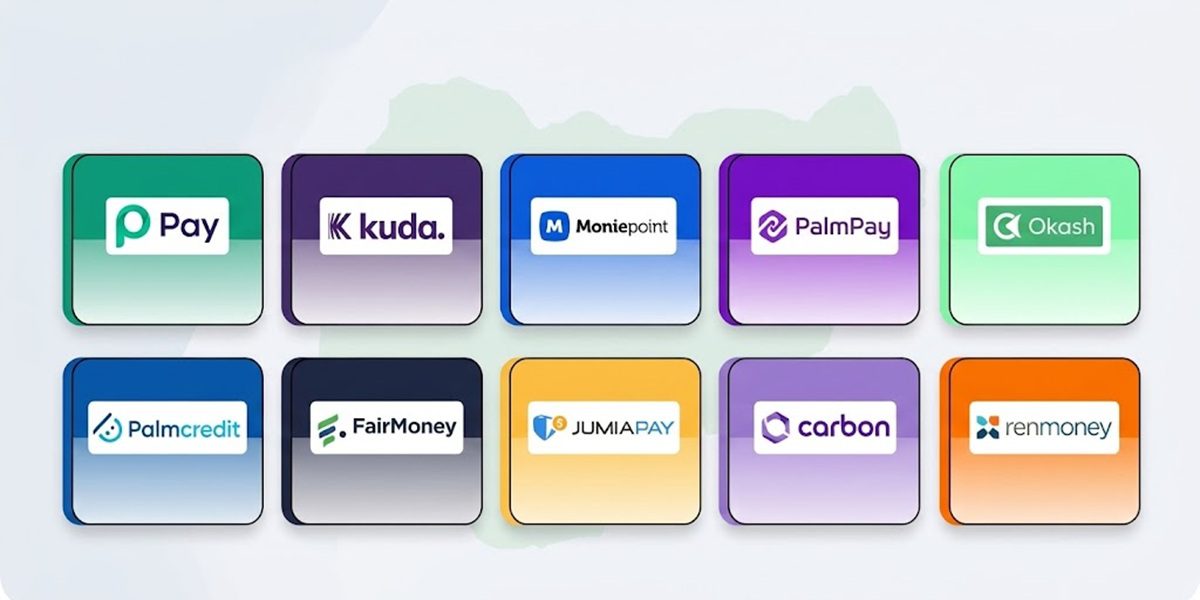
Also read: OPay is installed in 69% of smartphones in Nigeria, more than any other fintech app
Today, the lines between saving, payments, and investing are blurred. They are no longer separate entities; instead, they work together to create a comprehensive financial experience for users.
The phone is becoming the fintech investment desk
Bamboo has come a long way in making investment accessible to Nigerians. Initially, the company focused on allowing Nigerians to invest in US stocks through their smartphones. Now, they’ve expanded their offerings to include Nigerian stocks and a range of financial products. According to their website, they have over 2.3 million investors spread across Nigeria, South Africa, Kenya, and Ghana.
In contrast, Risevest targets managed portfolios and dollar-based investments. Cowrywise emphasises savings and investment products, while many other fintech platforms are connecting users with stocks, funds, and capital market options.
Though each company has its unique approach, one key trend stands out: investing is now becoming a digital commodity that anyone can access. This evolution opens the door for those who might never step into a brokerage office. Now, with just an app, anyone can start investing. People who once thought they needed millions of naira to invest can now find options with much smaller starting amounts. Plus, those looking to explore assets beyond Nigeria can easily navigate the process without feeling overwhelmed.
This shift is having a noticeable impact on the Nigerian capital market. In 2025, the Nigerian Exchange reported that over 2 million new investors joined the capital market. Their NGX Invest platform facilitated more than ₦3 trillion in capital raising and allowed for primary-market distribution through over 100 different channels.
While not every new investor might grasp the ins and outs of their investments, the rise of digital infrastructure means it’s easier than ever for everyday people to engage in the financial markets.
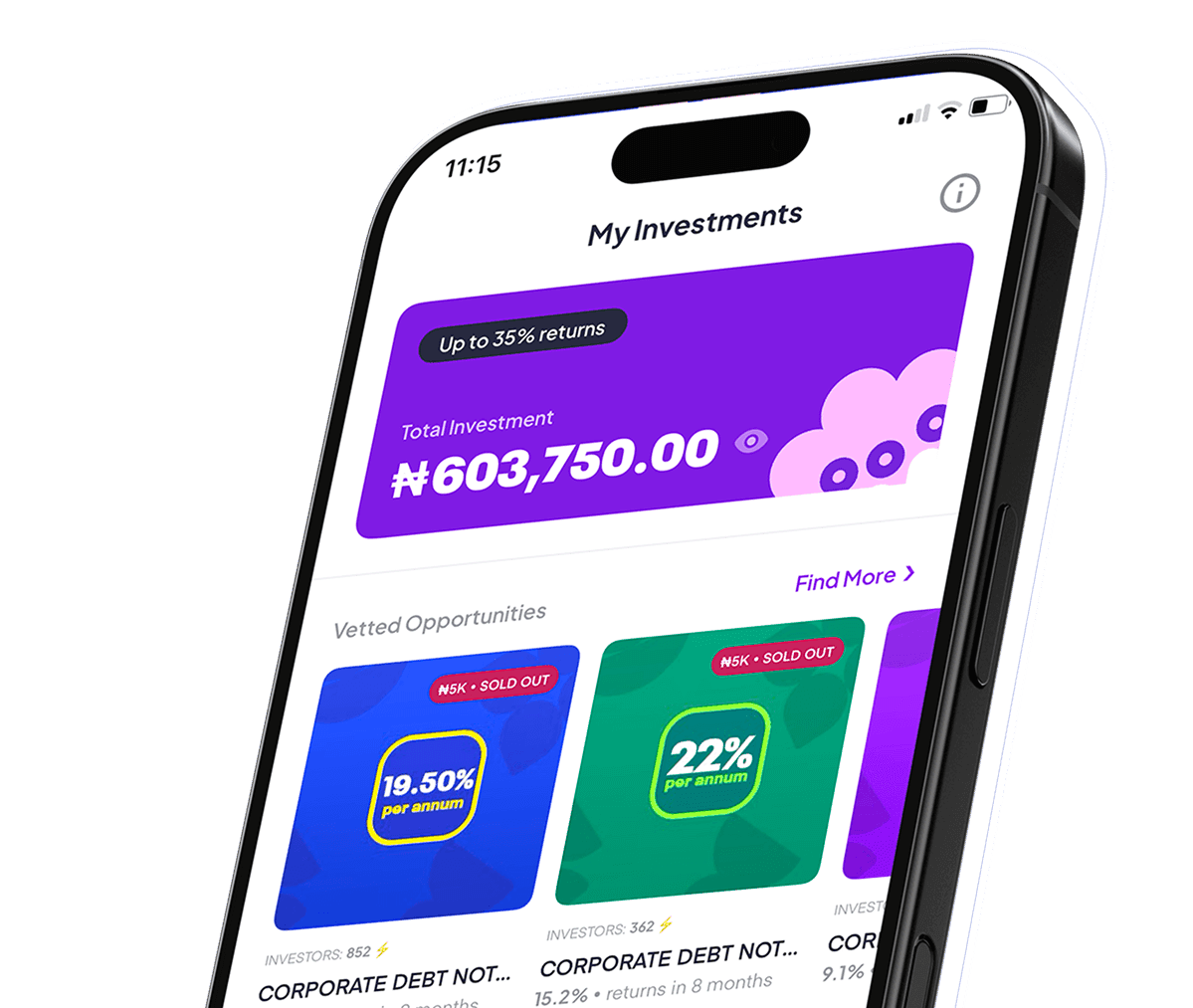
The Dangote Refinery IPO marked a significant shift in how everyday Nigerians invest. When the offer launched in September for ₦2.15 trillion, a wave of retail investors flocked to digital investment platforms. Bamboo, for instance, saw its traffic skyrocket nearly tenfold within just 30 minutes, while other platforms like Cowrywise faced disruptions due to overwhelming demand.
What’s fascinating about this IPO is not just the eagerness to buy Dangote shares but the method of buying them, mainly through mobile apps. This trend highlights that when a major investment opportunity arises, smartphones have become the go-to tool for many Nigerians looking to invest. It’s a clear sign that the investment landscape in Nigeria is evolving, making it more accessible than ever for ordinary people.
But easy access comes with a catch
Investing has become easier than ever, but that doesn’t necessarily mean it’s safer. With the rise of user-friendly apps, anyone can open an account and start buying assets quickly. However, this ease can be misleading; many investors may dive in without fully grasping the risks involved.
A sleek interface can make complex financial products seem simple, which is where caution is needed. Regulation plays a vital role here, especially as fintech companies venture deeper into investments. The Securities and Exchange Commission (SEC) oversees the activities of capital-market operators, and it’s essential for investors to confirm the legitimacy of these platforms before they put their money on the line.
It’s also important to recognise the difference between saving and investing, which can often get mixed up within the same app. Savings accounts, mutual funds, stocks, and other investment options all carry different levels of risk, return, and protection for your money.
For fintech companies, the appeal is clear: the more aspects of a customer’s financial life they can manage, the stronger the relationship becomes. The competition has shifted; it’s no longer just about moving money quickly or creating the most attractive banking app. Instead, it’s now about helping customers save, invest, and ultimately build wealth all within one platform. This shift means investing is becoming a standard feature of many fintech services.
More Nigerians than ever are engaging with investment opportunities, but what’s changing more significantly is how people view investing. For many, it’s now just another feature offered by their money management app, blending seamlessly into their financial routine.
Read also: CBN wants to remove 4 ‘brakes’ holding back Nigeria’s fintech growth
