





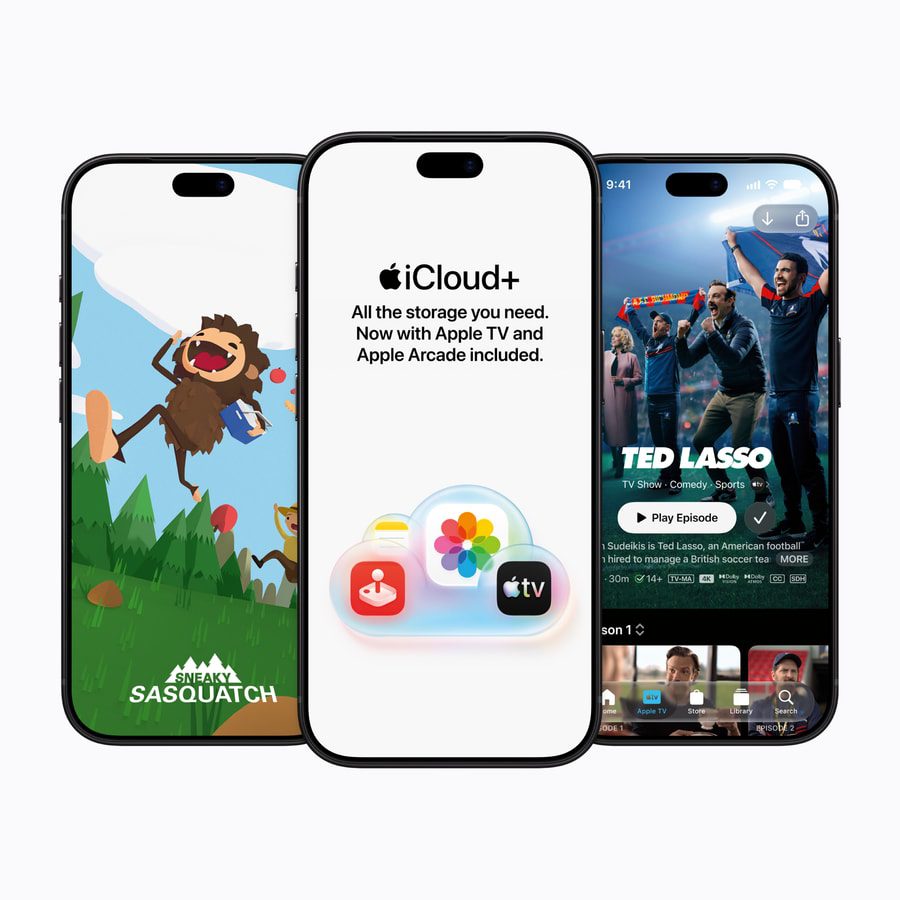
Apple TV just got a lot bigger in Nigeria, and for Nollywood and local streaming, the arrival raises more questions than it answers. In September, Apple bundled Apple TV and Apple Arcade into iCloud+ for Nigerian subscribers at no extra cost.
This is part of a rollout covering more than 100 countries and bringing the service to roughly 170 markets worldwide. At ₦1,300 a month for the entry-level 50GB plan, the barrier that kept Nigerians locked out of Apple TV for years is gone. What Apple brings to a streaming market that Nollywood already owns is a different question entirely.
Apple’s expansion into Nigeria lands months after Showmax, one of the country’s most recognisable streaming names, shut down on 30 April 2026, with MultiChoice folding it into DStv Stream.
That exit narrowed the competitive field and left Netflix as the dominant international player still actively investing in Nigerian titles. Apple TV enters that space with strong global originals, a competitive price point, and no announced Nigerian content of its own.
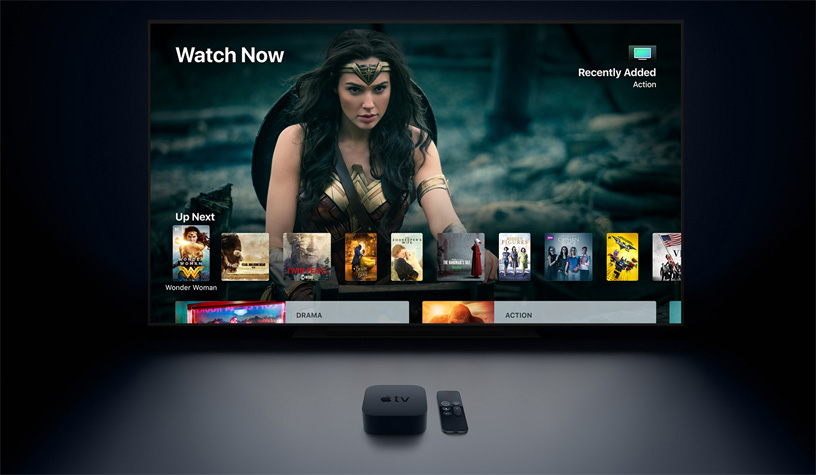
Eddy Cue, Apple’s Senior Vice President of Services and Health, described the expansion as bringing users “the absolute best in original storytelling” alongside cloud storage and gaming. That framing signals where Apple’s priorities currently sit.
What Nollywood has that Apple TV does not
Nollywood is not a niche addition to Nigeria’s entertainment habits. The industry has, by volume, long outpaced imported film and television as the most-watched content in the country, and 2026 alone has produced a steady run of theatrical and streaming releases that have held Nigerian audiences’ attention without any help from global platforms.
Apple TV arrives with a catalogue of internationally acclaimed originals, more than 900 industry awards and 3,800 nominations since the service launched in 2019, but none of them is Nigerian.
EbonyLife founder Mo Abudu has two projects: Her Perfect Life and Iyawo Mi. They are headed to Apple TV, suggesting the platform is at least in conversation with Nigeria’s creative industry.
Beyond that, Apple has not announced any Nigerian films, series, or a broader commissioning slate for the market. Some Nigerian titles are available to rent or buy through the Apple TV storefront, but that is a transactional arrangement rather than a subscription commitment.
Nigeria’s streaming market rewards investment. Netflix spent years building its Nigerian audience before it became genuinely embedded in the market, funding more than $23 million in Nigerian productions since 2016 and commissioning original series that connected with local audiences on their own terms. Amazon Prime Video has followed a similar path, deepening Nollywood collaborations and prioritising cultural relevance over catalogue volume. Apple TV arrives with neither of those foundations in place.
As of publication, no Nigerian streaming platform executive, filmmaker, or industry body has publicly commented on Apple TV’s arrival, beyond the Mo Abudu projects announced earlier this year. A platform that has announced its presence in 59 new markets simultaneously has not yet registered as a significant moment within Nollywood’s broader creative community. Whether that changes will depend largely on what Apple does next.
Where Apple TV poses a genuine competitive challenge is on price. At ₦1,300 a month bundled into iCloud+, it offers Nigerian subscribers access to a premium global streaming catalogue at a cost that undercuts most of its direct competitors.
For Nigerian users already paying for iCloud+ storage, a number that has grown alongside rising iPhone adoption, Apple TV arrives effectively for free. Apple Arcade’s catalogue of more than 200 games, including Football Manager 26 Touch and NBA 2K26 Arcade Edition, adds further value to a bundle that is difficult to argue with on price alone.

That bundling strategy is not designed to win the local content battle. It is designed to deepen Apple ecosystem loyalty and reduce subscriber churn across its services portfolio globally. Nigeria benefits as a consequence of that strategy rather than as a deliberate market investment.
Apple’s next move with Nigeria matters more than what it announced. Showmax’s exit proved how quickly the competitive field can shift in this market. If Apple decides to invest in Nigerian content with the same seriousness it has brought to its global originals strategy, it could reshape the market in ways that significantly benefit Nigerian creators.
If it does not, it will remain a platform that Nigerians have access to but do not particularly need. The choice has not been made publicly yet. The next few months will make it clearer which direction Apple is heading.
Read also: Samsung to pre-load DStv Stream on new smart TVs across 18 African countries
