


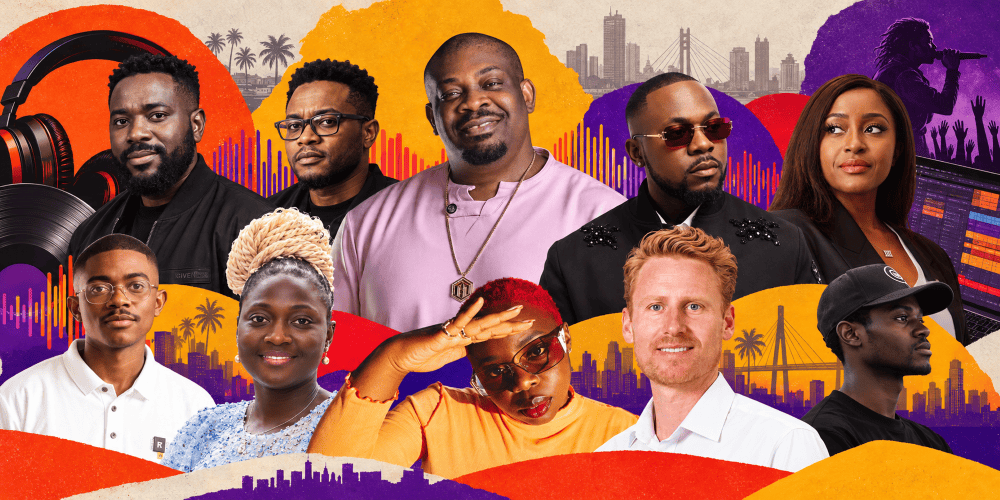
African music has travelled far beyond the continent, with Afrobeats, Amapiano and other homegrown sounds reaching audiences through streaming platforms such as Spotify, Apple Music and Boomplay. But behind the artists attracting millions of listeners is a growing network of entrepreneurs building the businesses that make this expansion possible.
From record labels and digital distributors to streaming services, music analytics and royalty-management platforms, these entrepreneurs are changing how African music is produced, distributed, measured and monetised. Their work is particularly important for independent artists who previously depended heavily on traditional record labels and established industry connections.
While some are developing internationally recognised artists, others are building the technology that helps musicians reach listeners, understand their audiences and earn from their work.
Here are 10 entrepreneurs contributing to the growth of Africa’s digital music economy.
1. Don Jazzy
Michael Collins Ajereh, popularly known as Don Jazzy, founded Mavin Records in 2012 after the dissolution of Mo’ Hits Records, the influential Nigerian label he co-founded with D’banj.
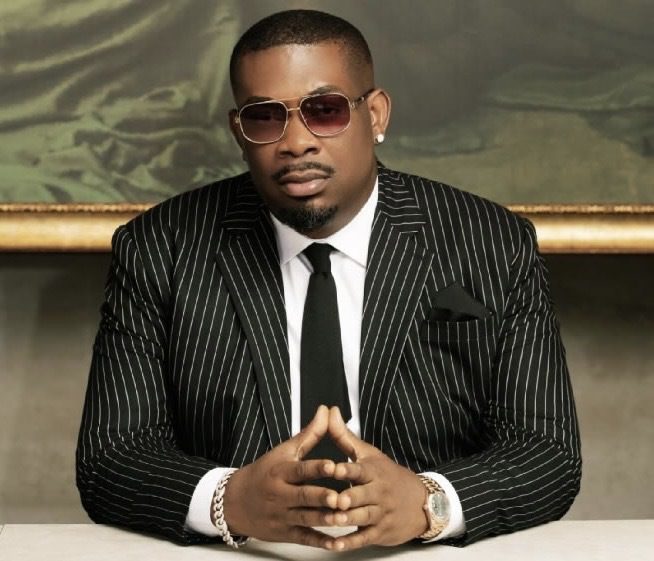
Through Mavin, Don Jazzy has developed an artist-development business responsible for launching and supporting musicians including Rema, Ayra Starr, Korede Bello, Reekado Banks and Johnny Drille.
Beyond producing hit songs, Mavin operates across talent discovery, artist development, music production, digital marketing and international distribution. The label’s growth attracted investment from Kupanda Capital in 2019, followed by Universal Music Group’s majority investment announced in 2024. The partnership was designed to strengthen Mavin’s global distribution and artist-development operations.
Don Jazzy’s contribution to Africa’s digital music economy lies in building a record label that combines traditional artist development with modern streaming distribution, digital promotion and international partnerships.
2. Michael Ugwu
Michael Ugwu founded Freeme Digital in 2013, helping establish a distribution business at a time when Nigerian musicians had fewer direct routes to international streaming platforms.
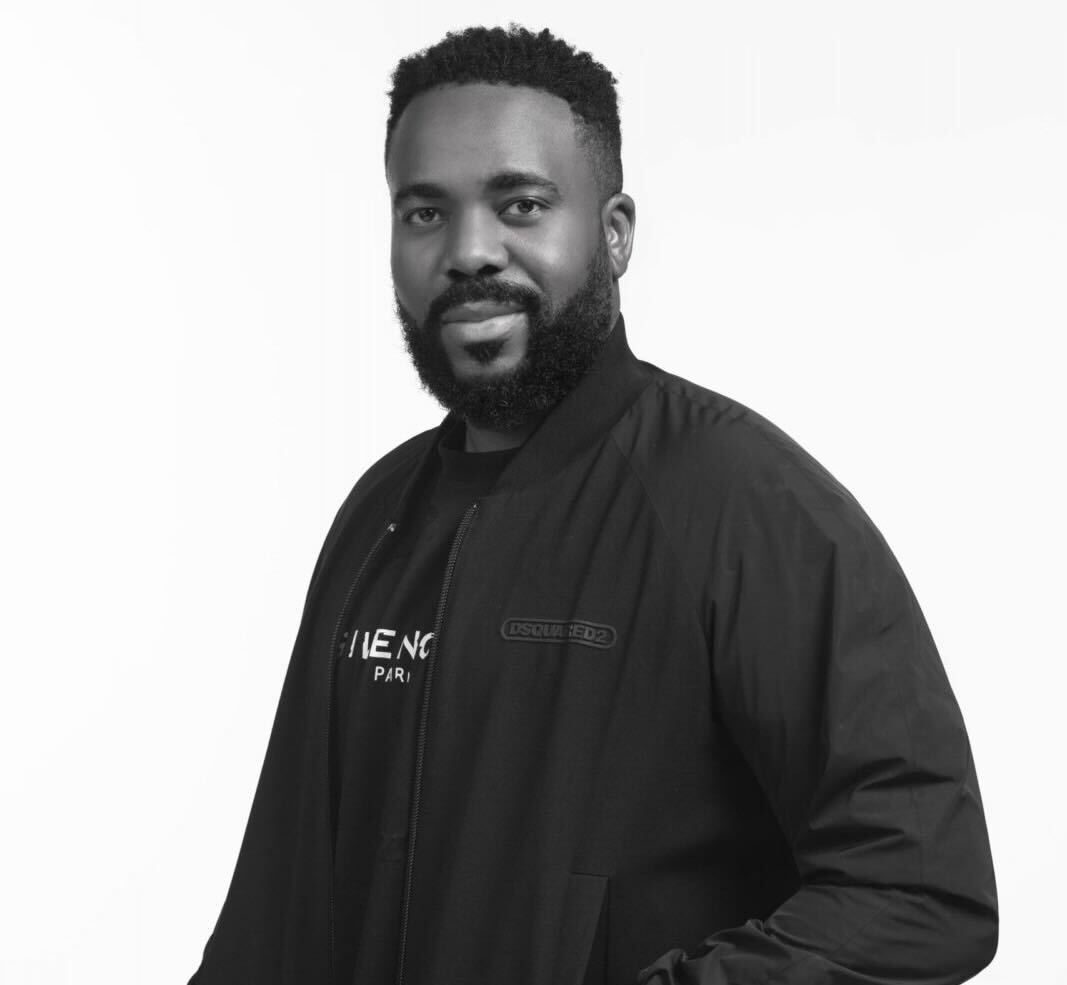
Before Freeme, Ugwu led iROKING, an early Nigerian digital entertainment platform, and later served as the pioneer General Manager of Sony Music West Africa.
Freeme has expanded into music distribution, publishing, label services, content production and artist development.
One of its notable technology initiatives is KORA, a music distribution platform developed in partnership with Revelator. The platform is designed to help African artists and labels manage digital releases, catalogue information, royalties and payments.
Ugwu’s work addresses an important challenge for independent musicians: getting their music onto global platforms while retaining greater control over the business processes surrounding their releases.
3. Damilola Akinwunmi
Damilola “Dapper” Akinwunmi founded Dapper Music and Entertainment in 2018, initially focusing on music distribution and artist services. What began as a distribution operation has grown into the Dapper Group, with businesses covering recorded music, publishing, live entertainment and film.

Through Dvpper Digital, the group helps artists distribute music to streaming platforms and manage digital releases. The company reports having distributed more than 2,000 songs and generated over one billion streams on Audiomack. Dapper’s business illustrates how digital distribution can become the foundation for a larger entertainment company.
Rather than relying exclusively on streaming revenue, the group has expanded into other areas where music creates commercial value, including publishing rights, performances and audiovisual content.
4. Ayoola Oni
Ayoola Oni is the founder of Melior, a Nigerian music technology platform designed to simplify the business side of being an independent musician.
Before establishing Melior, Oni co-founded Ejoya Music in 2018. His experience managing music distribution revealed how much administrative work still depended on emails, spreadsheets and manual processes. Melior was developed to address those problems.
The platform brings music distribution, streaming analytics, revenue tracking and collaborator management into one digital environment. It also offers services intended to help eligible artists access financing against their music earnings.
For independent musicians managing multiple releases and collaborators, these tools can reduce the administrative burden of running a music career.
Oni’s approach treats artists as entrepreneurs who need business-management software, not simply access to streaming platforms.
5. Ayomide Oriowo
As streaming became central to Nigeria’s music industry, measuring a song’s popularity across different platforms presented a challenge.
Ayomide Oriowo and Similoluwa Adegoke responded by establishing TurnTable Charts in 2020.

The music chart company collects and analyses consumption data to provide rankings of songs, albums and artists in Nigeria.
Its charts incorporate streaming and radio airplay information, offering a broader measurement of music performance than figures from a single streaming platform.
TurnTable has also expanded its data sources to include major digital music services.
For artists and record labels, reliable consumption data can influence marketing decisions, release strategies and commercial partnerships.
The founders have helped develop a measurement system that allows Nigeria’s music industry to assess performance using more structured information rather than relying solely on social media popularity.
6. Omobosola Karimat Alaka
Omobosola Karimat Alaka is a co-founder of Hafrikplay, a Nigerian music streaming and creator platform launched in 2021.
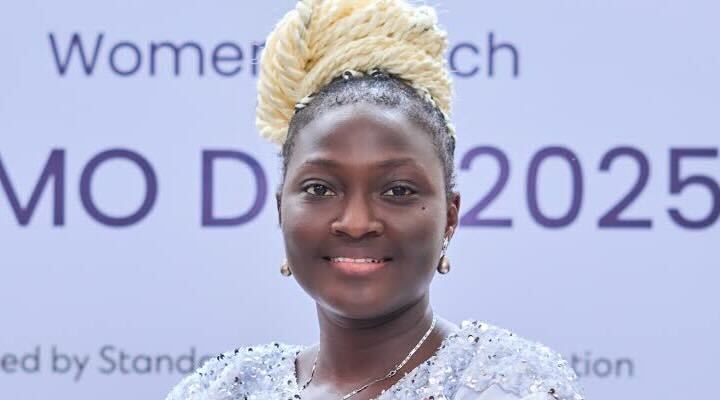
The company was established alongside Oluwamayowa Fapohunda, Destiny Ezenwata and Abolaji Alaka to provide African musicians with tools for distribution, analytics and monetisation. Unlike platforms focused primarily on music consumption, Hafrikplay combines streaming with artist-facing services intended to give musicians greater visibility into their digital performance and earnings.
In 2025, the company reported having more than 15,000 artists and 100,000 active users.
Hafrikplay’s approach addresses one of the industry’s persistent problems: musicians can attract online listeners without necessarily earning enough to sustain their careers.
By bringing distribution, audience information and payment tools closer together, Alaka and her co-founders are exploring ways for independent African musicians to participate more directly in the commercial value of their work.
7. Martin Møller Nielsen
Martin Møller Nielsen is the CEO of Mdundo, a Kenya-based music streaming and download service designed around the realities of African digital markets.
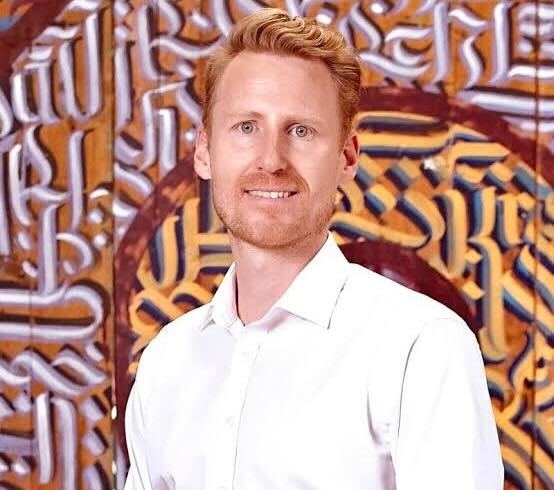
Unlike international streaming platforms built primarily for markets with widespread subscription payments and reliable internet access, Mdundo has focused on affordability, accessible music downloads and partnerships with telecommunications companies.
The platform allows users to access African music while providing a distribution and monetisation channel for artists. By June 2025, Mdundo reported 40.5 million monthly active users, demonstrating its reach across African markets.
However, the company has also faced challenges converting large audiences into sustainable subscription revenue. Its more recent strategy has placed greater emphasis on paying subscribers and direct-payment channels.
Nielsen’s work sits at the intersection of digital music consumption, telecommunications infrastructure and local payment
8. Ms Mavy
Ms Mavy, a music producer and entrepreneur with Cameroonian and Guadeloupean roots, is the founder of Afroplug, a music technology platform launched in 2021.
Drawing on her experience as a producer, she created Afroplug to make production resources for African, Caribbean and Latin music more accessible. The platform provides digital tools such as beats, sample packs and music production resources, alongside licensing and monetisation opportunities for independent creators.
In 2025, Mavy reported that Afroplug had attracted more than 100,000 users worldwide. Her business focuses on helping producers access the tools they need to create music and generate income from their work.
9. Nodjigno Pierre Yao Nihtael
While Nigeria, Ghana and South Africa attract considerable attention in discussions about African music, entrepreneurs in smaller markets are also helping artists participate in the digital economy. One of them is Yao Nihtael, a Togolese music industry professional working through Façonné Music.
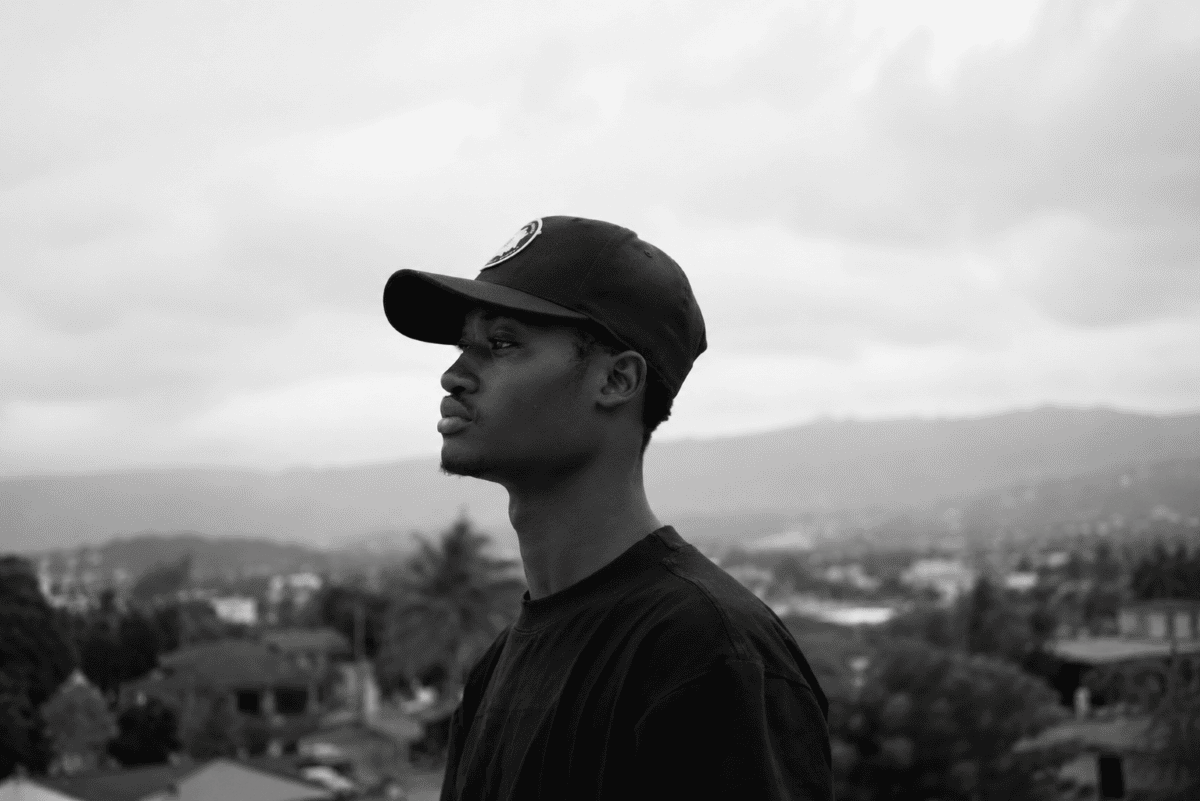
Nihtael focuses on digital distribution, artist development, release preparation and media strategy. He has contributed to the distribution and development of more than 50 artists and music projects.
His work involves helping musicians prepare their songs for streaming platforms, organise metadata, manage digital profiles and develop promotional strategies.
For artists in smaller markets such as Togo, these services can be particularly important because access to established labels, professional management and international industry networks is often limited.
His work demonstrates that making music available internationally is only the beginning. Artists still need professional structures, promotion and an understanding of rights and revenue to turn digital access into sustainable careers.
Also read: How Togo’s Yao Nihtael is helping artists turn music talent into business using tech
10. Camille Storm
Kenyan music executive Camille Storm is the founder of Camille & Co., a music company established in 2018, and C&C Distro, a digital distribution service launched in 2020.

Storm began her career as a music journalist, founding The Camille Way blog in 2011 to spotlight emerging East African artists. She later expanded into artist management, public relations and music distribution.
Through C&C Distro, she helps independent African musicians distribute their songs to platforms including Spotify, Apple Music and Deezer. The company also provides music marketing, playlist pitching and promotional support, helping artists reach international audiences without relying entirely on traditional record labels.
As African music continues to reach new audiences, the challenge is ensuring that its commercial success translates into lasting opportunities for the people creating it. Better access to distribution, reliable industry data, transparent royalty systems and affordable technology could help more artists build sustainable careers, even without the backing of major record labels. For the businesses developing these services, the opportunity lies not just in how far African music can travel, but in how much value can be retained within the continent.
