




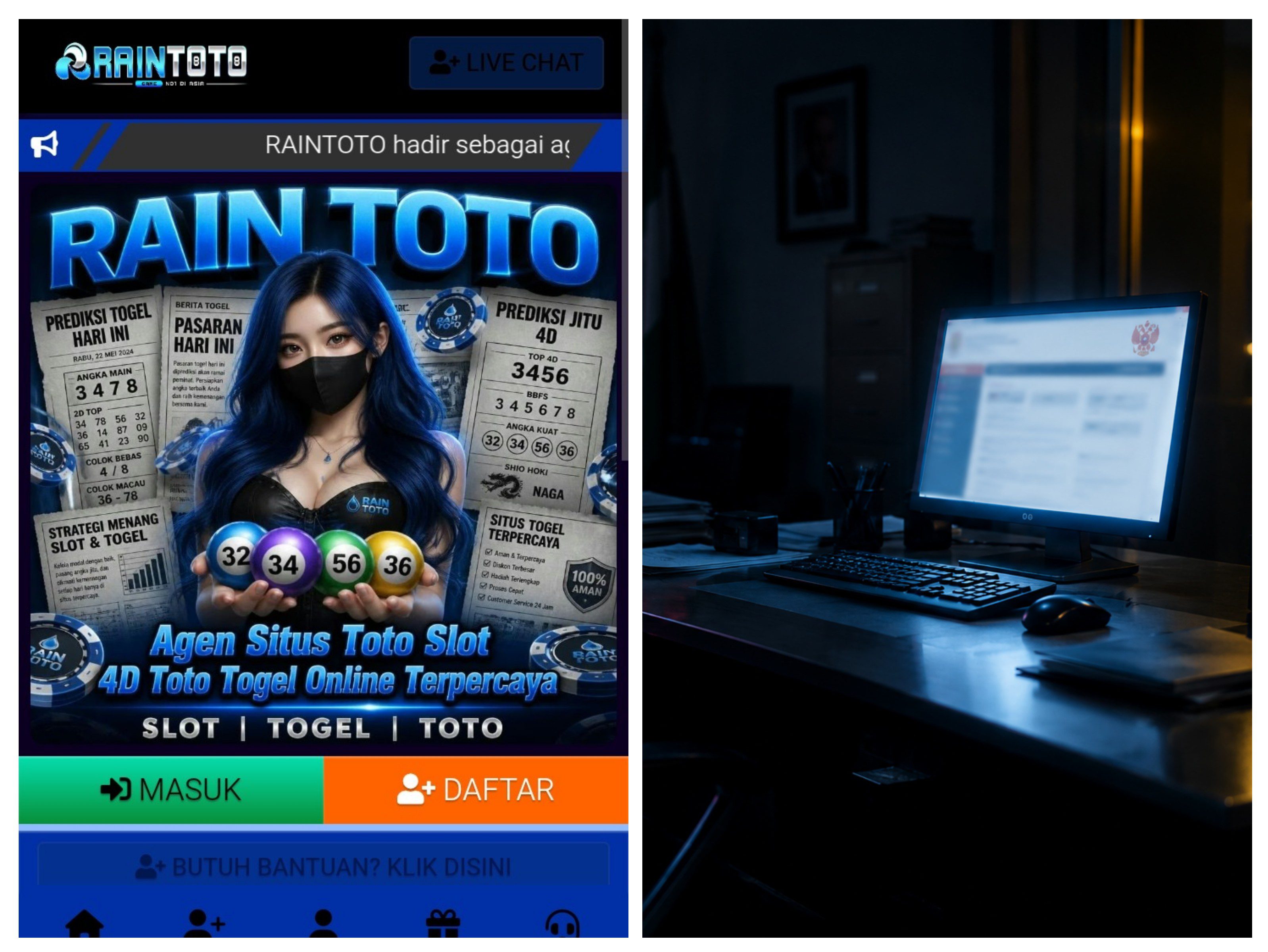
Gambling and betting content has been found on the websites of 16 Nigerian federal ministries and agencies, with 12 still carrying active pages as of publication, Technext checks have found.
The findings follow Technext’s earlier report on casino pages discovered on inecnigeria.org, which itself built on a July dossier by Techpoint Africa documenting an Indonesian-linked gambling operation across 16 African countries.
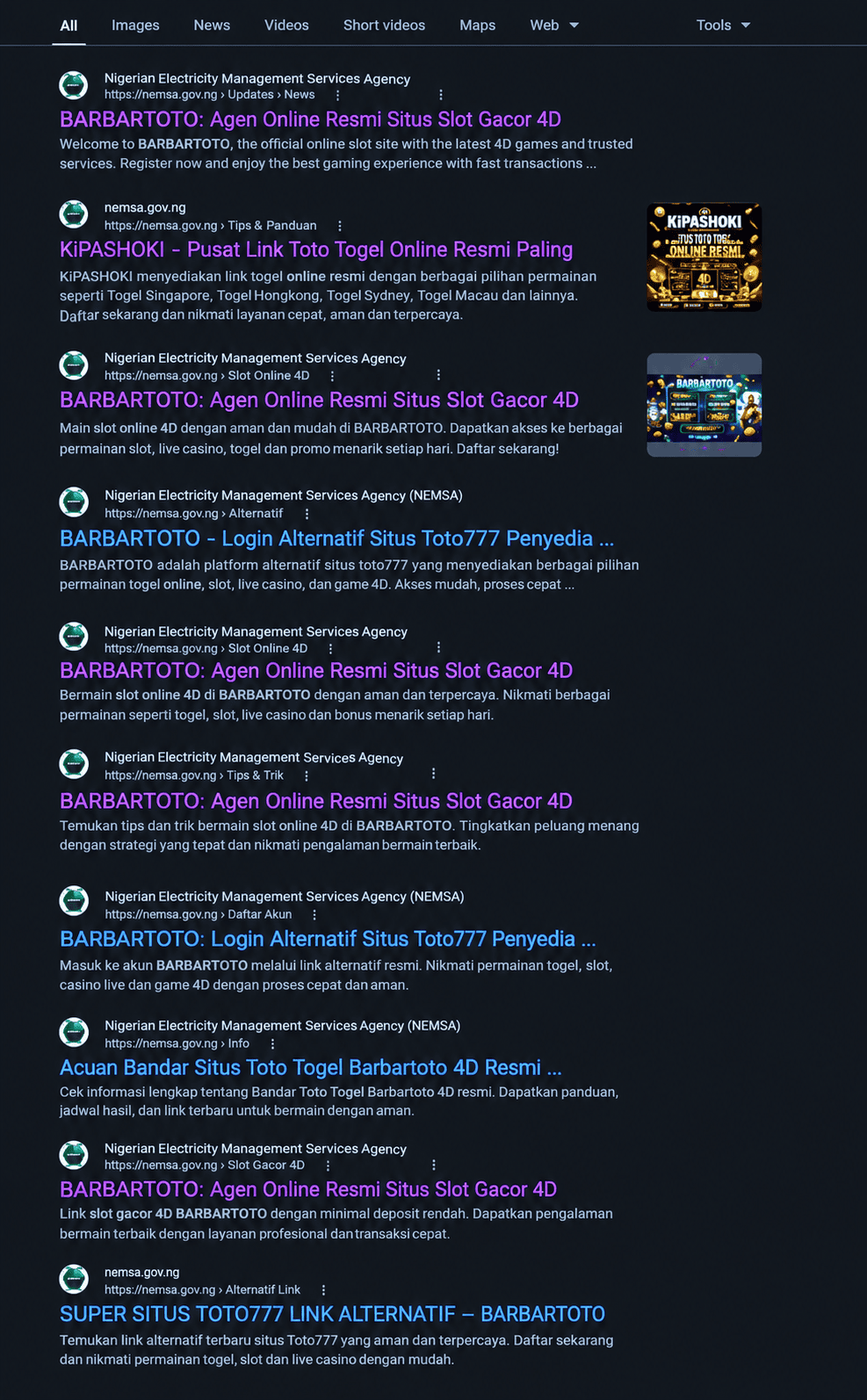
Technext’s own checks, using publicly available search methods only, found the problem runs considerably deeper across Nigeria’s own government infrastructure.
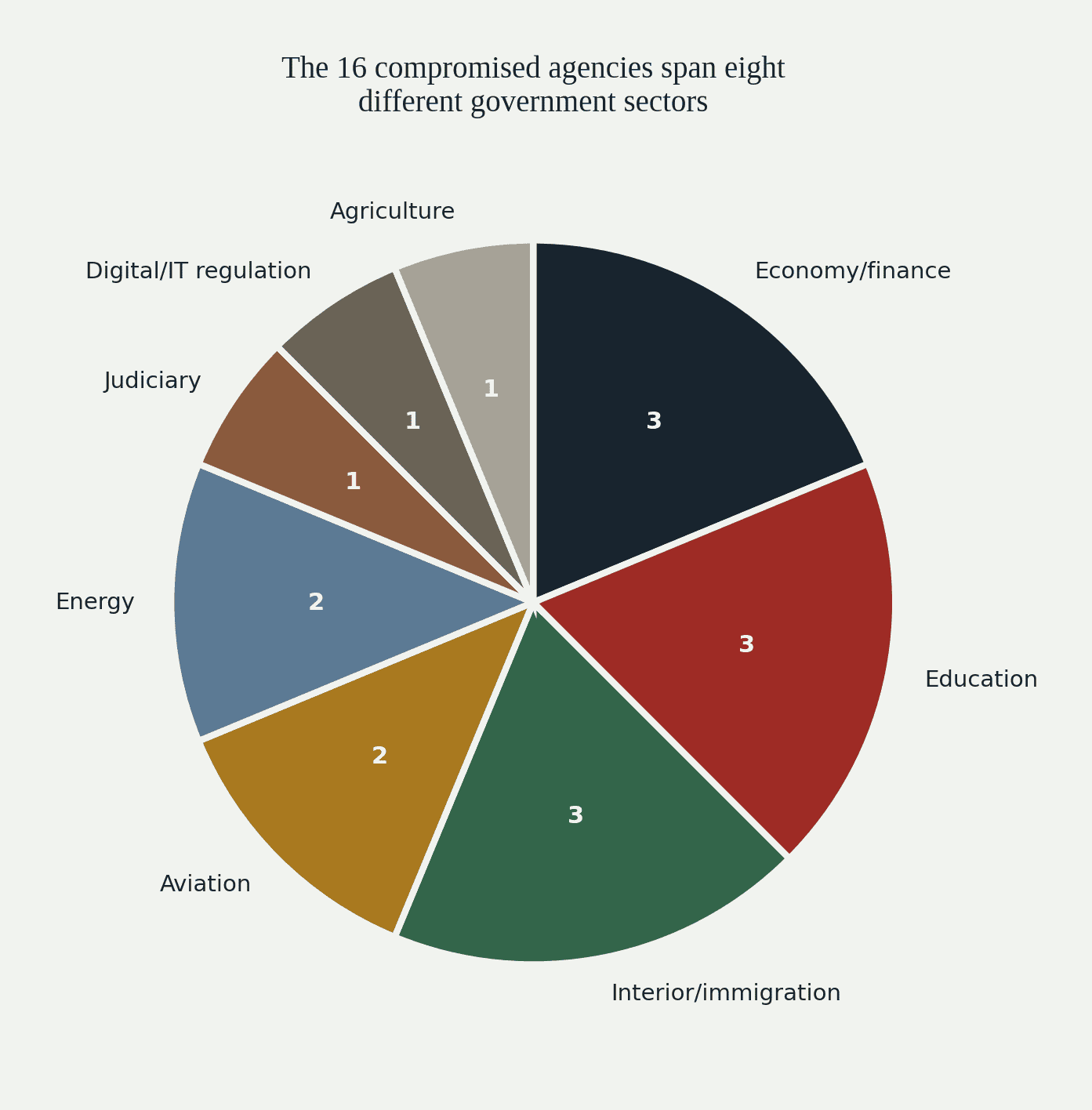
Behold the 16 agencies hosting gambling content
The list spans election-adjacent bodies, financial and IT regulators, a nuclear safety authority, a university and a judicial oversight body. They include the Nigeria Deposit Insurance Corporation (NDIC), the National Information Technology Development Agency (NITDA), the Nigeria Immigration Service and the Federal Ministries of Education and Interior.
Also, affected are: the National Agricultural Extension, Research and Liaison Services (NAERLS), the Nigerian College of Aviation Technology, the Nigerian Airspace Management Agency (NAMA), the Oil and Gas Free Zones Authority, the Small and Medium Enterprise Development Agency of Nigeria (SMEDAN), the National Open University of Nigeria, the National Judicial Council (NJC), the National Library of Nigeria, the Nigerian Nuclear Regulatory Authority (NNRA), the Federal Fire Service, and the Nigerian Electricity Management Services Agency (NEMSA).
Content varied by agency and appeared to originate from at least six separate operations, based on language alone: Indonesian, Vietnamese, Portuguese, Thai, Polish and Spanish. NAERLS was previously named in Techpoint’s July dossier, taken down within hours after a direct report to the Minister of Communications, Innovation and Digital Economy, and then found compromised again in August, with the same pattern repeating in this latest check.
Also read: INEC keeps mum as it quietly overhauls website days after casino content scandal
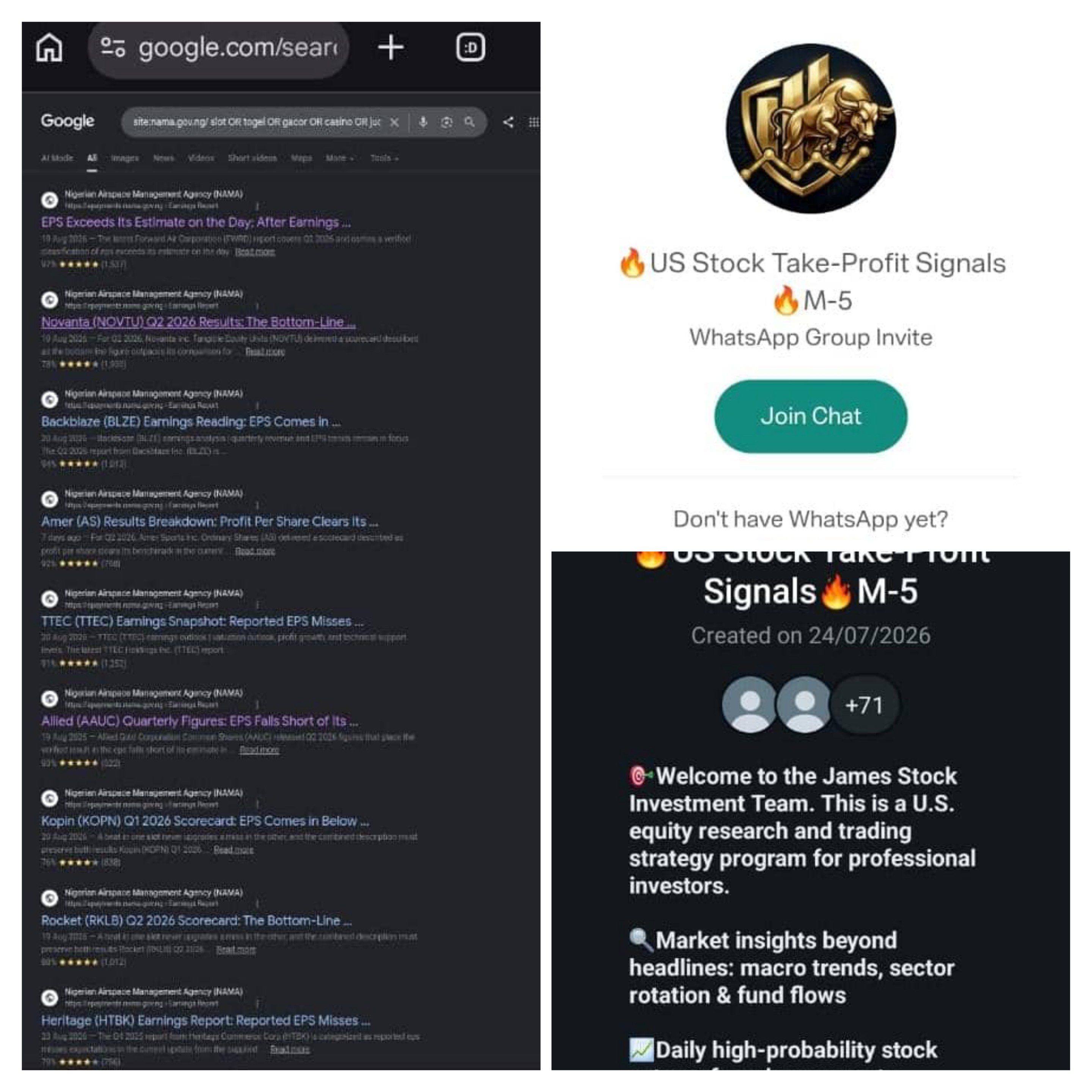
One case stood apart from the rest. A compromised page on NAMA’s website did not lead to gambling content at all. It auto-redirected to a WhatsApp group recruiting members into what presented as a United States stock-trading signals scheme, a different fraud type entirely, now apparently taken down.
What’s been fixed, and what hasn’t
Technext re-checked all 16 agencies 5 hours before publication. Four appear to have remediated the issue: the Ministry of Interior, the Nigeria Immigration Service (whose link now redirects to a legitimate appointment page), NAMA, and NNRA, whose links now redirect to a map or return an error.
The remaining 12 are still live, in some cases more extensively than when first reported. The National Open University’s website carries more than 50 active gambling links. NEMSA has 40, though several originally flagged pages now redirect to legitimate agency content, including its contractor directories and security unit page.
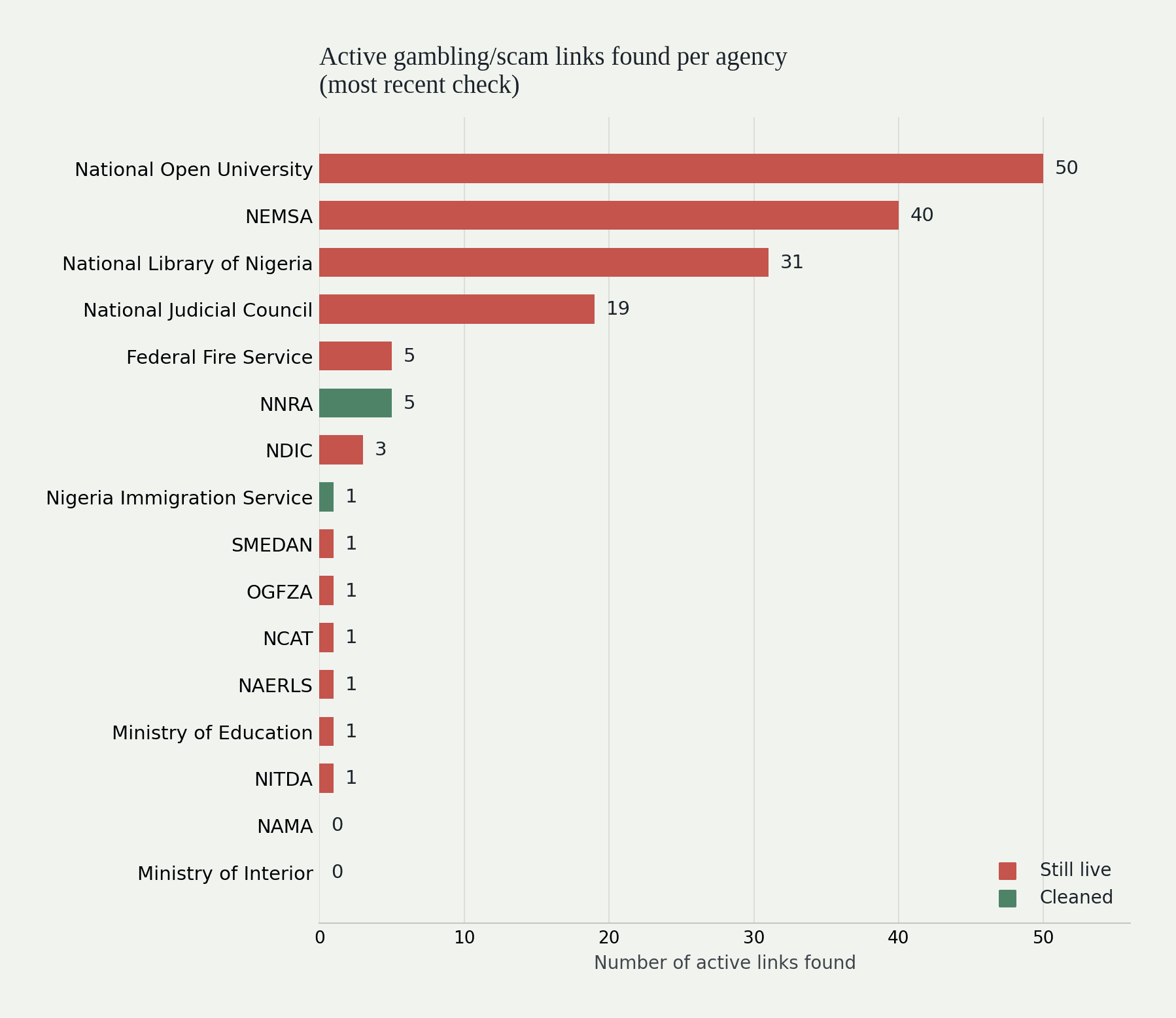
The National Judicial Council has 19 active links; one subdomain, pay.njc.gov.ng, now returns a browser certificate warning, and at least one compromised link redirects entirely off the .gov.ng domain to a Chilean retail website now serving casino content.
The Federal Fire Service’s compromised pages include an article dated 4 September, days after Technext’s checks began, indicating the content is still being actively published rather than sitting untouched.
Why this isn’t just about casino ads
Martin Uwakwe, the researcher who first documented the INEC compromise on X, said the pattern points to government websites being “treated as one-time communications projects rather than continuously managed public infrastructure.” He was clear that his comments on the wider list were based on Technext’s account rather than his own independent verification of each site, and cautioned against assuming a gambling page proves deeper systems, such as election databases, have been compromised without forensic evidence.
Chris Nwobi, founder of Zend Cybersecurity Threat Labs, who first identified the wider African campaign in Techpoint’s July report, put it more bluntly: gambling content reappearing after clean-up is “the whole story, not the casino ads, the neglect.”

Similar read: South Africa bans online betting platforms from offering casino games
Uwakwe recommended agencies preserve evidence before deleting compromised pages, rotate all administrator and vendor credentials, and separate public-facing websites from any systems handling sensitive data. He said repeat compromises, such as NAERLS’s, usually mean the visible content was removed while the original point of entry stayed open.
Affected agencies reply to Technext’s request for comment
Technext contacted all 16 affected agencies for comment, with a deadline of 5pm on Monday, 7 September. None responded by time of publication, except NNRA, which called to request a screenshot of the finding but did not respond further afterwards.
Technext also checked all 22 political parties registered with the Independent National Electoral Commission ahead of the 2027 elections, using the same methods. None showed evidence of similar compromise.
To access the data visualisation version of the story, click here.
