


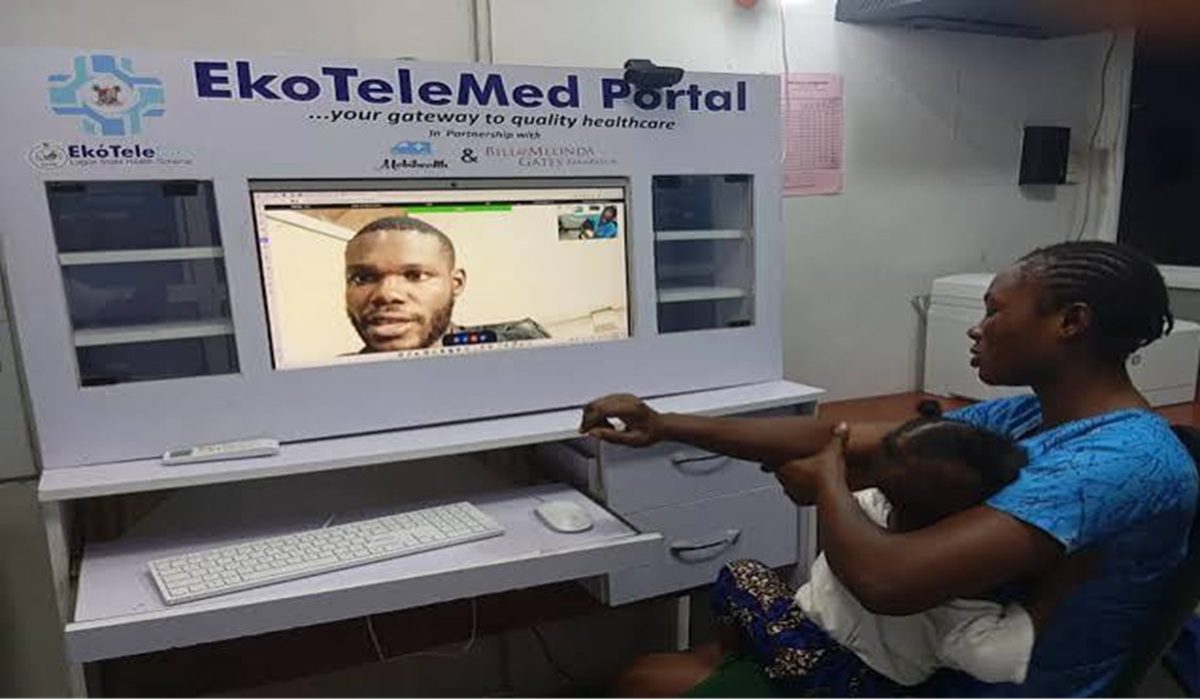
Picture this. You wake up with a fever, a sore throat, and that nauseous feeling that tells you something is wrong. In the past, your options in Nigeria were limited: drag yourself to a hospital, sit in a waiting room for hours, pay for a consultation, and hope the pharmacy nearby has your medication.
For millions of Nigerians, that process alone was enough to make them remain at home, take whatever medications they could muster at home and hope for the best.
Now imagine opening an app, typing your symptoms to a doctor, getting a diagnosis in twenty minutes, and having medication delivered to your door. No queue. No transport cost. No half-day lost.
That is telemedicine, and for a long time, Nigerians were not enamoured with it. But something has shifted, and the people building healthcare startups in Nigeria can no longer ignore it.
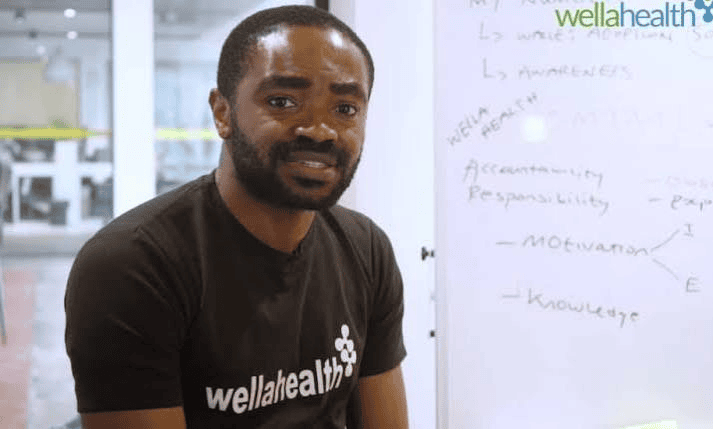
Ikpeme Neto, CEO of WellaHealth and one of Nigeria’s strongest healthtech voices, recently published an analysis arguing that telemedicine in Nigeria has reached what he calls an inflexion point. He should know; he was one of the folks who called it a dead end back in 2018. Now he has changed his mind. And the reasons he gives for that change are worth considering.
What telemedicine is and why it struggled for so long in Nigeria
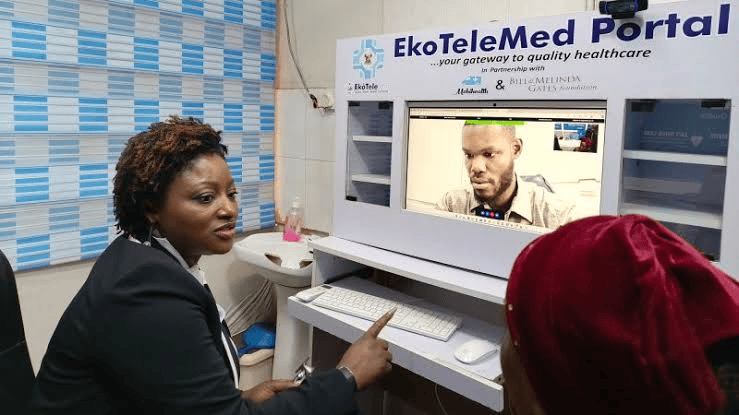
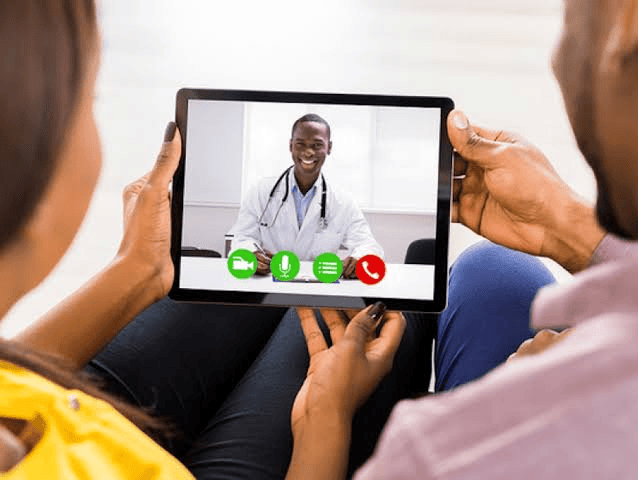
Telemedicine, simply put, is seeing a doctor without being in the same room as them. It can happen over a phone call, a video chat, a WhatsApp message, or an app. The doctor asks you questions, looks at your symptoms, and tells you what to do, just like a physical consultation, except you are at home and they are somewhere else entirely.
The idea is not new. Nigeria had at least 23 telemedicine startups as far back as 2018, according to a TechCabal report from that year. They had secured partnerships with HMOs, Health Maintenance Organisations, the companies that manage health insurance for employees, and with financial institutions. On paper, the opportunity looked enormous.
In practice, almost nobody was using the services.
Neto recalls speaking to the CEO of a leading HMO in 2019, before the COVID-19 pandemic, who told him that fewer than 5% of their enrollees had ever used the telemedicine feature, even though it was completely free. The HMO had outsourced the service to a startup. Poor adoption eventually led them to reconsider the partnership. That startup, like many others from the same era, did not survive.
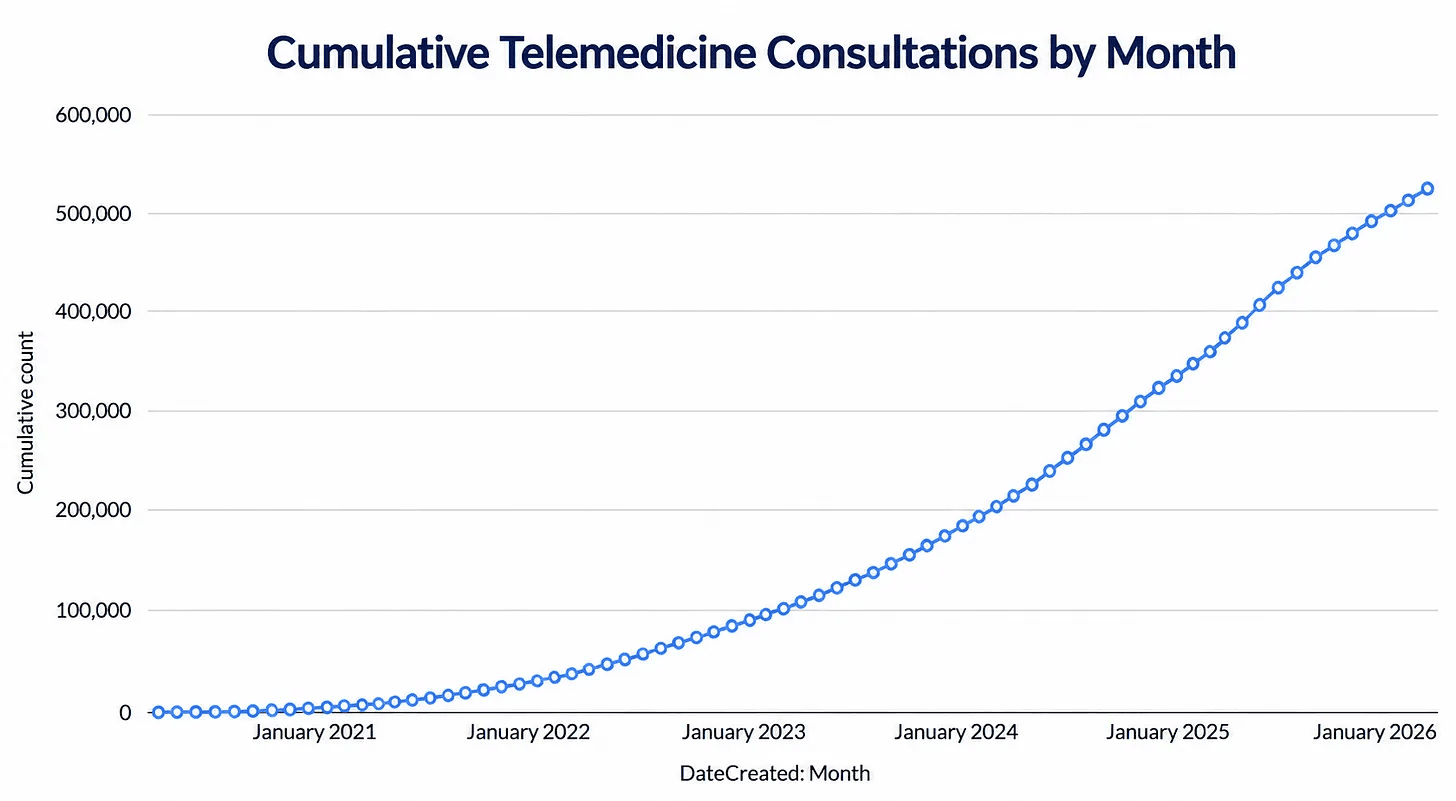
Today, over 50% of the telemedicine startups that existed in Nigeria during that period are gone, according to TechCabal’s State of Healthtech in Nigeria 2026 report.
Neto had predicted this in 2018. He identified three reasons telemedicine would struggle: people did not know it existed, they were not sure who would pay for it, and when they were sick, they wanted to see a human being in person, not talk to a screen. He turned out to be right. For a while.
Three things that changed in telemedicine and why it feels different now
Fast forward to 2025. Neto is moderating a focus group with young Nigerians who regularly use fintech apps. The topic drifts to telemedicine. And one participant says something that stops him: “I would switch my HMO if they took away the telemedicine option.”
That is not a person tolerating telemedicine. That is a person who considers it non-negotiable. And it was not just one person saying it.
So what changed? Neto points to three things.
The first is that startups forced awareness into the market. Reliance Health, which started life as Kangpe, a telemedicine startup that went through Y Combinator before pivoting to become a full HMO, made telemedicine the centrepiece of its product rather than burying it as a side feature. They invested in the experience, built integrations with over 2,000 pharmacies for medicine delivery, and marketed it aggressively.
Similar read: ‘Lack of doctors the biggest telemedicine challenge’- MyMedicalBank CEO Ayo Adebamowo
Patients who tried it started asking why other HMOs could not do the same. Other HMOs felt the pressure and invested. Heala emerged to help HMOs build better telemedicine experiences. MobiHealth partnered with MedPlus to offer in-store telemedicine services. Awareness did not grow from government campaigns; it grew because startups kept pushing until people understood what they were being offered.
The second thing that changed is the business model. Early telemedicine startups were caught in a loop: low demand meant weak revenue, which meant they could not invest in better doctors or smoother experiences, which meant the product stayed mediocre, which kept demand low. That loop is breaking. HMOs are now willing to pay for telemedicine because they see it as a cost-saving tool: a patient consulting a doctor virtually for a minor illness does not need to visit a hospital, which reduces costs for the HMO.
Micro-health plans are bundling telemedicine into broader workplace benefit packages, removing the need for users to make a separate decision to pay. A profitable flywheel is replacing the old death loop.
The third change is the one Neto admits he underestimated: Nigerians have simply become more comfortable with doing important things on their phones. Fintech did a lot of this work. OPay, Moniepoint, and PalmPay spent years convincing millions of Nigerians that it was safe and normal to send money, pay bills, and manage finances through an app. That trust built a kind of behavioural infrastructure that telemedicine is now inheriting. If you trust an app with your money, trusting it with a health consultation feels less like a leap.
The pandemic helped too. But the deeper shift is generational. Gen Z, the oldest of whom are now approaching 30, grew up online. For them, a meaningful interaction happening through a screen is not strange. It is expected.
And even older Nigerians are catching up. As Neto puts it, his once very tech-phobic mother now texts on WhatsApp daily and watches YouTube regularly. The digital comfort that once belonged only to younger people is spreading.
Who’s still in the telemedicine industry and what comes next
The Nigerian telemedicine space today looks very different from 2018. Many of the early players did not make it. But the ones that survived and the new ones that have emerged are operating in a much more receptive market.
- Reliance Health remains one of the most prominent, having raised over $50 million and built a telemedicine-first HMO model that has influenced the entire industry.
- WellaHealth, Neto’s own company, is active in the space. Heala continues to work with HMOs on improving virtual care. MobiHealth has been expanding its reach through pharmacy partnerships.
- Helium Health, while broader than telemedicine, has built significant health infrastructure that supports digital care delivery.
The opportunity ahead is massive. Nigeria’s formal HMO market has around two million enrolled customers, a fraction of the population. But the larger prize is the tens of millions of Nigerians who need outpatient healthcare every year and currently navigate a fragmented, expensive, and physically demanding system to get it. Many of those consultations, minor illnesses, follow-ups, medication refills, basic triage, could happen virtually.
The first wave of Nigerian telemedicine startups may have been too early. They were selling to a market that was not ready. The market is now catching up. And the young Nigerian who said they would switch HMOs if telemedicine was removed is not an exception; she is a preview of who the average Nigerian health consumer is becoming.
Also read: Telemedicine Could Bring Doctors Closer to Nigerians, But Here’s Why It’s Not Yet Our Thing
