


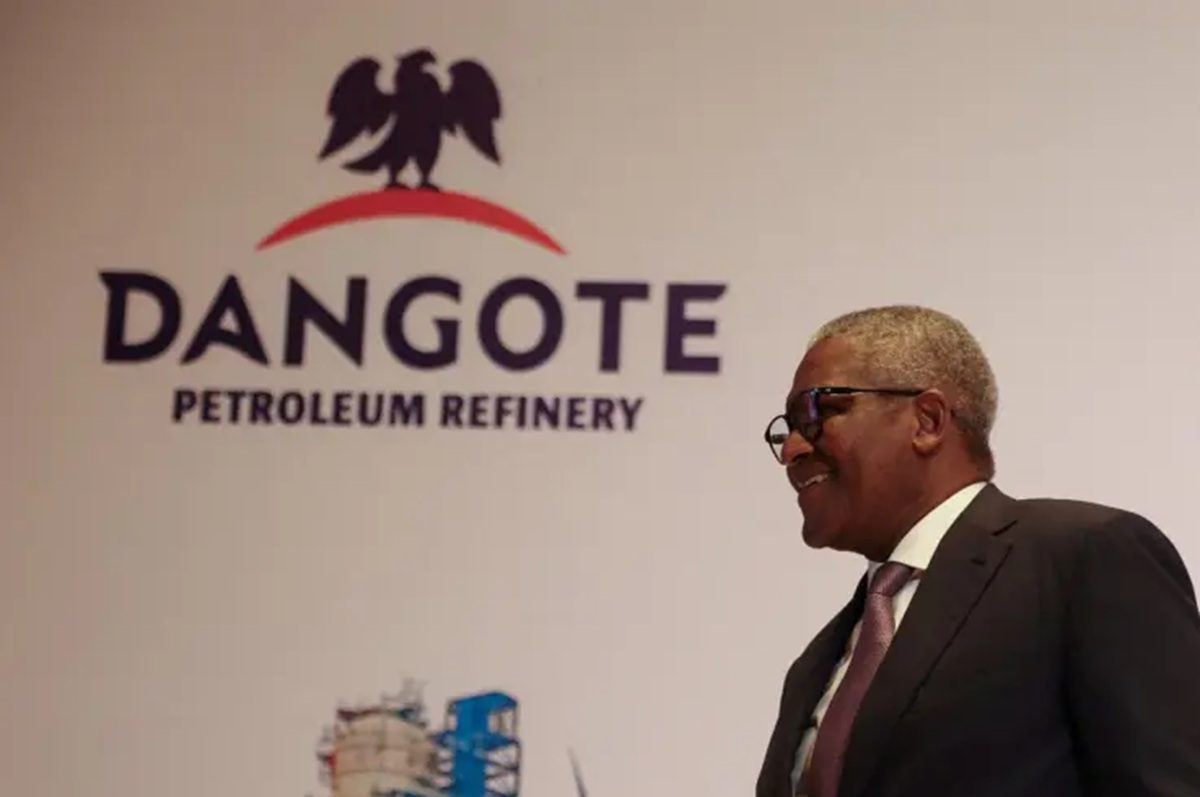
Kenya has confirmed that Aliko Dangote’s proposed $16 billion oil refinery in Lamu qualifies for tax exemptions. This could lower the cost of importing the equipment and machinery the project needs.
Treasury Secretary John Mbadi noted that the investment meets the minimum capital requirement set by Kenyan law, which is 5 billion Kenyan shillings (about $38 million) to qualify for these tax incentives. The refinery is expected to process 700,000 barrels of crude oil daily and will serve both Kenya and other East African markets. Its capacity matches Dangote’s existing refinery in Lagos, Nigeria.

In an interview with a Nairobi-based media outlet, Mbadi explained that the capital goods imported for the refinery project would be exempt from taxes like value-added tax (VAT), excise duty, and the railway development levy. This means that the machinery, equipment, and other eligible goods brought into Kenya for building the refinery can receive tax relief.
Similar read: Uganda approves Dangote Refinery IPO, opening $1.6bn offer to local investors
Although Dangote’s company has already paid taxes on some equipment needed to start the project, Mbadi mentioned that they could claim this money back: “They must have paid. Then they will claim, and we will give them.” The Treasury Secretary added that the company will need to make a formal request to access these exemptions.

Dangote’s refinery targets East African fuel market
The Lamu refinery is part of Dangote’s strategy to expand his energy business beyond Nigeria and lessen East Africa’s dependence on imported refined petroleum products. The project was officially launched on September 30, 2026, by Dangote and Kenyan President William Ruto, along with other African leaders. Construction is slated to take around 40 months, aiming for completion around 2030.
In addition to refining crude oil, the planned complex will include petrochemical facilities and supporting infrastructure, making it a significant industrial investment for the region. Kenya is also looking to lure large-scale investments through tax incentives, though these exemptions will lead to some lost revenue from qualifying imports.
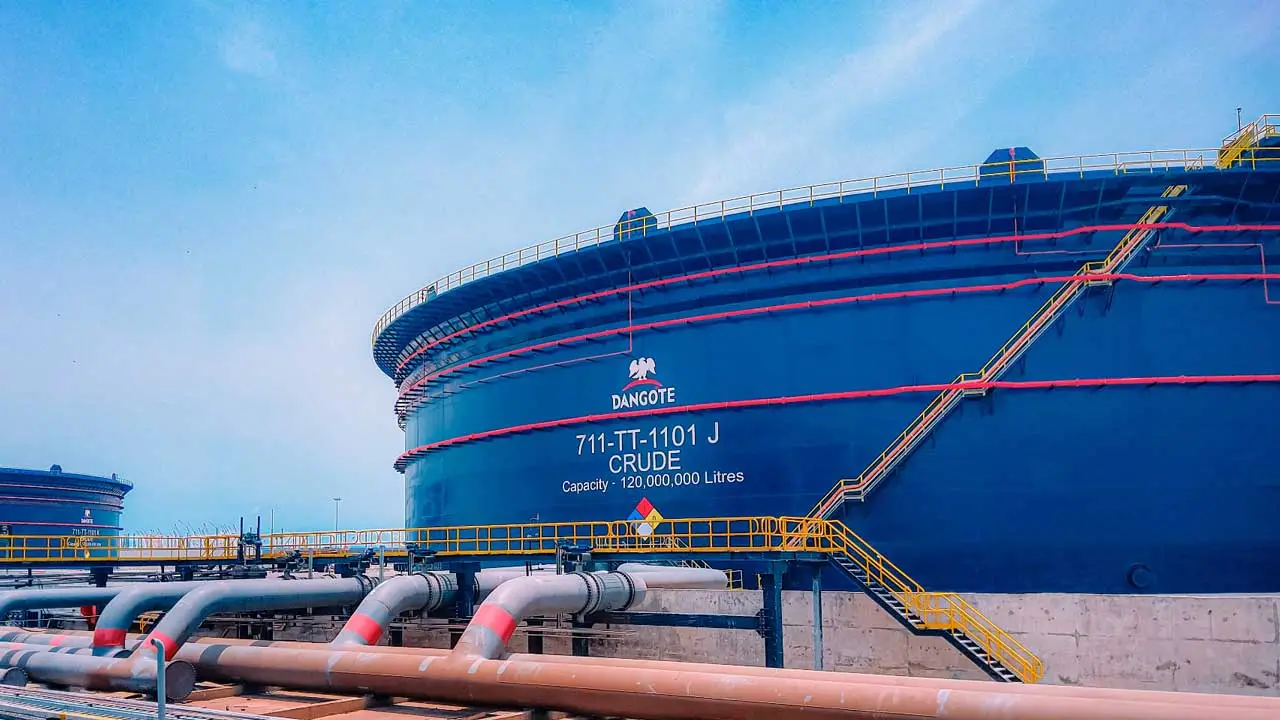
For Dangote, the tax relief could help reduce the costs of importing the necessary equipment for the refinery. Meanwhile, Kenya hopes to gain benefits such as industrial development, job creation, and reduced reliance on imported fuel.
Read also: Bamboo’s ₦99bn Dangote Refinery IPO subscriptions put fintech ahead of major banks
It is important to note that these tax exemptions do not equate to full approval of the entire project, which is already in its development phase.
