




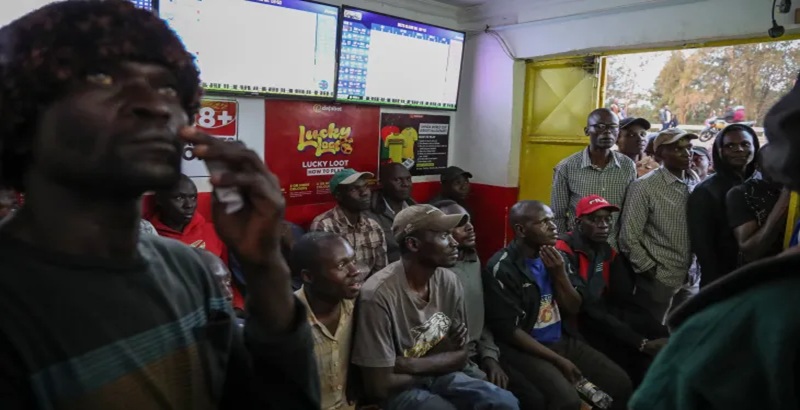
Kenya’s Gambling Regulatory Authority is developing a central platform that will provide regulators with direct, real-time access to transactions from all licensed betting companies, casinos, and lottery operators in the country. This new system will replace the previous method, where operators primarily self-reported their own figures.
The Director-General of the Gambling Regulatory Authority (GRA), Peter Karimi, recently unveiled a new plan at the Gaming Tech Summit Africa in Nairobi. This initiative mandates that all licensed gaming operators integrate their systems with a central monitoring platform.
This platform will provide the GRA with real-time transaction data, eliminating the current delay of days or months associated with periodic reporting.
Kenya’s gambling tax revenue is on the rise, with collections growing about 12% from KES 25.24 billion to KES 28.45 billion by April 2026. Projections suggest full-year collections could reach nearly KES 40 billion. This increase follows reforms in 2026 that changed the betting tax from being based on winnings to a tax on deposits and withdrawals, significantly expanding the tax base.

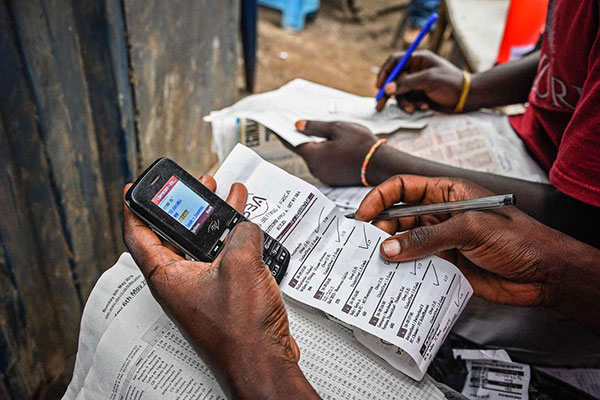
Real-time transaction access would make it considerably harder for any operator to underreport volume and underpay taxes owed. Kenya’s betting market is large and growing; the country has one of the highest mobile betting penetration rates in Africa, with platforms like SportPesa, Odibets, and Betika serving millions of registered users.
Regulating online betting has proven challenging, and the GRA has cautioned that Kenyans using unlicensed platforms have limited options if their funds disappear or disputes occur.
The platform is not just for tax enforcement. The GRA will collaborate with the Communications Authority of Kenya, the Central Bank of Kenya, and the Financial Reporting Centre to identify unusual financial activities. Due to the large volume of digital payments in gambling, agencies focused on money laundering have been paying close attention.
Access to transaction-level data would allow authorities to detect suspicious financial flows much more quickly than relying on periodic reports.

Kenya tightens oversight of betting industry
The GRA took over responsibilities from the Betting Control and Licensing Board earlier this year under the Gambling Control Act of 2025, which replaced regulations that had been in place since the 1960s. The authority has stated plans to hire nearly 200 staff members, invest in surveillance systems, and implement a completely new licensing regime.
Participants at the summit argued that stricter oversight benefits compliant operators by clarifying the distinction between licensed firms and illegal rivals that do not meet local requirements.
No timeline for implementation has been announced. The GRA stated that integration with licensed operators will be a core requirement once the framework is operational.
Similar read: How poverty and lack are funding Nigeria’s N5.6trn online gambling market
