




Cybersecurity has always been associated with hackers, suspicious links, stolen passwords and the software designed to stop digital attacks. But behind the systems that protect our money, data and online activities are people making critical decisions about how technology should be secured.
Some investigate digital threats. Others lead security teams at global technology companies, protect banking infrastructure or teach people how to recognise online scams. Their work helps individuals, businesses and governments identify risks and use technology more securely.
As the world marks Cybersecurity Awareness Month this October, we are spotlighting eight women whose careers demonstrate the different ways women are contributing to a safer digital world.
The National Cybersecurity Alliance describes Cybersecurity Awareness Month as a global initiative held every October to raise awareness about online safety and empower individuals and businesses to protect themselves from cybercrime.
Illustration: Danielle Ferrell/UNCW & Carl/stock.adobe.com. Source: University of North Carolina Wilmington
“Staying safe online isn’t about making one perfect decision. It’s about building habits and repeating them consistently in the small moments that happen every day. In doing this, we can all make life difficult for cybercriminals,” they said in a published awareness report.
But these habits need people who understand the threats, build the tools to counter them and lead the institutions responsible for protecting our digital lives. Across Nigeria and the global technology industry, women are doing precisely that.
These eight women work in different areas of cybersecurity, but their careers share a common purpose of protecting the people, organisations and systems that depend on technology. From threat intelligence and banking security to internet infrastructure and cybersecurity education, their work demonstrates how many disciplines contribute to a safer digital environment.
1. Confidence Staveley, Founder of CyberSafe Foundation

Confidence Staveley has spent 15 years working in cybersecurity to make digital safety knowledge more accessible to everyone.
She founded CyberSafe Foundation, an organisation focused on improving digital inclusion and cybersecurity awareness. Through its programmes, the foundation works to help individuals and communities understand online risks while creating opportunities for women and girls to develop cybersecurity skills.
Among its initiatives are programmes designed to expand access to cybersecurity education and support participation by women in the technology industry.
Phishing messages, fraudulent job offers, impersonation and financial scams can target people regardless of their level of technical expertise. Teaching users to verify suspicious requests, secure their accounts and report scams can reduce their exposure to these threats.
Staveley’s work makes her an important voice in cybersecurity awareness because it connects the technical side of digital protection with the everyday experiences of internet users.
2. Michelle Zatlyn, Co-founder and President of Cloudflare

Much of the internet’s security infrastructure operates out of public view. When a website loads quickly or remains available during a surge in malicious traffic, users may never know that systems are working behind the scenes to manage that traffic and protect the service.
Michelle Zatlyn is one of the people helping build that infrastructure. She co-founded Cloudflare in 2009 with Matthew Prince and Lee Holloway and later became its president. The company provides internet infrastructure and security services that help websites and applications manage traffic, defend against distributed denial-of-service (DDoS) attacks and maintain performance.
Cloudflare’s role became particularly visible during incidents that disrupted its own services. In June 2022, a network configuration change caused an outage affecting 19 data centres, disrupting access to websites and services that relied on those locations. The company attributed the incident to an internal configuration error rather than a cyberattack.
In June 2025, Cloudflare experienced another major disruption affecting several services, including Workers KV, WARP and Access. The incident lasted two hours and 28 minutes and was linked to a failure in underlying storage infrastructure involving a third-party cloud provider.
These incidents reveal an important distinction: cybersecurity is not limited to stopping malicious actors. It also involves reliability, operational resilience and the ability to recover when infrastructure fails. Even companies whose products help protect the internet can experience disruptions, and the consequences can spread to the services that depend on them.
Zatlyn’s leadership at Cloudflare offers a useful perspective on the scale of modern internet infrastructure. Building a safer digital world requires organisations to anticipate risks, understand their dependencies and learn from failures so that essential services can become more resilient.
3. Patricia Eromosele, President of the Women in CyberSecurity Nigeria Affiliate
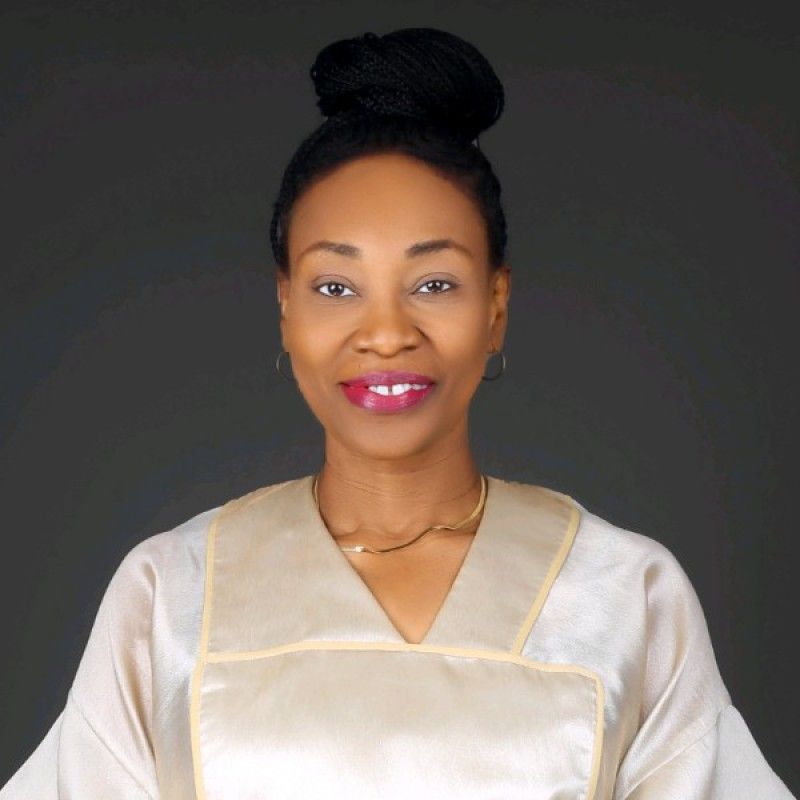
With more than 18 years of experience in information technology, data protection and governance, Patricia Eromosele has built a career around strengthening digital security and the institutions responsible for it.
She leads the Women in CyberSecurity (WiCyS) Nigeria Affiliate, serves as CEO of Cyber Astridia and is the Africa Chapter director for the Global Anti-Scam Alliance (GASA).
Her work spans professional leadership, cybersecurity advocacy and the fight against online scams. Through these roles, she contributes to conversations about digital trust, responsible technology use and the need for stronger collaboration between cybersecurity professionals.
4. Sandra Joyce, Vice President of Google Threat Intelligence Group (GTIG) at Google Cloud
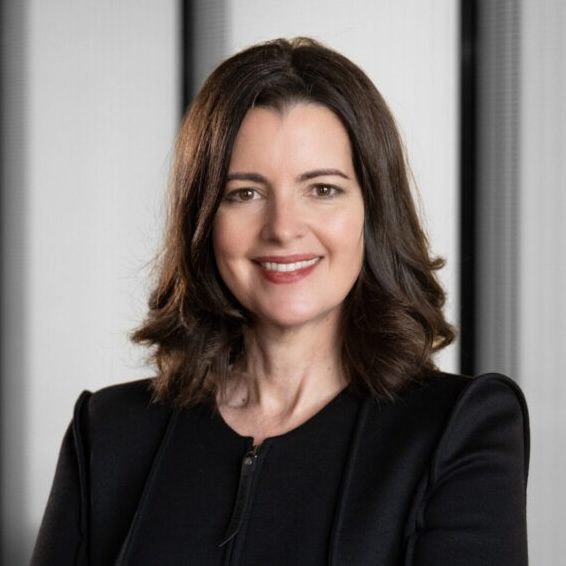
Understanding a cyberattack requires more than identifying a suspicious email or detecting unusual activity on a computer. As vice president of Google’s Threat Intelligence Group, Joyce works in an area focused on analysing cyber threats and helping organisations understand the risks they face.
Threat intelligence involves collecting and analysing information about cybercriminals, malicious software, attack methods and emerging digital threats to help organisations prepare their defences.
She has built a career around understanding how cyber threats develop and how organisations can respond to them. This work is particularly important because organisations cannot defend themselves effectively against threats they do not understand.
5. Nkiruka Joy Aimienoho, Chief Information Security Officer at Standard Chartered Bank Nigeria

Banking has become increasingly digital, making the protection of customer information and financial transactions a central responsibility for financial institutions.
Nkiruka Joy Aimienoho has built her career in this space, helping organisations navigate some of their most challenging resilience, information and cybersecurity moments within 16 years.
She serves as the CISO of Standard Chartered Bank Nigeria, Botswana, Zambia & Côte d’Ivoire. Her career began at MTN Nigeria in 2008, working in information systems support. She subsequently moved into information security consulting and IT standards at Digital Jewels Africa before joining PwC, where she held progressively senior cybersecurity positions.
This reflects how cybersecurity expertise can develop from understanding the technology that businesses depend on to managing the risks that could threaten their operations.
6. Vasu Jakkal, Former Corporate Vice President Security, Compliance, Identity, Management & Privacy at Microsoft
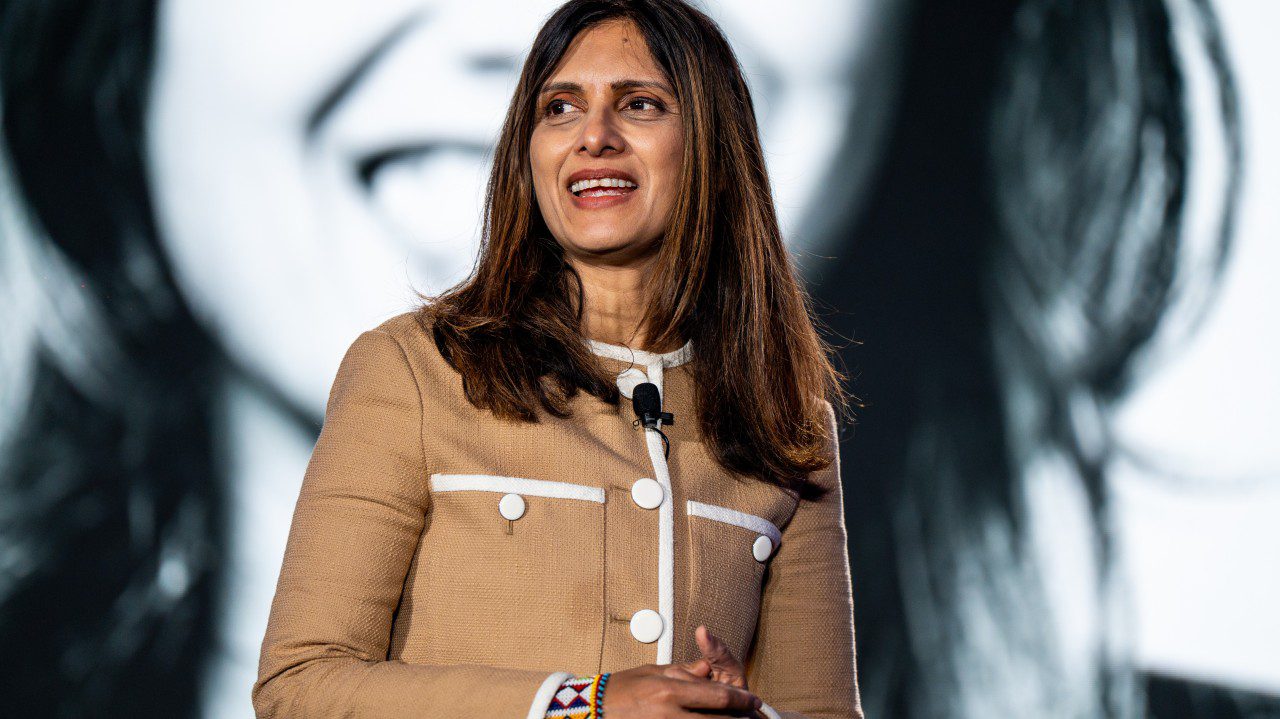
Vasu Jakkal has spent over 2 decades of her career helping technology companies address the security challenges that accompany increasingly connected systems.
During her time at Microsoft, she held senior leadership responsibilities spanning security, compliance, identity, management and privacy.
Currently, she works as the Chief Strategy and Business Officer at Armadin, an organisation redefining security for the agentic era and building autonomous preventive security so organisations can catch and prevent threats before the attacker sees them.
7. Favour Femi-Oyewole, Group Chief Information Security Officer at Access Bank

Favour Femi-Oyewole serves as Group Chief Information Security Officer and Data Protection Officer at Access Bank Plc. Her professional background includes information technology, enterprise risk management, information security, business continuity and data protection.
Before joining Access Bank, she served as Group Head of Enterprise Risk Management at the Nigerian Stock Exchange, where her responsibilities included information security and business continuity. Her career reflects the close relationship between cybersecurity and the broader systems organisations use to manage operational risk.
For a bank, the consequences of a security incident can include interrupted services, compromised customer information and financial losses. Effective protection therefore requires clear security policies, monitoring, incident-response planning and an organisational culture that treats information security as a shared responsibility.
8. Eva Chen, Co-founder and CEO of Trend Micro
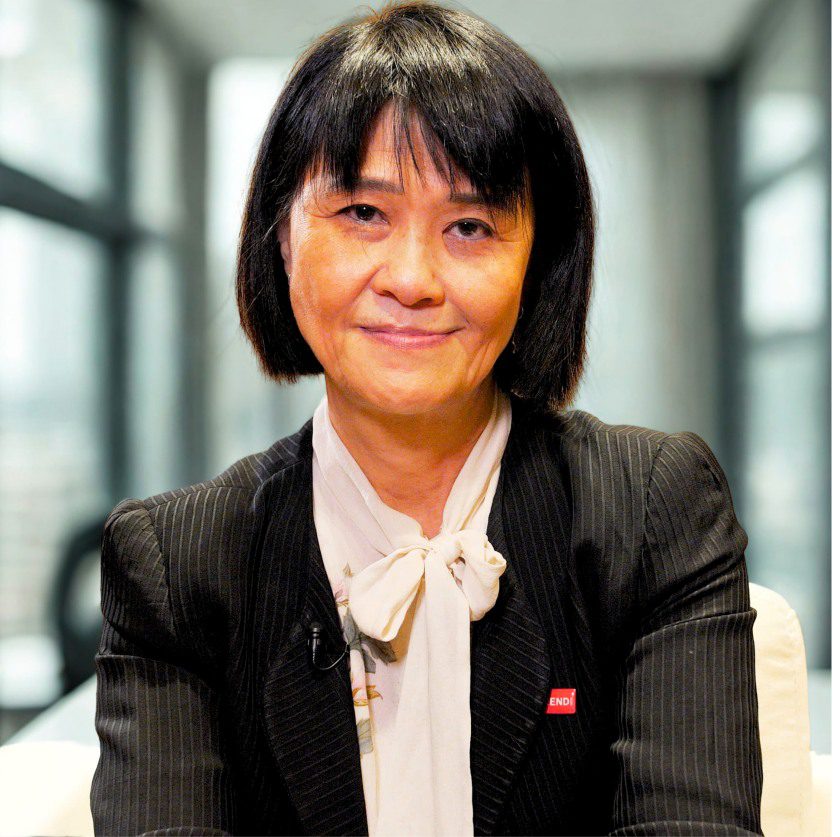
Cybersecurity has evolved alongside the technology it protects, and Eva Chen has been part of that evolution since co-founding Trend Micro in 1988. She became the company’s chief executive officer in 2004, following earlier roles as executive vice president and chief technology officer.
Trend Micro develops cybersecurity products and services for individuals, businesses and organisations, with work spanning areas such as endpoint protection, cloud security and threat defence. Its business reflects the industry’s continuing effort to protect systems as computing moves across personal devices, corporate networks and cloud platforms.
Chen’s long career offers a view of how cybersecurity has developed from a specialised concern into a critical part of modern technology.
As organisations adopt new tools and move more operations online, security providers must continually adapt their products and strategies to address emerging vulnerabilities and attack methods.
Read also: Tech Trivia with Adenuga Eniola, Cybersecurity Analyst at First Bank
