




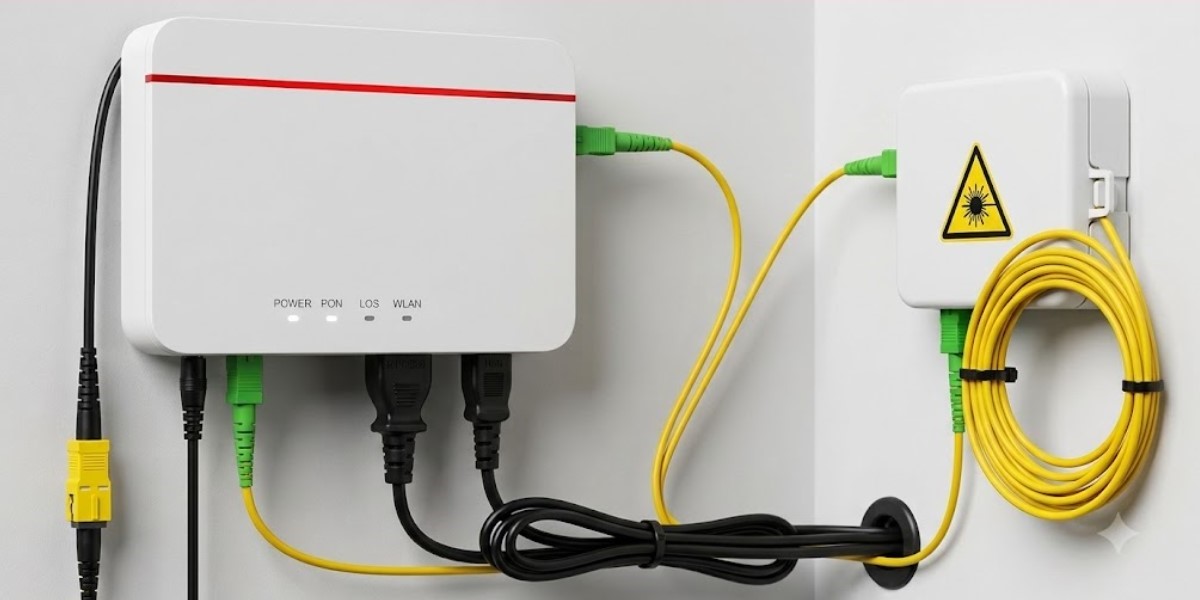
At a time when Nigeria’s demand for data internet has witnessed a significant surge, conversations have focused on how fibre-to-the-home (FTTH) and other current network infrastructure struggle to meet the rising demands.
Industry data reveals that Nigeria has 154.7 million internet users with data consumption averaging 1.34 million terabytes during the first four months of 2026, showing internet usage patterns and increased online penetration.
The need for more data and quality networks has seen Nigerians shift to broadband internet. The Nigerian Communications Commission’s (NCC) monthly data revealed that broadband internet subscribers have now reached 120.7 million, with penetration at 55.67%.
However, more statistics have revealed that the speed at which Nigerians demand quality data is faster than how telecom operators are deploying infrastructure and upgrading existing ones. This was the bedrock for the fibre-to-the-home conversation.

At Tuesday’s industry forum on fibre-to-the-home in Nigeria, NCC’s EVC, Aminu Maida, revealed that Nigeria has about 265,000 active fibre-to-the-home connections, showing how slow penetration and the infrastructure gap continue to place the country below other African countries.
The NCC boss shared that the low adoption underscores the need to expand FTTH at a time when demand for data and quality internet remains critical for individuals, businesses and the digital economy. It remains pertinent to bridge the connectivity gap when mobile connection.
The real issues
Beyond the 265,000 active fibre-to-the-home users comes the question of why adoption of home broadband internet is slow compared to increasing internet users, a surge in online presence and at a time when more naira are chasing data for purchase.
Typically, it’s expected that the recent spike in internet usage should translate to the FTTH that offers more speed and quality of service.
For instance, MTN FibreX added about 125,000 users within a year, a surge attributed to how its rebranding collided with internet penetration. This further shows how Nigerians have shifted from affording the cost of data to looking for value; a typical Nigerian wants to surf the internet without trotting.
Meanwhile, FTTH is lagging in expansion nationwide, leading to low adoption. An internet user cannot subscribe to a home broadband service when coverage isn’t available. Also, FTTH expansion to grant access to more Nigerians is still dragging amid online penetration, and a leading bottleneck is Right-of-Way (RoW).
In a conversation with Technext, Mr Olayinka Amoo, a Telecom Site Acquisition Specialist, tagged the RoW issue as a “complex one”. He mentioned that laying fibre can be challenging for operators as they need to knock on many doors to get RoW approved. This is more problematic in a rural setting or disorganised community.
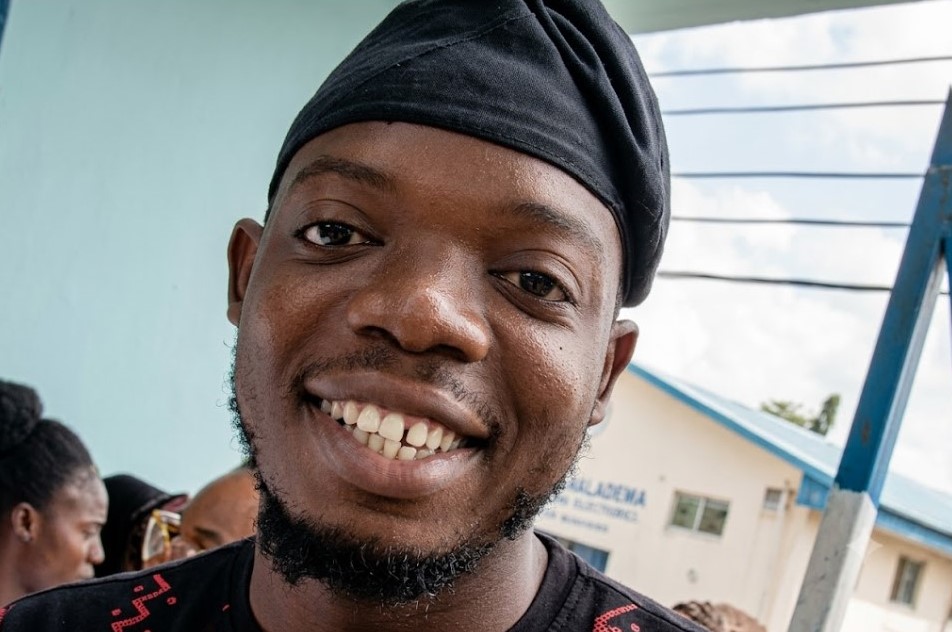
He explained that RoW is being charged ₦145 per meter, though unsure if that’s the current price or the rate that will later apply. “The major issue is still that the operator might end up paying more than ₦145.”
Mr Amoo added that “when you get there, to seek a permit, unlike the towers that we negotiate per plot, this is negotiated per meter. Come to think of how many kilometres to negotiate, coupled with other processes, official processes, and backdoor processes.”
Mr Amoo corroborates the claim that fibre-to-the-home slow adoption is not about customers’ affordability and more about rollout economics for operators. While deployment of fibre becomes strenuous and more costly, coverage and availability are cut shut leaving communities with gaps and dependent on mobile internet connection even when they want more.
Another issue is fibre cuts.
The expert noted that with every fibre cut, operators suffer huge losses without any compensation in place. At locations accustomed to frequent fibre cuts, telecom operators tend to make recurring repairs that might cause abandonment owing to financial implications.

In 2025 alone, operators recorded over 27,000 fibre cuts, along with thousands of access denials and equipment theft incidents. Leading telco, MTN Nigeria, suffered 9,218 cuts during the year, averaging over 25 incidents per day.
Aside from RoW and persistent fibre cuts, other identified issues are infrastructure gaps and affordability of router or broadband data subscription. However, the latter is not tagged as a leading cause owing to rollout gaps.
Also Read: Nigeria added 900,000 new internet users in April as broadband subscribers hit 120 million.
Accelerating fibre-to-the-home in Nigeria
Roughly 80-85% of Nigeria’s fibre-to-the-home deployment is concentrated in big cities such as Lagos, Rivers and FCT Abuja.
In fact, recent data shared by MTN Nigeria on its FibreX’s availability nationwide showed that while the service is available across 15 states and 232 locations, Lagos, Rivers and FCT had 83, 32 and 65 locations where FibreX is present.
That the three cities had 77.6% of all FibreX locations in Nigeria reflects the huge concentration on cities and where RoW approval posed minimal issues.
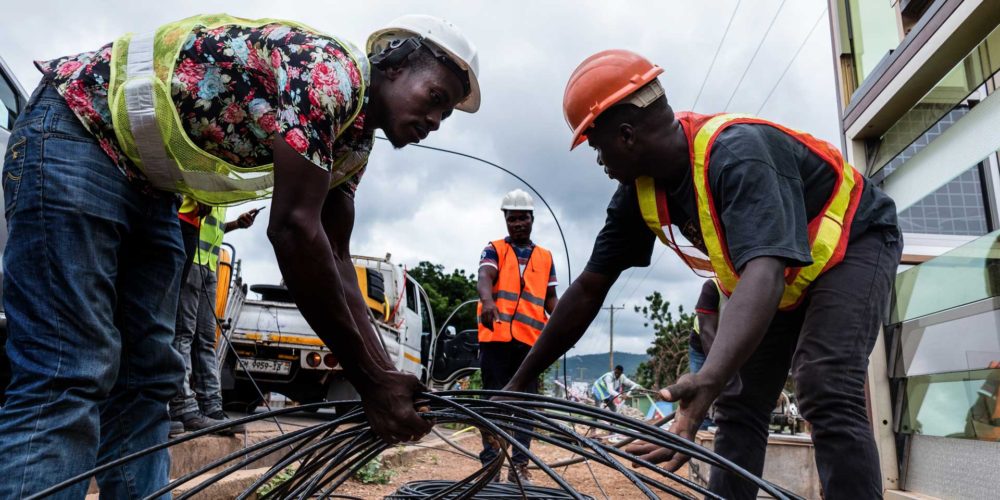
“There is a need for consistency in the payment structure and the reduction permit processes,” Mr Amoo said, noting that ROW and inconsistent state-level enforcement make the deployment expensive and unpredictable.
He therefore called for “a consistent state-level RoW enforcement that will move fibre-to-the-home rollout speed more than any consumer-side intervention.”
