





Authorities in Papua New Guinea have lifted the ban on Facebook following its move to cut off access in the country owing to a “counter-terrorism” operation. Citizens have been unable to access Meta’s Facebook and Messenger platforms after it went offline on Monday.
In what it described as a “test” to mitigate hate speech, misinformation, pornography, and “other detrimental content”, the Pacific nation shut down the social media platform on Monday.
After the test was completed, the Police Minister, Peter Tsiamalili, issued a statement on Wednesday praising a successful test of “innovative technology” to control the misuse of Facebook content. The Papua New Guinea Police Commissioner, David Manning, added that Facebook had been taken down as the force grappled with criminals abusing the social network.
“A counter-terrorism operation is under way to apprehend two men connected to attempts to incite an act of terrorism. Over the past hours, police had reduced the immediate threat to the community, and temporary restrictions on the Facebook social media platform have been removed,” the Police Commissioner said in a statement.

Manning noted that several offenders in a criminal network that “spreads far and wide” had used the social media platform to anonymously threaten violence, incite conflict and terrorist acts, and encourage acts fomenting social unrest.
“Decisive action allowed police to identify the main offenders, break up the network, and protect the community. Police were now seeking to identify other alleged co-offenders – both locals and expatriates – and target linked financial assets,” Manning said.
See Also: Meta may start charging for ad-free Facebook and Instagram use in the UK.
While admonishing Papua New Guinea residents to use social media with caution, the police chief noted that further details of the ongoing counter-terrorism operation would be released “at an appropriate time”.
With an estimated 1.3 million users, Facebook is by far the most popular social media platform in the country, with about half of the country’s estimated 2.6 million internet users. In comparison, Instagram has about 106,000 users.
The Papua New Guinea Facebook ban
After the ban on Monday, the Police Minister said the initiative was to ensure “responsible usage” of social media platforms like Facebook while keeping “harmful content” out of public discourse.
“We are not attempting to suppress free speech or restrict our citizens from expressing their viewpoints. “However, the unchecked proliferation of fake news, hate speech, pornography, child exploitation, and incitement to violence on platforms such as Facebook is unacceptable. These challenges increasingly threaten the safety, dignity, and well-being of our populace,” Tsiamalili said.
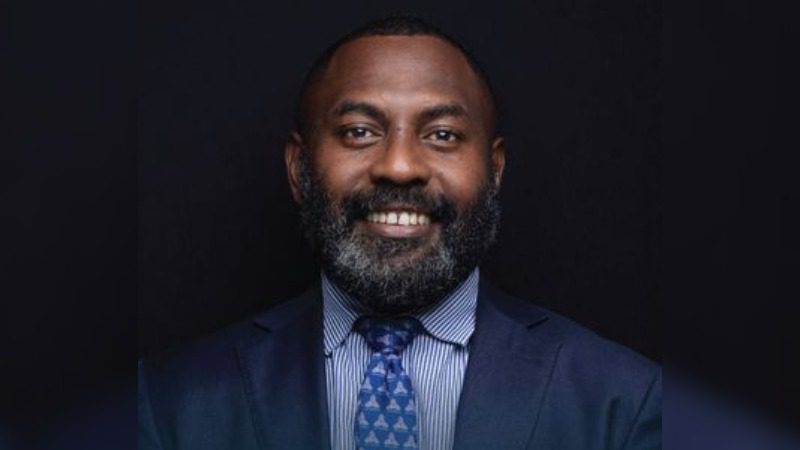
The ban sparked a heated debate in the country, with the President of the Media Council, Neville Choi, telling a local newspaper, the Post-Courier, that the move “borders on political autocracy, and an abuse of human rights”.
Also, Papua New Guinea opposition MP Allan Bird described the move as “draconian”, noting that the country is now heading into dangerous territory where everyone is powerless to stop this tyranny.
“Yesterday, the police minister used the anti-terrorism act to shut down Facebook. [that] was just a test, that was step one. There is no limit to the powers the minister of police can exercise under this new law. It is draconian law designed to take away our freedoms,” he said on Tuesday.
Papua New Guinea has long threatened a move against Facebook after announcing a parliamentary inquiry into “media disinformation” in 2023. The platform has been a critical tool for public discourse in the country, with many highly active forums utilizing it to discuss Papua New Guinea’s politics and social issues.
Owing to this, the government has been highly critical of Facebook, as it is often blamed for helping spread misinformation, particularly in light of a recent spate of tribal killings in the country.
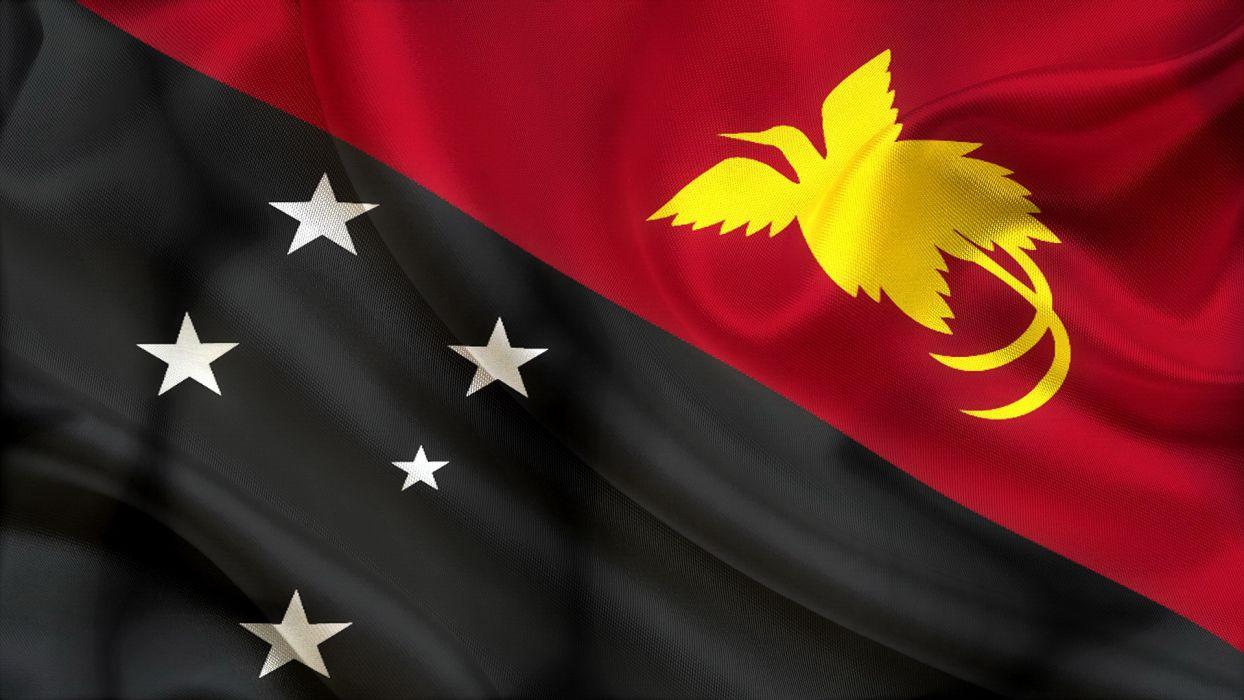
Papua New Guinea, officially the Independent State of Papua New Guinea, is a country in Oceania that comprises the eastern half of the island of New Guinea and offshore islands in Melanesia, a region of the southwestern Pacific Ocean north of Australia.
The Pacific country has a land border with Indonesia to the west and neighbours Australia to the south and the Solomon Islands to the east. Its capital, on its southern coast, is Port Moresby. The country is the world’s third largest island country, with an area of 462,840 km2
