





Iranian state authorities have issued a directive, urging citizens to delete WhatsApp from their devices, citing alleged data sharing between the Meta-owned app and Israeli intelligence. Announced in the state media, the move escalates Tehran’s long-standing push to regulate foreign tech amid renewed conflict with Israel.
The warning comes amid escalating military exchanges between Iran and Israel. Beginning June 12, a series of Israeli airstrikes targeted Iranian nuclear and military sites, prompting Iran to launch retaliatory missile and drone attacks. The war, now in its sixth day, has claimed over 200 lives from both sides. Iran has reportedly imposed targeted internet restrictions, disrupting civilian access and raising fears of a deeper cyber siege.
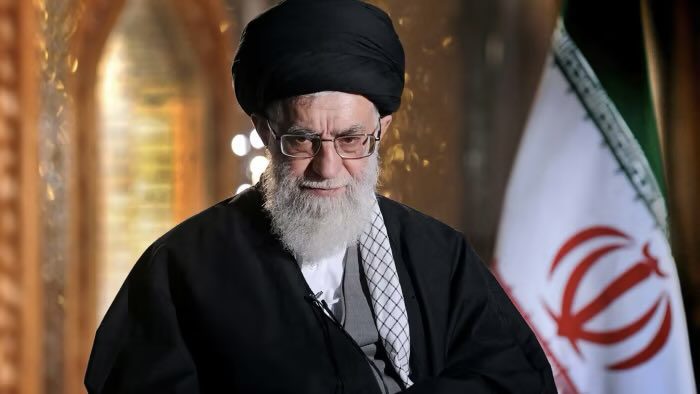
Against this backdrop, Iran’s official Islamic Republic of Iran Broadcasting (IRIB) alleged that WhatsApp collects sensitive user data, particularly “last‑known locations and communications”, and transmits them to Israeli intelligence.
WhatsApp denies transferring Iranian data to Israeli intelligence
Meta, WhatsApp’s parent company, swiftly rejected the accusations. In a press statement, the company emphasised its end‑to‑end encryption, noting that message contents, as well as precise user locations, are inaccessible to both Meta and governments.
“We do not track your precise location; we don’t keep logs of who everyone is messaging, and we do not provide bulk information to any government,” said a WhatsApp spokesperson, adding concern that what they called “false reports” could be used to justify restricting access when users most need it.
Iran’s televised announcement offered no concrete evidence linking WhatsApp to Israeli intelligence. Instead, it framed the move as part of a broader national security strategy during the ongoing conflict.
State officials also discouraged the use of other location-based apps and urged minimal internet use, citing concerns about espionage and cyber operations. At the same time, civil servants and security personnel have been barred from using any networked devices during the high alert.

The WhatsApp directive follows broader internet curbs imposed earlier in the week. Reports from NetBlocks and Cloudflare confirm a significant slowdown in international traffic, consistent with Iran’s pattern of throttling or selectively disconnecting to prevent cyber vulnerabilities.
Meanwhile, VPN demand within Iran has surged; TechRadar reported a staggering 700% increase in usage since June 13, as citizens scramble for routes around censorship, despite government attempts to throttle VPNs.
Iran’s population of 85 million includes roughly 50 million active WhatsApp users. The app remains integral for connecting families, businesses, and diaspora networks. A government-backed deletion campaign could significantly disrupt daily life, compounding challenges already posed by economic sanctions, the ongoing war and digital isolation.
Although Iran had previously blocked WhatsApp and Google Play during major protests, most notably after the 2022 death of Mahsa Amini, access was restored in December 2024. The current directive, while not yet a formal ban, is being viewed by tech analysts as a potential prelude to renewed restrictions.
International observers have raised concerns. A U.S. State Department spokesperson in a June 18 briefing described Iran’s announcement as part of a trend toward controlling information flow and curbing digital speech.

As the standoff lingers, the WhatsApp warning sits at the intersection of digital privacy and national security. Iran may soon push further, potentially extending the restrictions from WhatsApp to other social media platforms.
With public VPN usage soaring, Tehran seems to be bracing for citizen pushback while balancing regime control and communications infrastructure management.
Iran’s call to delete WhatsApp signals a dangerous trend for the average Iranian, who’s already under so much state censorship. As Israel and Iran continue to exchange blows across borders and networks, the privacy of tens of millions hangs in the balance. Whether Tehran advances to an outright ban or halves its ambitions, the move sets a precedent in how states can weaponise misinformation to shutter global platforms.
