


Starlink is preparing to launch its satellite-to-phone services (Starlink Mobile) in Botswana by early 2027, marking a major attempt to connect its low-orbit satellites to smartphones automatically.
A key industry issue satellite-to-phone seeks to solve is upgrading network access by providing wide-area connectivity to phones, especially when traditional towers fail. It also provides access to regions outside the coverage area and strengthens resilience where mobile and fibre infrastructure face practical limitations.
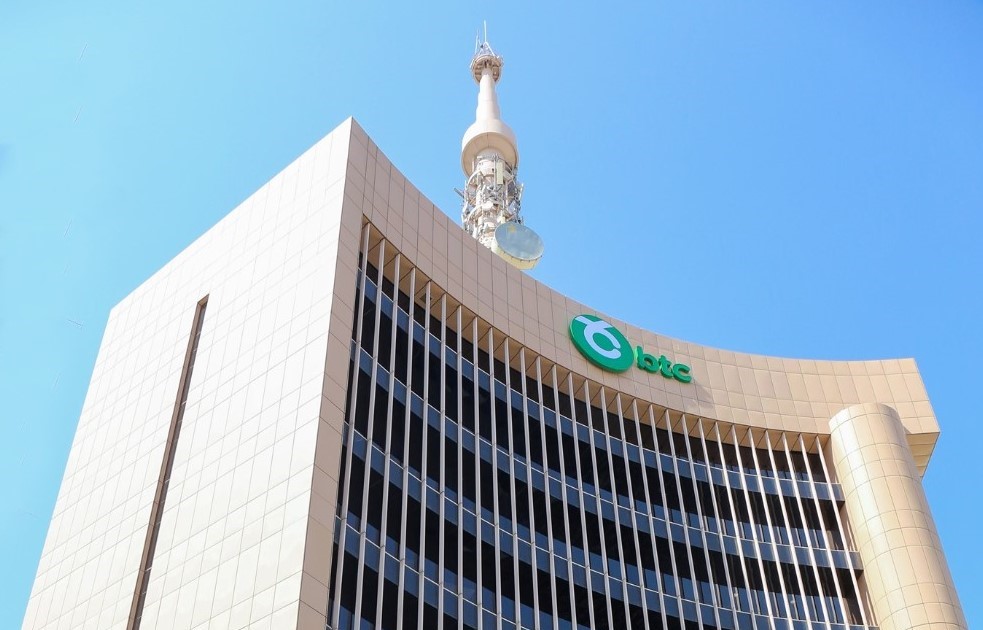
For deployment of the service, Starlink is expected to partner with the state-owned Botswana Telecommunications Corporation (BTC), and it’s yet unclear whether the deal needs separate approval from the Botswana Communications Regulatory Authority (BOCRA).
Also read: Starlink records $5.2bn revenue in Q3 2026 as subscribers hit 13.6 million.
Recall that in August, Airtel launched Africa’s first commercial satellite-to-mobile service in the Democratic Republic of the Congo (DRC) following groundwork preparations and a couple of pilot tests. While Botswana is aiming to be the second country to launch Starlink’s satellite-to-mobile service, it would be the first to launch the service nationwide.
As seen in DRC, compatible phones will connect to Starlink’s low-orbit satellites automatically when users leave the range of BTC’s land-based towers. BTC’s Chief Executive, Jurgen Peschel, noted that 4G-enabled phones and newer models will connect directly without needing extra hardware.
In addition, smartphones can connect with the satellites for SMS, map usage and light-data applications such as WhatsApp and Facebook without needing tower dependence or extra dishes.
As the service is set to launch by early 2027, details such as pricing, the list of compatible phones, and whether emergency calls will be supported have yet to be announced.
Botswana eyes tourism
According to BTC, Starlink’s Botswana service is mainly aimed at elevating its tourism ecosystem and boosting mining, agriculture, wildlife conservation and other sectors in thinly populated areas such as the Central Kalahari, the northern conservation corridors and remote areas where building a telecom tower is not economically viable.

Botswana, with about 2.6 million people, is one of the least densely populated countries in the world. Its vast parks and safari concessions in the north form an attraction for tourism earnings, and it is one of Africa’s top safari destinations.
Botswana protects roughly 37%–38% of its land in national parks, reserves, and wildlife management areas. Highlights of the attractions include the Okavango Delta, a UNESCO World Heritage inland delta reached by 4×4, boat, or traditional mokoro canoe, and the Chobe National Park, known for large elephant herds and riverfront cruises. Others are the Moremi Game Reserve, the Central Kalahari Game Reserve, Makgadikgadi Salt Pans, and Tsodilo Hills, known for their ancient rock art.
Botswana aims to attract tourists to these destinations by enabling satellite-to-mobile services to boost network speed.
Starlink already has a physical presence in Botswana, as BTC already resells its satellite broadband, which requires a dish, through its own packages. In May 2024, the communications regulator (BOCRA) licensed Starlink for operation, while the home broadband service went live in August of that year.
Satellite-to-phone: More to come in Africa
These innovative moves signify a new era in Africa, where telecom operators, through direct-to-cell, aim to close the connectivity gap by allowing devices to connect to satellite networks where traditional towers can’t reach.

According to a GSMA report, cited in its intelligence satellite tracker for the third quarter of 2026, Sub-Saharan Africa has the lowest share of mobile operators with satellite partnerships, at 13% against a global average of 19%. With internet penetration and data demands growing faster than telecom operators’ infrastructure investment, more Starlink Mobile is expected in 2027.
Airtel Africa, MTN, Vodacom and other African telecoms giants are already launching the service in some specific regions while they await regulatory approval in others. In early March, AXIAN Telecom partnered with AST SpaceMobile to launch satellite-to-phone broadband, enabling 4G/5G voice and data directly to standard mobile phones.
