




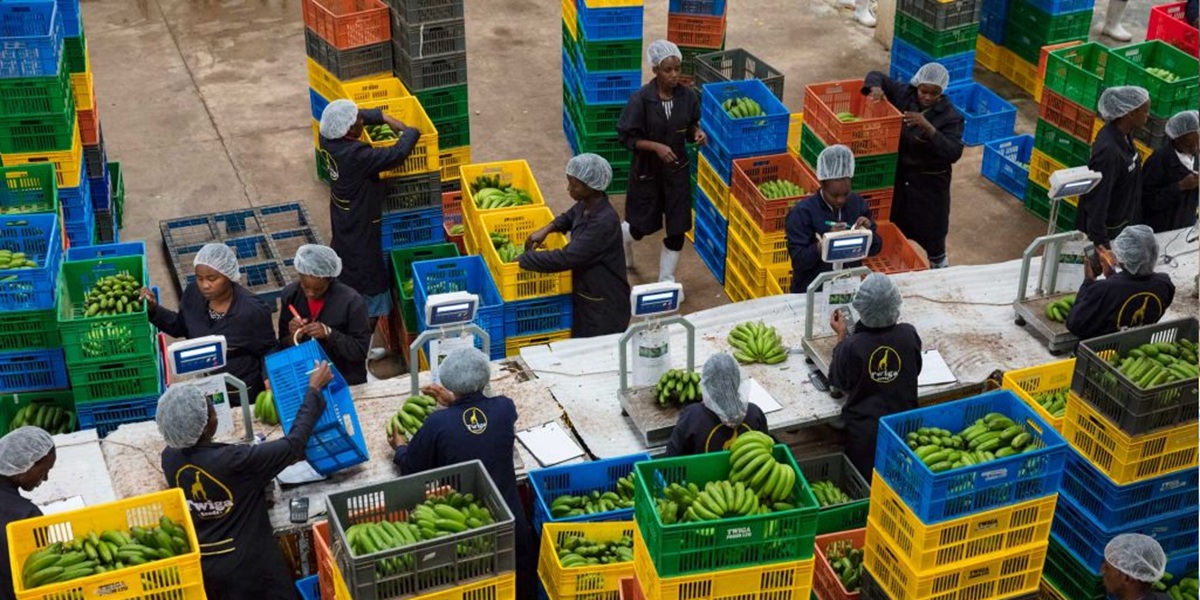
Twiga Foods, one of Africa’s top agritech startups, has put a part of its business, GT Flow Limited, into statutory administration due to ongoing financial struggles and creditor claims. This decision took effect on August 17, 2026, after the board at Twiga initiated the process according to Kenya’s Insolvency Act.
What this means is that an administrator has now taken control of GT Flow’s assets and operations. Creditors and suppliers have a 30-day window to submit their claims regarding what they are owed. However, it’s important to note that this doesn’t mean Twiga Foods is shutting down completely. Statutory administration gives a troubled company a chance to evaluate its situation and decide whether parts of the business can be saved, restructured, sold, or eventually closed down.
Twiga Foods, which was founded in 2014, has raised over $160 million through various rounds of funding from notable investors such as Goldman Sachs, the International Finance Corporation (IFC), Creadev, and TLcom.
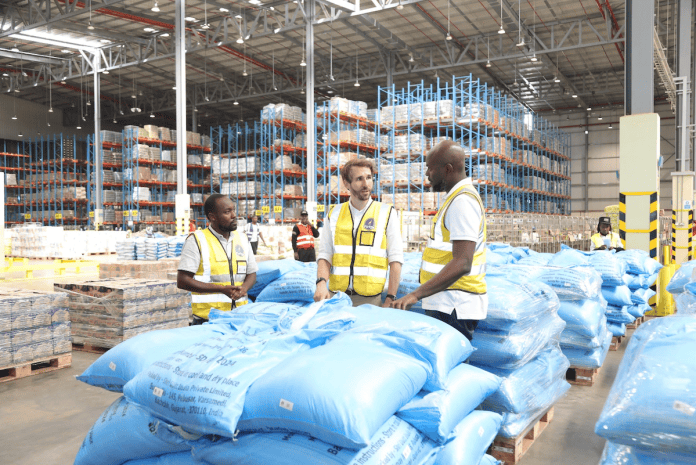
Some of the company’s major funding rounds include a $30 million debt-and-equity round in 2019, aimed at expanding its distribution network and supply chain, and a $50 million Series C round in 2021 to broaden its reach across East Africa while developing new food and consumer products.
In 2023, Twiga raised roughly $35 million in convertible financing as part of efforts to refinance the business and address outstanding obligations to suppliers. It’s also key to understand that the $160 million raised over the years does not simply sit in a bank account; rather, this capital has been crucial for building warehouses, expanding distribution infrastructure, entering new markets, supporting farmers, and managing its operational costs.
Similar read: Why Chowdeck CEO’s ₦100,000 weekly rider claim hit a raw nerve about Nigeria’s broken economy
In summary, while Twiga Foods is facing challenges, it is navigating them with the hope of finding a path forward, demonstrating resilience in a tough financial landscape.
Why Twiga still ended up in debt despite $160m funding
Twiga, a growing company, faced a significant challenge as it expanded its business. The expansion led to increased costs, making it harder to maintain profitability. This was primarily because the company had invested in warehouses, logistics networks, and other physical infrastructure, all while operating in a market where profit margins were quite slim.
One of the biggest financial burdens was its fulfilment centre at Tatu City, which became a hefty fixed expense, especially as the company struggled with cash flow.
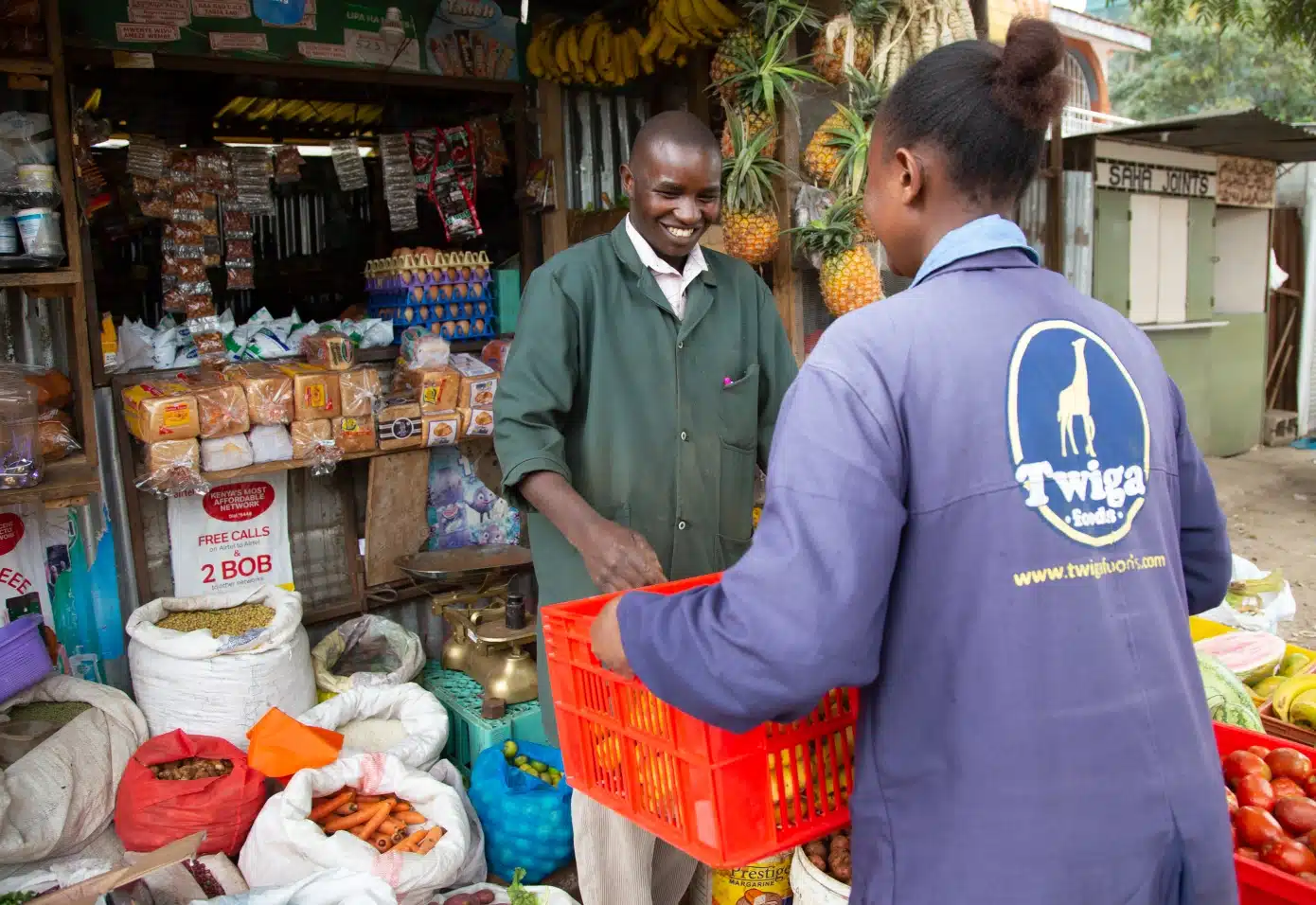
By 2023, Twiga found itself in a tough spot, having to reduce costs and lay off employees while managing delays in payments to suppliers. To navigate these challenges, Twiga shifted its strategy. Instead of owning so much infrastructure, the company decided to acquire distributors like Jumra, Sojpar, and Raisons, and began outsourcing more of its logistics operations.
This change was necessary as the investment landscape shifted; with global venture capital becoming scarcer, Twiga could no longer count on securing large funding rounds to bridge the gap between its expenses and the cash it generated internally.
Meanwhile, there was another layer to the crisis. The administration provided Twiga’s creditors with a formal way to register their claims, while efforts were made to assess the financial health of GT Flow, another related entity. Furthermore, creditors took legal action, petitioning Kenya’s High Court to liquidate Twiga Tatu SEZ Limited due to unpaid debts tied to the Tatu City operations.
As things stand, the crucial question for Twiga is whether it can successfully restructure its operations and liabilities to maintain a viable business model. Alternatively, there’s the looming threat that creditors may push for asset sales or even liquidation. The future of Twiga hangs in the balance, and the next steps will be critical for its survival.
Read also: Terra Industries wins $1m deal to protect Kaduna gold and lithium mining site
