





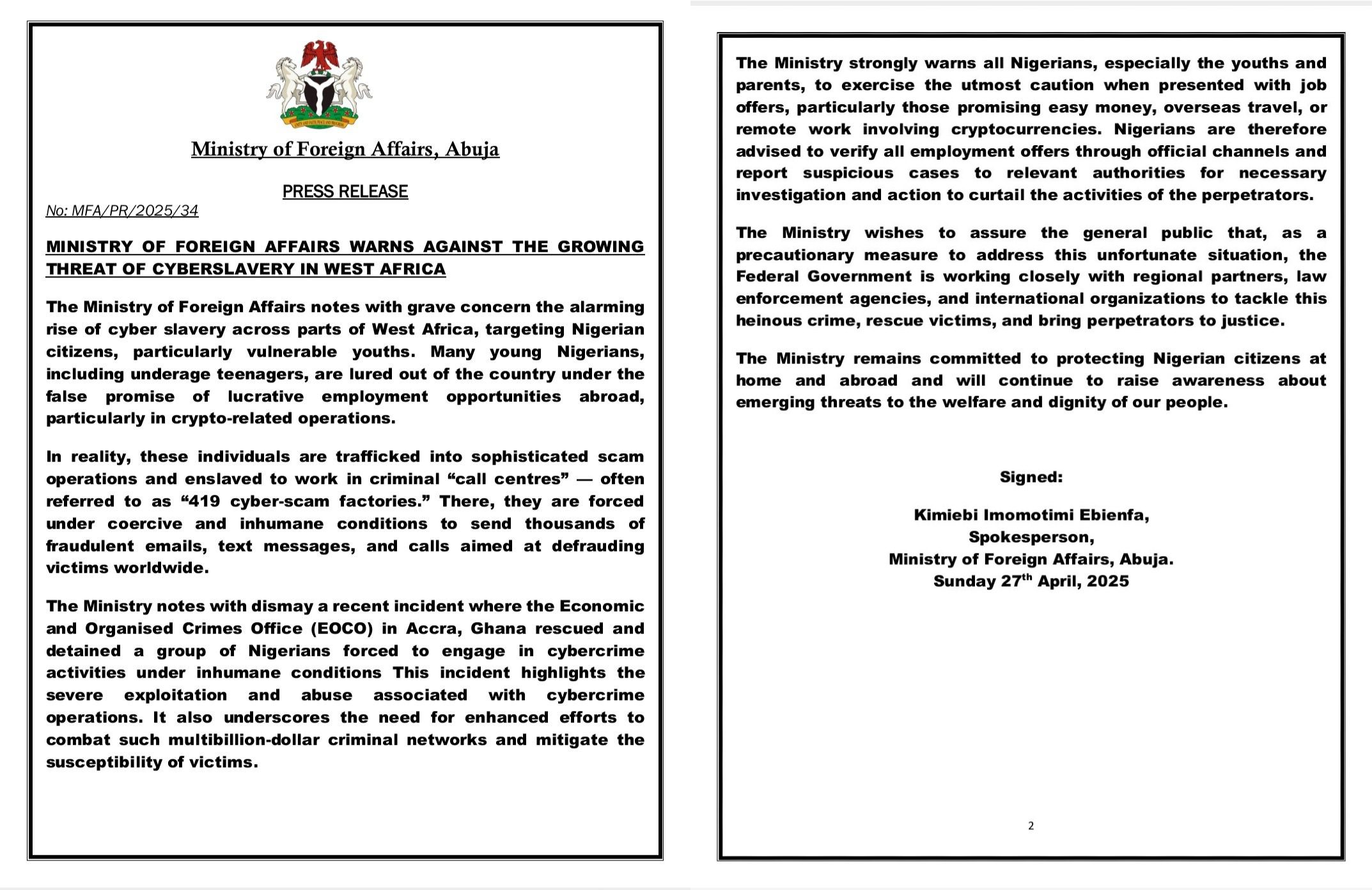
The Federal Government of Nigeria has warned Nigerians about the increase in cyber slavery targeting young people in the West African region. The cyber-human trafficking employs deceptive methods to lure underage Nigerians under the false promise of lucrative employment opportunities abroad.
A statement issued on Sunday and signed by the Ministry of Foreign Affairs’ spokesperson, Kimiebi Ebienfa, stated that the surge in cyber-slavery incidents in Nigeria is alarming, with youths being manipulated and forced into cybercrime networks, most especially crypto-related operations, under inhumane conditions.
According to the Ministry, these youths are trafficked into sophisticated scams and operate in criminal call centres, referred to as “419 cyber-scam factories”, where they are made to work under forced activity and inhumane conditions. Thereafter, they are coerced to send thousands of fraudulent emails, text messages, and calls aimed at defrauding victims worldwide.
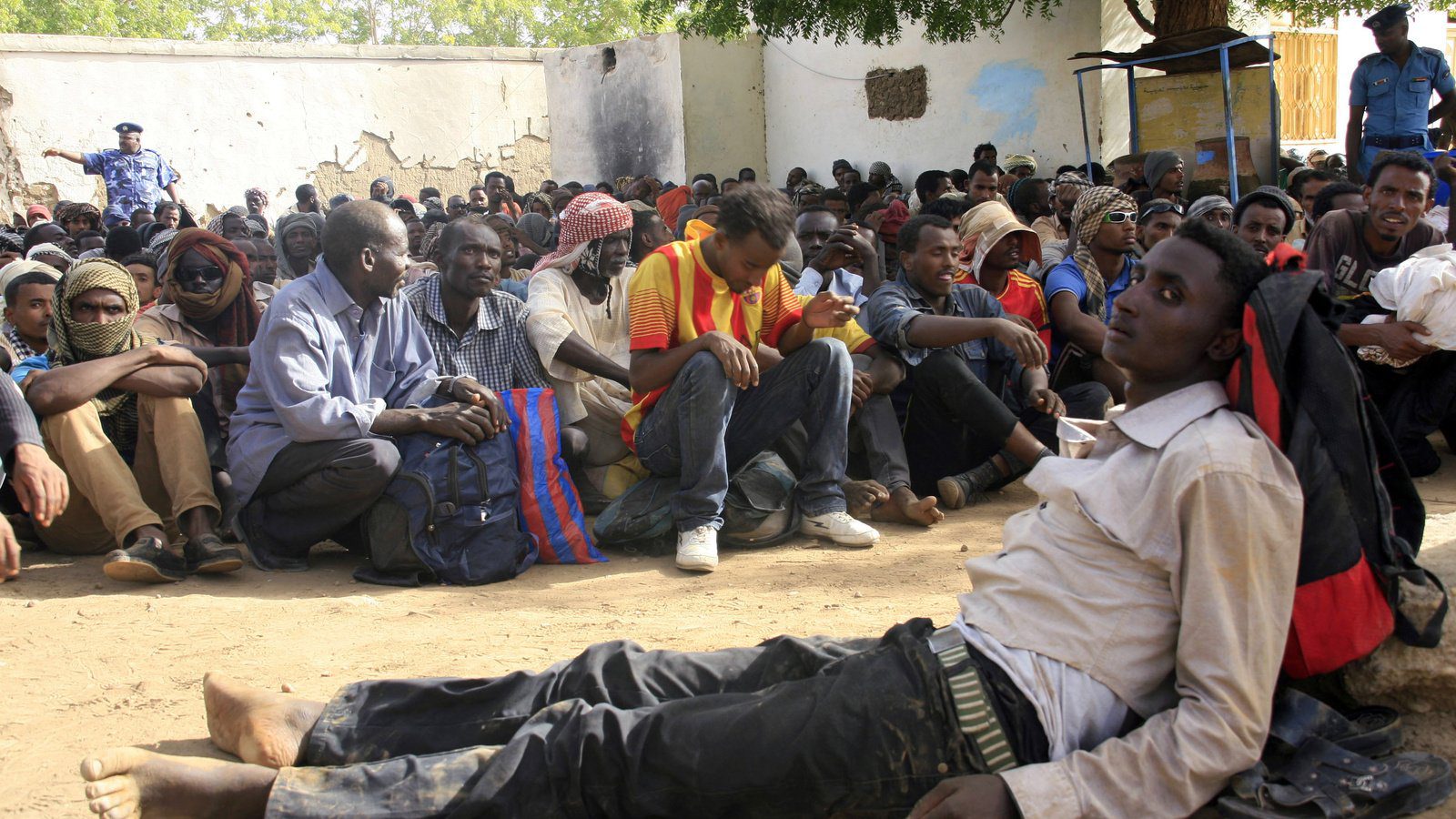
While making further remarks on the severe exploitation and abuse associated with the cybercrime operations, the Ministry referenced a similar cyber-slavery case in Accra, Ghana, where its Crime Agency arrested a group of Nigerians reportedly held captive and made to engage in cybercrime under abusive conditions.
“The Ministry notes with dismay a recent incident where the Economic and Organised Crimes Office (EOCO) in Accra, Ghana rescued and detained a group of Nigerians forced to engage in cybercrime activities under inhumane conditions. This incident highlights the severe exploitation and abuse associated with cybercrime operations,” part of the statement reads.
Also Read: Court orders 54 banks to return N9.3 billion diverted in cybercrime attack.
The alert has again underscored the high rate of exploitation and abuse now associated with cybercrime, thereby urging relevant ministries to develop strategic moves to combat and arrest cybercrime perpetrators.
“It also underscores the need for enhanced efforts to combat such multibillion-dollar criminal networks and mitigate the susceptibility of victims,” the statement stated.
In its advice moving forward, the Ministry urged Nigerian youths to be cautious when given job offers, particularly those with high remunerations, overseas travel, and off-site work involving crypto.
Furthermore, it expressed its commitment to protecting Nigerians (home and abroad) and warned Nigerians to verify employment adverts and offers through official channels, report any suspicious incidents to appropriate agencies for investigation, and perhaps detain perpetrators.
“The Ministry wishes to assure the general public that, as a precautionary measure to address this unfortunate situation, the Federal Government is working closely with regional partners, law enforcement agencies, and international organizations to tackle this heinous crime, rescue victims, and bring perpetrators to justice,” it added.
Get familiar with Cyber Slavery tricks and methods
A critical implication of the rise in digital shift is cyber slavery, which is the coercion or trafficking of individuals into carrying out online scams for organised crime networks. Victims are forced to participate in various cyber slavery activities such as online fraud, identity theft, or phishing, often under threats of violence or death.
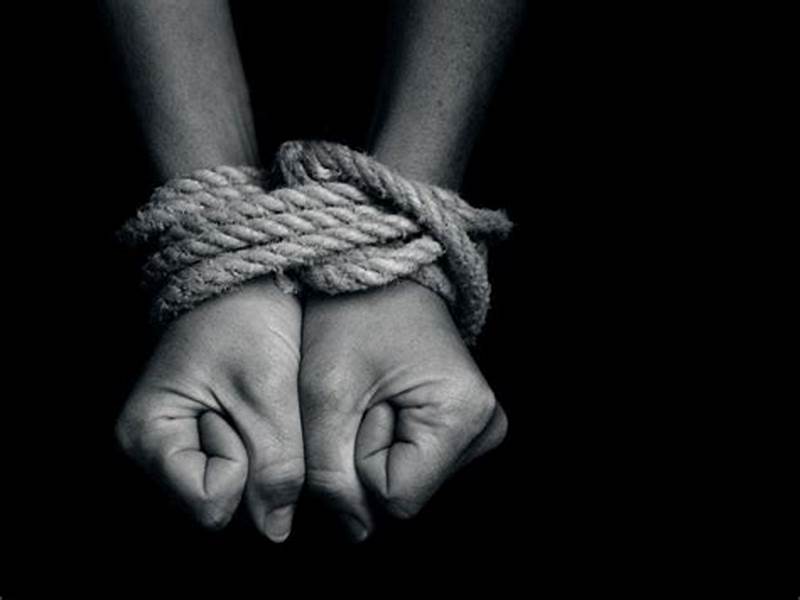
Cyber slavery perpetrators typically lure victims with fake job opportunities and high remuneration before trafficking them across borders to foreign countries. Many fall into this trap due to financial hardships or unemployment, leaving them vulnerable to exploitation. With the high rate of unemployment and economic hardship in Nigeria, the young population is more highly susceptible to falling victim to cyber slavery.
Majorly, cyber slavery is conducted with the help of fake job listings, and they are usually for foreign locations, which would attract victims who are looking for high-paying opportunities. This means that a cyber slaver targeted at Nigerians would be located outside its borders.
Also, Cybercriminals would conduct fake interviews, provide false contracts, and issue fabricated travel documents to win the trust of victims. Criminals would operate both online and offline to make the victims trust the whole process more and make it look even more genuine.
At the early stage, victims are usually oblivious to the illegal nature of the work, which they realise too late and are already stuck in the activity by that time. Because these cyber slavery activities happen behind closed doors or in foreign nations, rescuing the victims becomes a difficult task.
Due to their frequent change in identity and location, it often proves difficult for authorities to figure out and arrest these criminals. They further up their game by setting up fake companies. In addition to all this, criminals use encrypted forms of communication, anonymous online transactions, and fake social media profiles to cover their tracks and avoid detection.
How to avoid getting trapped in cyber slavery
The strongest tool used is to make the offer lucrative and too good to be true. These ‘fake’ companies also request recruitment fees in exchange for employment.
Another is to look for inconsistencies, i.e., paying attention to the email addresses from which you are receiving emails. Check if they are from official email addresses or not, and check if they carry professional communication or avoid any sort of interactions.
As the Ministry of Foreign Affairs noted, it is wise to use official government websites, embassies, or organisations to verify job offers abroad.
While these point to the rise of cyber slavery operations, they call for urgent attention from individuals to be more careful and vigilant. It also calls on domestic and global agencies on the need to up their game and operations.
