


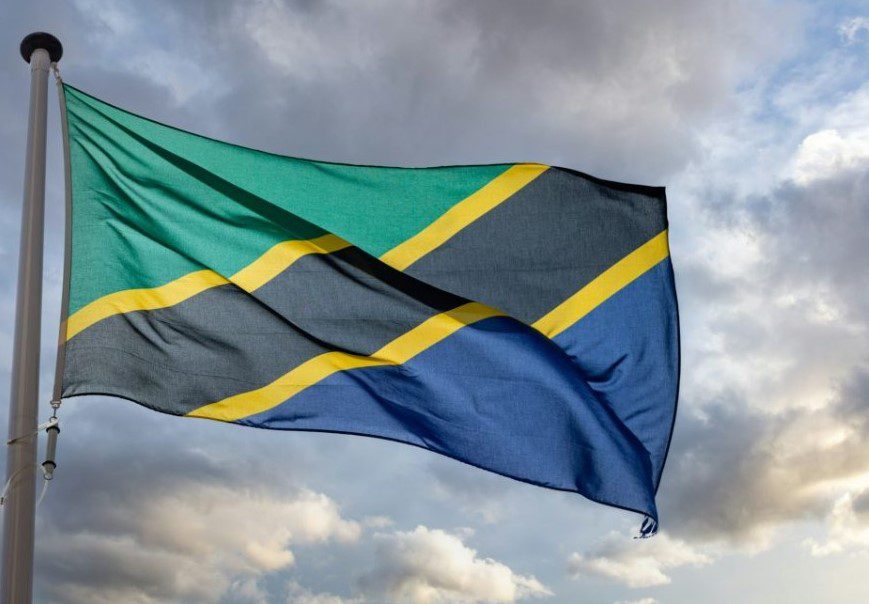
The government of Tanzania said that it decided to block access to the social media platform X (formerly Twitter) because it allows the distribution of pornographic content. The explanation is a response to the ongoing X ban in the East African Country, effective two weeks ago.
While speaking on a local TV station, the country’s Information Minister, Jerry Silaa, noted that the platform permitted explicit sexual material, including same-sex pornographic content, which breaches Tanzania’s online ethics guidelines. Silaa added that the contents are contrary to the East African country’s laws, culture, customs, and traditions.
“Even on YouTube, you might notice that some content is inaccessible. That’s part of our broader effort to protect consumers and ensure that all online platforms operating in our country comply with our laws,” he said.

In response to the explanation, a Tanzanian rights group said that the shutdown of X reflected a troubling pattern of digital repression ahead of October’s presidential and parliamentary elections.
Another group, the Legal and Human Rights Centre (LHRC), said that X faced a similar shutdown in the run-up to the 2020 election, noting that the latest action is a recurrence of restrictions that raise serious concerns about the openness of digital space in Tanzania.
It added that while the minister confirmed the government’s role in blocking X, government officials and public institutions continued to use the platform. “This inconsistency confuses the public and undermines the credibility of the government’s position,” LHRC added
According to the right group, popular social audio app Clubhouse and messaging service Telegram are also inaccessible without the use of a Virtual Private Network (VPN).
Also Read: Tanzania shuts down X after police account was hacked to spread false news of President’s death.
Tanzania’s X shutdown
While the Tanzanian government attributed the X block to widespread pornography content on the platform, a previous report on the shutdown two weeks ago presents a different story.
In a May 20 post by NetBlocks, a real-time network data analyser, X became unreachable across major Tanzanian internet providers. Then, it hinted that the suspicious X shutdown was attributed to a high-profile cyber attack, where the official Tanzania Police Force (TANPOL) X account was hacked to circulate false reports claiming that President Samia Suluhu Hassan had died.
“Live metrics show X (formerly Twitter) has become unreachable on major internet providers in #Tanzania; the incident comes as a compromised police account posts claims the President has died, angering the country’s leadership,” NetBlocks said in a post.
The ban also follows similar government action in August 2024, when authorities also took X offline after the arrest of opposition leader Tundu Lissu.
Before the cyber attack, Tanzania had been under political struggles and a tense atmosphere. Tundu Lissu, a major opposition figure who survived an assassination attempt in 2017, has been arrested again and charged with treason. Also, his political party, Chadema, has been barred from participating in the upcoming October 2025 presidential election.
The situation became more tense when Kenyan activist Boniface Mwangi and Ugandan attorney Agather Atuhaire were detained by Tanzanian authorities. While a journalist confirmed speaking to Mwangi’s wife, who stated her husband had not yet been deported, their whereabouts have remained unknown. According to reports, both individuals were in the country on what appears to be civil society work.

The social media platforms’ shutdown again raised familiar concerns. While the government’s stand is on protecting ethical practices, the ongoing trend of increased government censorship and tighter control over online expression and censorship in Tanzania is losing control.
In May, the East African country shut down over 80,000 websites, social media accounts, blogs, and online platforms in the country’s most extensive digital content washout. The government explained that the move was meant to protect children’s mental health.
Hamis Mwijuma, the deputy minister for information, culture, arts, and sports, told parliament that the Tanzania Communications Regulatory Authority (TCRA) had identified 80,171 platforms “publishing unethical content that poses a risk to children’s mental health.”
