





The Kenyan government has unveiled the 2025 National Policy on Alcohol, Drugs, and Substance Abuse, proposing to raise the legal drinking age from 18 to 21 and impose a complete ban on online alcohol sales. The move aims to curb the growing crisis of alcohol and substance abuse among its youth.
Approved by the Cabinet on June 24, 2025, the policy, spearheaded by the National Authority for the Campaign Against Alcohol and Drug Abuse (NACADA), introduces stringent measures aimed at addressing a public health emergency that affects millions, particularly young Kenyans.
The reforms also include bans on home alcohol deliveries, celebrity endorsements, and alcohol outlets near schools and religious institutions, signalling one of the country’s most aggressive anti-alcohol campaigns to date.
The proposed changes come in response to alarming statistics highlighting the scale of alcohol consumption in Kenya. According to NACADA, about 4.7 million Kenyans aged 15 to 65 (roughly 13% of the population) consume alcohol, with the highest prevalence among those aged 18 to 24.
Even more concerning, one in ten high school students admits to drinking, and the average age of first alcohol consumption is dropping sharply, with children as young as six being exposed in homes and neighbourhoods.
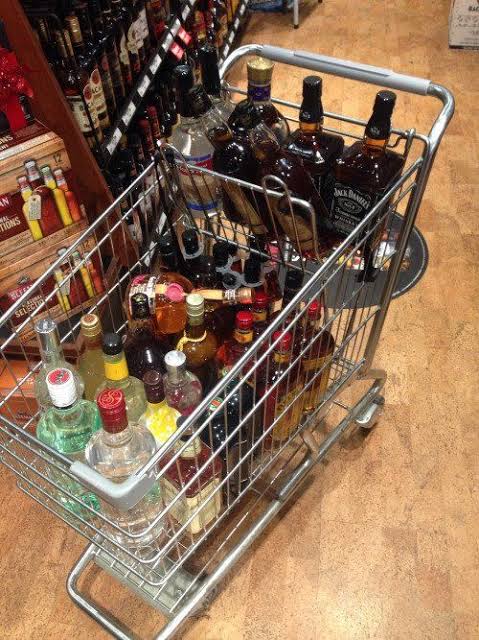
“The proposal to raise the legal drinking age to 21 is a well-informed prevention strategy grounded in scientific research, public health best practices, and evidence from global success stories,” NACADA stated in a post on X earlier today.
The authority cites studies showing that delaying alcohol consumption reduces risks of addiction, brain damage, and risky behaviour, noting that the human brain continues developing into the mid-20s. Countries like the United States, where the drinking age is 21, report lower rates of underage drinking, drunk-driving fatalities, and alcohol-related harm.
Kenya to ban online alcohol sales to stamp out abuse
A highlight of the proposed policy is the prohibition of all digital alcohol trade, including online sales, vending machines, and home deliveries. NACADA has flagged the online space as a significant loophole, enabling minors to access alcohol through mobile apps and courier services.
“Teenagers are ordering alcohol from their phones and getting it delivered to their homes. This must stop,” NACADA emphasised.
The ban aims to close these digital channels, which have become increasingly popular in urban areas like Nairobi, where e-commerce platforms have made alcohol more accessible than ever.
The rise of illicit alcohol, exacerbated by high excise taxes on legal beverages, has further complicated the issue. A 2025 report by the Alcoholic Beverages Association of Kenya (ABAK) and Euromonitor International, as reported by Business Daily Africa, revealed that Kenyans consume 3.6 litres of illicit alcohol per capita annually, compared to 2.5 litres of legal alcohol.
Beyond raising the drinking age and banning digital sales, the policy introduces strict zoning regulations, prohibiting alcohol outlets within 300 meters of schools, churches, or residential estates.
Outdoor advertising, social media promotions, and celebrity endorsements of alcohol brands will also be banned, with restrictions on alcohol ads during children’s TV programs, school events, and public holidays.

To further deter consumption, all alcohol packaging will require health warnings in English and Kiswahili.
The policy also recognises alcohol addiction as a health issue rather than solely a criminal offence. It calls for expanded public treatment and rehabilitation centres, special training for teachers, healthcare workers, and law enforcement to detect early signs of abuse, and community-led initiatives to shift cultural attitudes toward alcohol.
Read also: 79% of Kenyans engage in online betting, GeoPoll survey reveals
Employers are also encouraged to promote workplace awareness to address alcohol-related productivity losses, estimated to cost businesses millions annually.
Stakeholder reactions and challenges
The proposed reforms have sparked mixed reactions. Supporters, including NACADA and public health advocates, argue that the measures are critical to protecting Kenya’s youth.
“Raising the legal drinking age to 21 aligns Kenya with global best practices and will help delay early exposure, which is linked to long-term addiction, mental health issues, and gender-based violence,” a NACADA spokesperson said.
However, critics, including some industry stakeholders, warn of economic repercussions. The alcohol industry contributes billions to Kenya’s economy through taxes and job creation, and previous crackdowns have driven trade underground, fuelling illicit brews like chang’aa and muratina.
The Kenya Association of Manufacturers (KAM) has previously criticised restrictive policies as costly and punitive, arguing that they disrupt legitimate businesses while failing to address the root causes of illicit trade.

Kenya has a long history of grappling with alcohol abuse. The 2010 Alcoholic Drinks Control Act, known as the “Mututho Law,” introduced measures like restricted operating hours for bars and penalties for underage sales. Despite these efforts, enforcement challenges, bribery, and weak oversight have allowed illegal operations to persist. The 2025 policy builds on these efforts but takes a more comprehensive approach, balancing supply reduction with demand-side interventions like education and rehabilitation.
As Kenya prepares to implement these reforms, the success of the 2025 policy will hinge on robust enforcement and public cooperation. With nearly 87.3% of university students reporting alcohol consumption, according to a 2025 NACADA survey, the stakes are high.
The government’s multi-sectoral approach, involving counties, law enforcement, and community leaders, aims to create a unified front against alcohol abuse. However, addressing the affordability-driven illicit market and ensuring economic balance for legitimate businesses will be critical challenges.
