





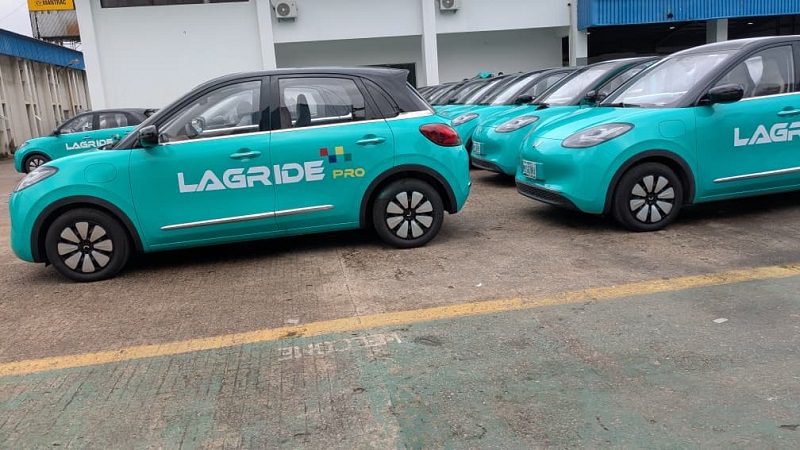
Lagos government-backed e-mobility platform, Lagride, has claimed there is more than enough work for drivers on its platform to earn handsomely.
This was disclosed to Technext by the company’s spokesperson, Ifeanyi Abraham, in response to a question about allowing pilots to operate on platforms outside the Lagride app, such as Bolt and inDrive, to expand their earning opportunities.
He noted that there is absolutely no need for that since the company has invested a lot into generating “more than enough demand” on its app.
“Lagride’s marketing team spends millions of naira every month generating rider demand, and at present, Captains are not meeting that demand. The platform is actively working to increase capacity. A Captain operating within the Lagride ecosystem has more than enough work without looking elsewhere. Every serious, committed Captain on this platform has work,” Abraham said.

Similar read: AUATON faults Lagride for ₦450k upfront rental, ₦50k driver training fee
He also pointed out that the company was built on the conviction that drivers in Nigeria deserve more than a wage. They deserve ownership, and that conviction has remained the foundation of all that the company does.
But to secure ownership under the company’s agreement with banks, drivers need to have solid records on the platform. And, splitting their time across competing apps would dilute their earnings record on Lagride, making it difficult for them to qualify for vehicle ownership financing.
“The 90-day tracked earnings record that Lagride submits to its banking partners is built entirely from in-platform documentation. A Captain operating across multiple platforms produces an incomplete record that undermines their own path to ownership. Exclusivity is not a restriction on a Captain’s freedom. It is the condition that makes the bank’s yes possible,” he said.
He said that when a Captain finally owns their vehicle, they make their own commercial decisions. Until then, the terms they signed at onboarding will apply.
Some Lagride drivers claim they earn up to ₦1 million monthly
Similarly, the company shared a video of Lagride pilots claiming to earn as much as ₦1 million in a month. One pilot, Shola Kelvin Longe, said even in a bad month, he takes home as much as 500,000 naira.
“I make a lot of money every week. In a bad month, I make 500,000 naira personally and in a good month, I can make over a million,” he said.

“Earning with Lagride is the best, sincerely speaking. With Lagride, I can earn 250,000 naira per week, which is very very possible,” another driver, Ali Augustin Ekeleochiga said. He also claimed that he gets more than 15 orders per day, a pointer to high demand on the platform.
Another driver, Adeola Erayanmen, said he makes more than 150,000 naira every week while hitting his target in two hours.
This development is coming at a time when e-hailing drivers operating across other platforms like Uber, Bolt and inDrive are groaning under declining demand, reduced fares and abysmal earnings.

It is also coming at a time when app companies like Bolt and inDrive claim that drivers make more than 1 million naira on their platforms. Indeed, Bolt has insisted that top drivers on its platform earn more than enough to survive. According to the company’s Head of Regulatory & Public Policy for Africa, Weyinmi Aghadiuno, top drivers on the platform make enough money to send their kids abroad for studies.
“We have drivers that are making serious money. When we say top drivers, some top performers are sending their children to school abroad from gig work. It all depends on how you manage your finances and how you are able to push forward in the gig economy. So is it sustainable in the long run? Yes. In the long run, it really all depends on your grit and what you pour into it,” she said.
This has not gone down well with members of the drivers’ union, AUATON, who insist that even if any driver makes millions as gross earnings, operational expenses like fuel, commissions, VAT, maintenance, data and airtime costs, etc, would drastically eat into the gross earnings, reducing the eventual take-home to a pittance.
