


For many Nigerians, daily living is encumbered by challenges that technology has long promised to fix but rarely has, owing to adoption barriers, communication, local content limitations, unreliable social infrastructure, and endless waits on broken customer support lines.
These are the problems a new generation of homegrown AI startups is trying to tackle head-on, built by founders who have felt these frustrations on their skin.
These startups are fixing real pain points in churches, homes, markets, hospitals and businesses across the country. Their journeys embody the ingenuity and grounded ambition reshaping Nigeria’s AI ecosystem.
1. PewBeam
In many Nigerian churches, a familiar pause still disrupts the flow of sermons. A pastor references a verse, and volunteers frantically thumb through Bibles or slide decks while the congregation waits.
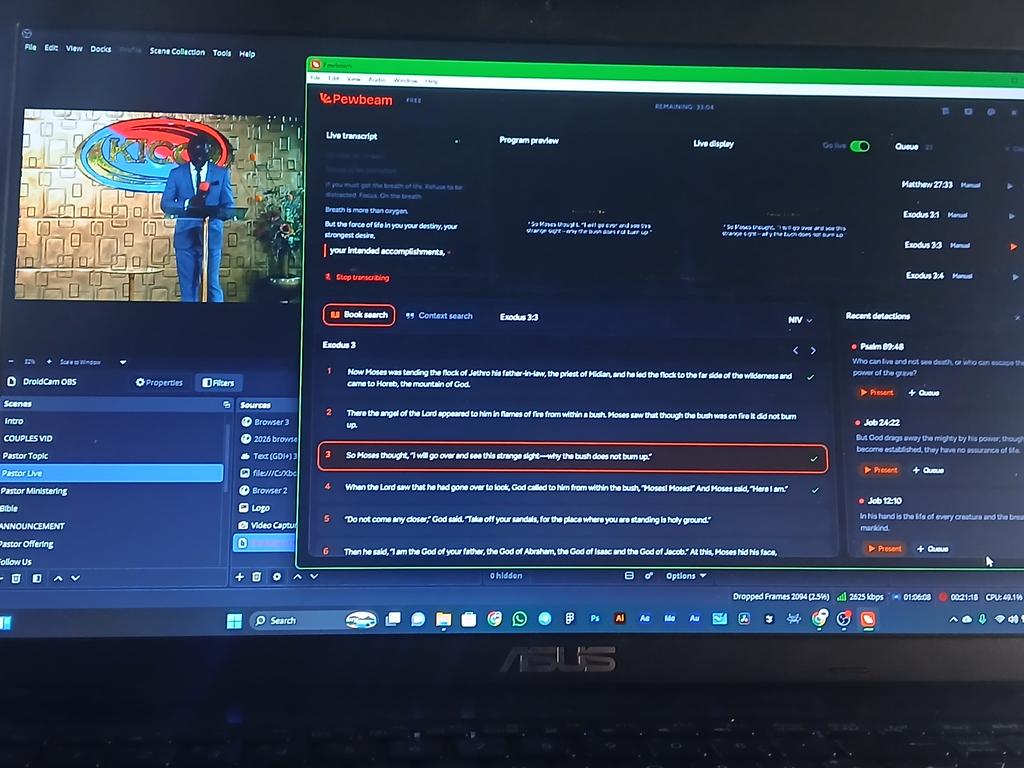
Dara Sobaloju turned that friction into an opportunity. He tweeted his idea in August 2025, and he and a small team built PewBeam, a desktop AI app for Windows and macOS that listens to preaching in real time and displays the most relevant Bible verses on the projection screen in under 80 milliseconds.
The system provides summaries of paraphrases, quotes and contextual references. No manual input is needed; pastors preach naturally, and members listen and take relevant notes.
Sobaloju’s approach is to focus on cultural fit rather than forced adaptation. The app offers a generous free tier for small congregations and location-based pricing for paid plans. Future updates will expand it into a full worship presentation suite.
By keeping the church at the centre of development, PewBeam shows how AI can serve spirituality rather than complicate it.
2. TalkSign
Edidiong Ekong learned sign language as a child simply because three of his closest friends were deaf, and he wanted to speak to them. That personal drive later became the foundation for TalkSign, which Kazi Mahathir Rahman co-founded.
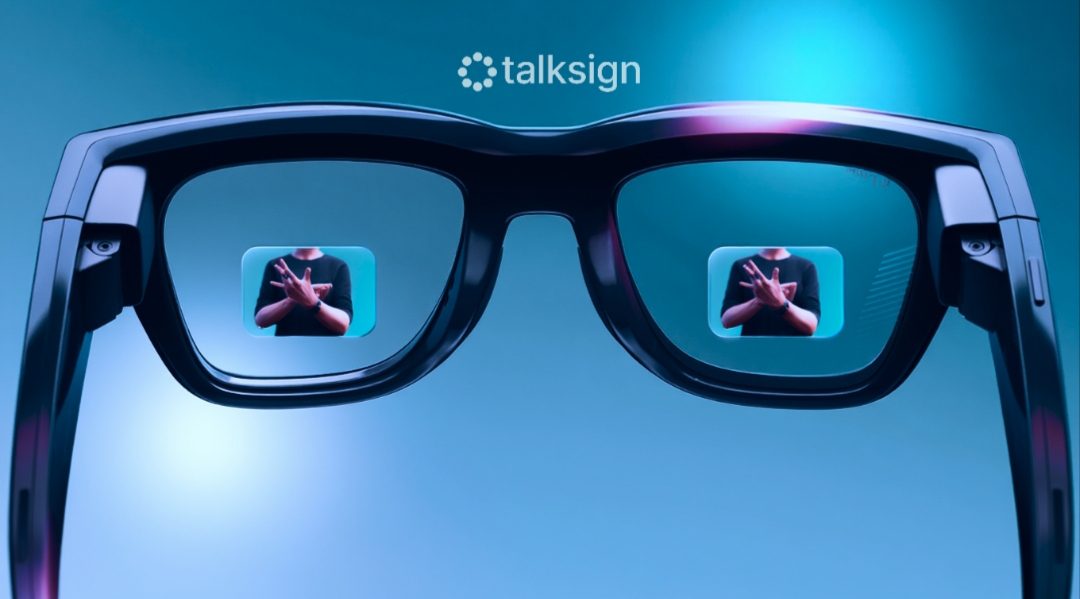
The platform uses AI and smart glasses to enable real-time translation between speech and sign language, converting American Sign Language into speech and text in under 100 milliseconds.
For Nigeria’s deaf community and the estimated hundreds of millions worldwide who are deaf or hard of hearing, everyday situations like hospital visits, workplace meetings, or even watching films carry constant barriers. Interpreters are often unavailable, and details get lost. TalkSign aims to remove intermediaries so that a doctor and patient, or colleagues in a meeting, can communicate directly.
The team works closely with deaf users for feedback and builds for offline use in places with poor connectivity. Accuracy remains a work in progress (sign languages differ regionally and culturally), but the focus on on-device processing and community collaboration allows it to improve steadily.
Ekong’s vision is simply to make communication accessible for all.
3. ReedApt
Local content creators ranging from Nollywood filmmakers to churches struggle to reach audiences beyond English speakers.
Traditional dubbing is expensive and time-consuming, hindering reach. “I got a pathetic 4/20 in French at school,” said Owoade Apotierioluwa, co-founder of ReedApt with a team of four Nigerian graduates under the age of 25.
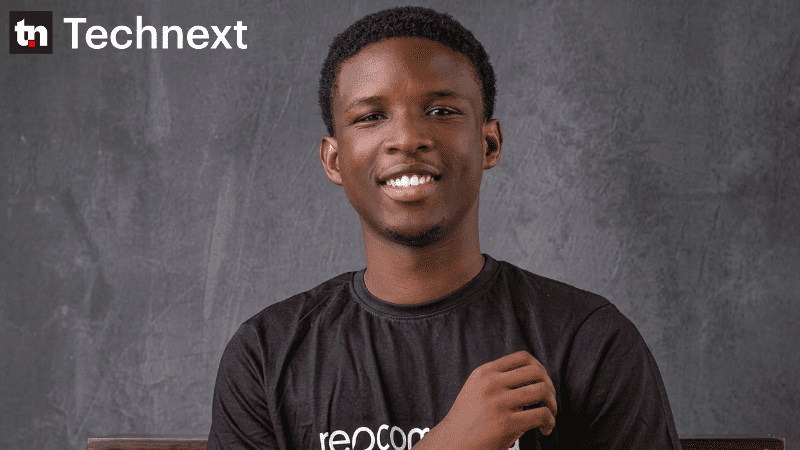
The AI-powered platform handles dubbing, translation, and real-time multilingual streaming, with more than 50 languages and a focus on African nuances.
ReedApt developed out of Apotierioluwa’s experience of encountering the language divide firsthand as a child in a boarding school; his solution allows content creators to dub videos at a low cost and stream live in multiple languages.
Big Tech tools often miss the mark on African priorities, so the team built them with local contexts in mind, including accents, idioms, incantations and cultural tones.
The startup is aiming at Nollywood, churches, and independent creators who want their work to transcend language barriers without sacrificing authenticity. ReedApt is quietly growing the audience for African storytelling, making it cheaper and better than manual methods.
4. Zenfinder
With over 50,000 users already on board, Zenfinder is proving that finding a reliable plumber, electrician or tailor in Nigeria doesn’t need to be an endless round of calls to family and friends.
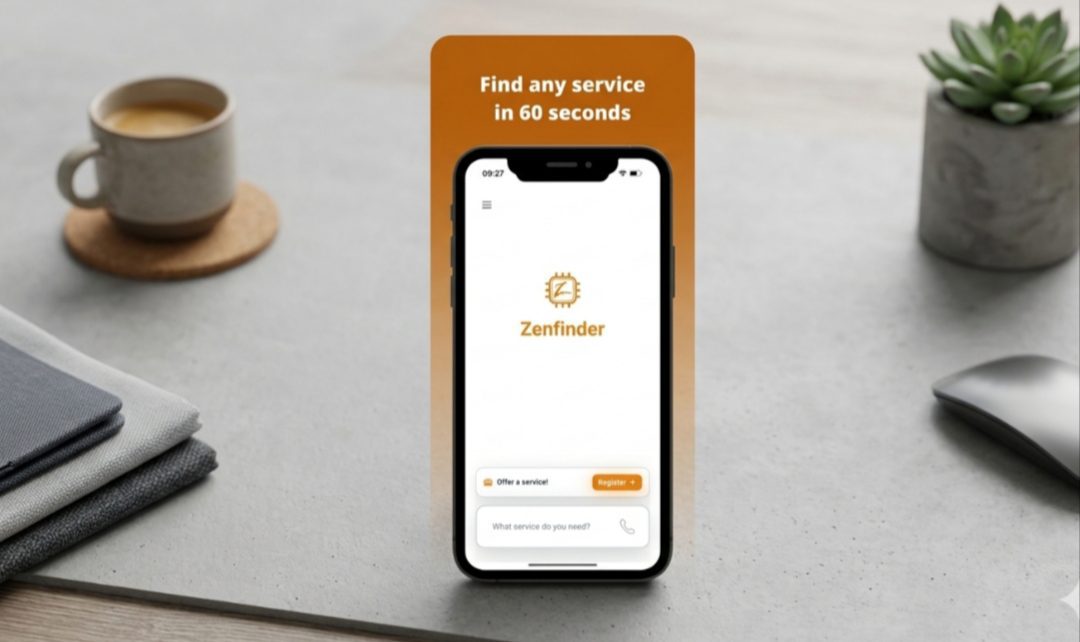
Arden Elegbe observed the contrast between efficient systems in other countries and Nigeria’s reliance on informal referrals, which usually result in delays that affect both households and small businesses.
He launched Zenfinder to match users with vetted service providers in around 60 seconds.
The platform is deliberately voice-first, recognising that for many Nigerians, phone calls build trust faster than text interfaces. How it works: users simply tell the system what they need, and it connects them with artisans in their immediate communities.
Elegbe designed the business model carefully to allow customers to use it for free, while service providers pay a small flat fee for lead generation. This prevents the cuts in percentages that invite side deals in informal markets. By creating steady work for artisans, Zenfinder reduces overcharging and boosts economic productivity, one reliable connection at a time.
5. Grace AI Labs
Long hold times, scripted chatbots, and unresolved issues plague customer service across banks, telcos, and businesses. Divine Matthew lived with the frustration of late-night calls about fraud with no real help.
Through Grace AI Labs, he is building autonomous AI agents that handle voice, WhatsApp, and backend systems to resolve issues completely.
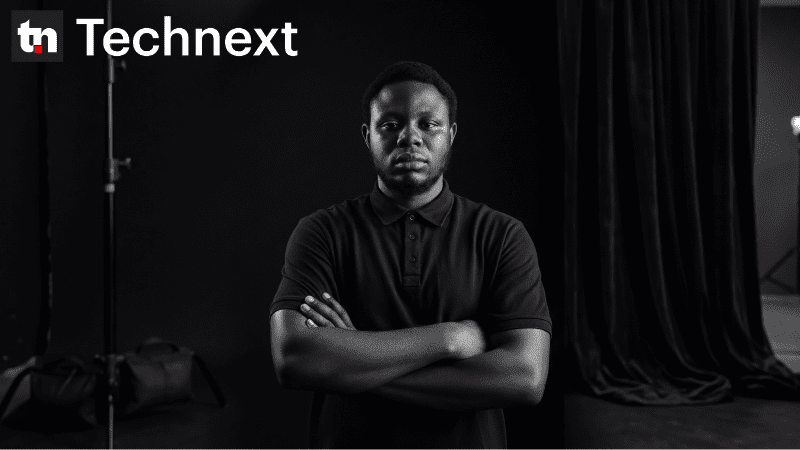
The agents understand Nigerian Pidgin, code-switching, and regional accents. They triage fraud alerts, process disputes, route restaurant orders, and escalate complex cases with full context prepared.
Pilots with banks focus on AML compliance and contact centres, where a single human agent can cost between ₦8 million and ₦10 million per year. Grace AI reduces that financial burden while delivering faster responses.
Matthew emphasises that the technology replaces repetitive processes, not people, freeing workers for higher-value roles. The company plans expansion to 20 African markets in 36 months, adapting to local languages like French and Swahili. It is building what feels like a reliable digital colleague that never sleeps.
Taken together, these startups share several common strengths: founders tackling problems they know only too well, technology appropriate to Nigeria’s realities (voice, offline capability, local languages and affordability) and a focus on impact that can be measured.
Their progress suggests a maturing ecosystem where African builders are building tools for African realities.
For average Nigerians, the promise is more basic: less annoying waiting, expanded access and solutions that work for them. As these companies grow, they are changing the nature of reliable service in one of the world’s most consequential markets.
