


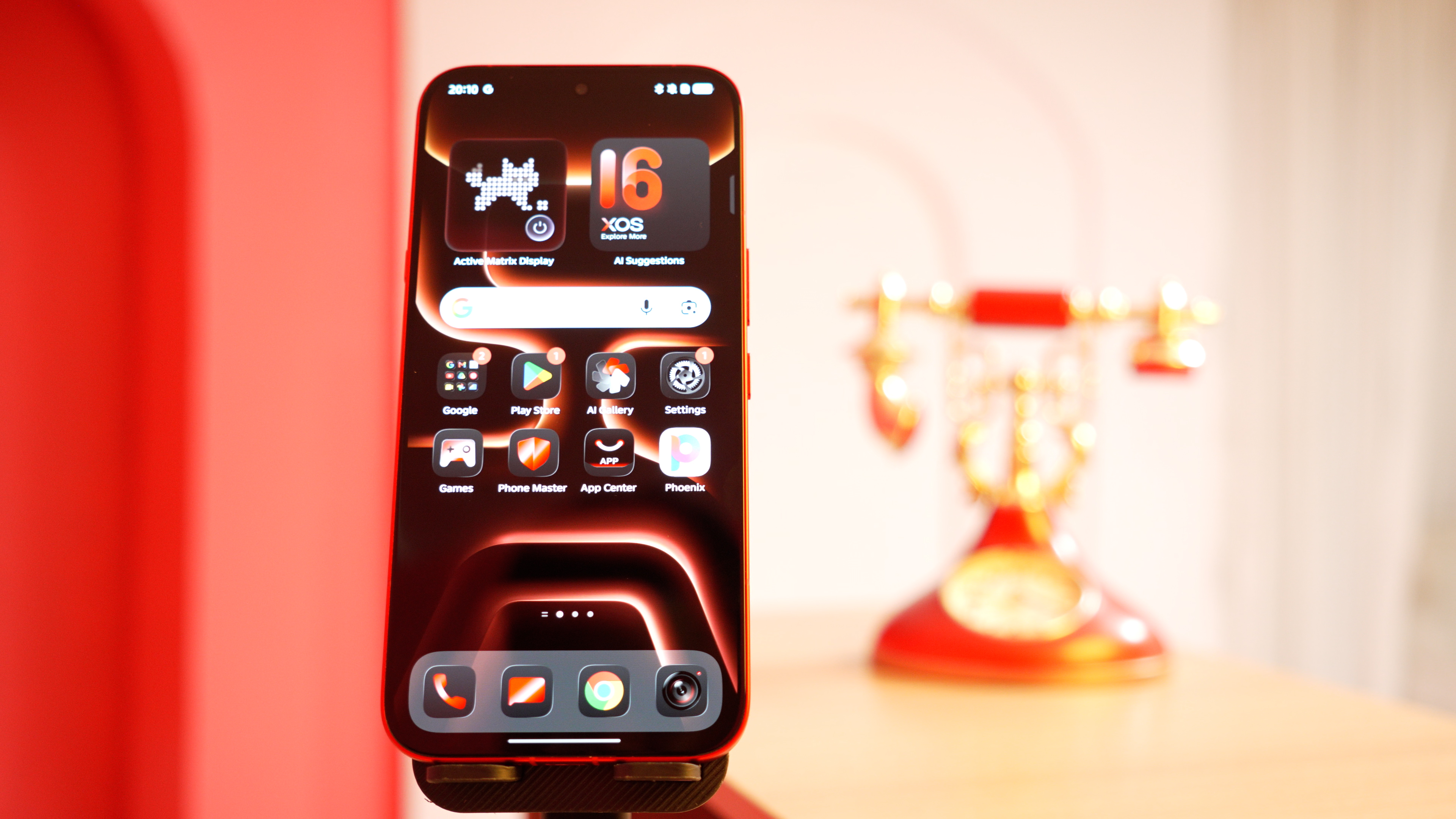
When you think flagship smartphone devices, you think brand names like Samsung, iPhone and other phones that have been doing the flagship thing for years. Infinix knows that, and the Note 60 Ultra is their answer to the question: can they actually compete there?
The Infinix Note 60 Ultra is Infinix’s first-ever Ultra-tier device, packing a 200MP camera, two-way satellite calling, a 7000mAh battery, a secondary display on the back, and a design co-created by the Italian firm that shaped Ferraris. The ambition is obvious. But at a ₦1 million price point, did Infinix make a genuine statement that they intend to be taken seriously at the premium end?
I have been using it. Here is all of it, honestly.
Also Read: Infinix NOTE Edge Review: The Curved Screen You’ve Been Overpaying For
Design & Build: Pininfarina Did Not Come to Play
The first thing you need to understand about the Infinix Note 60 Ultra’s design is that Pininfarina did not just slap its name on it. The Italian design firm, whose most famous work includes the body of the Ferrari Testarossa and the Alfa Romeo Spider, celebrated their 95th anniversary with their first-ever smartphone partnership. And you can feel the difference.
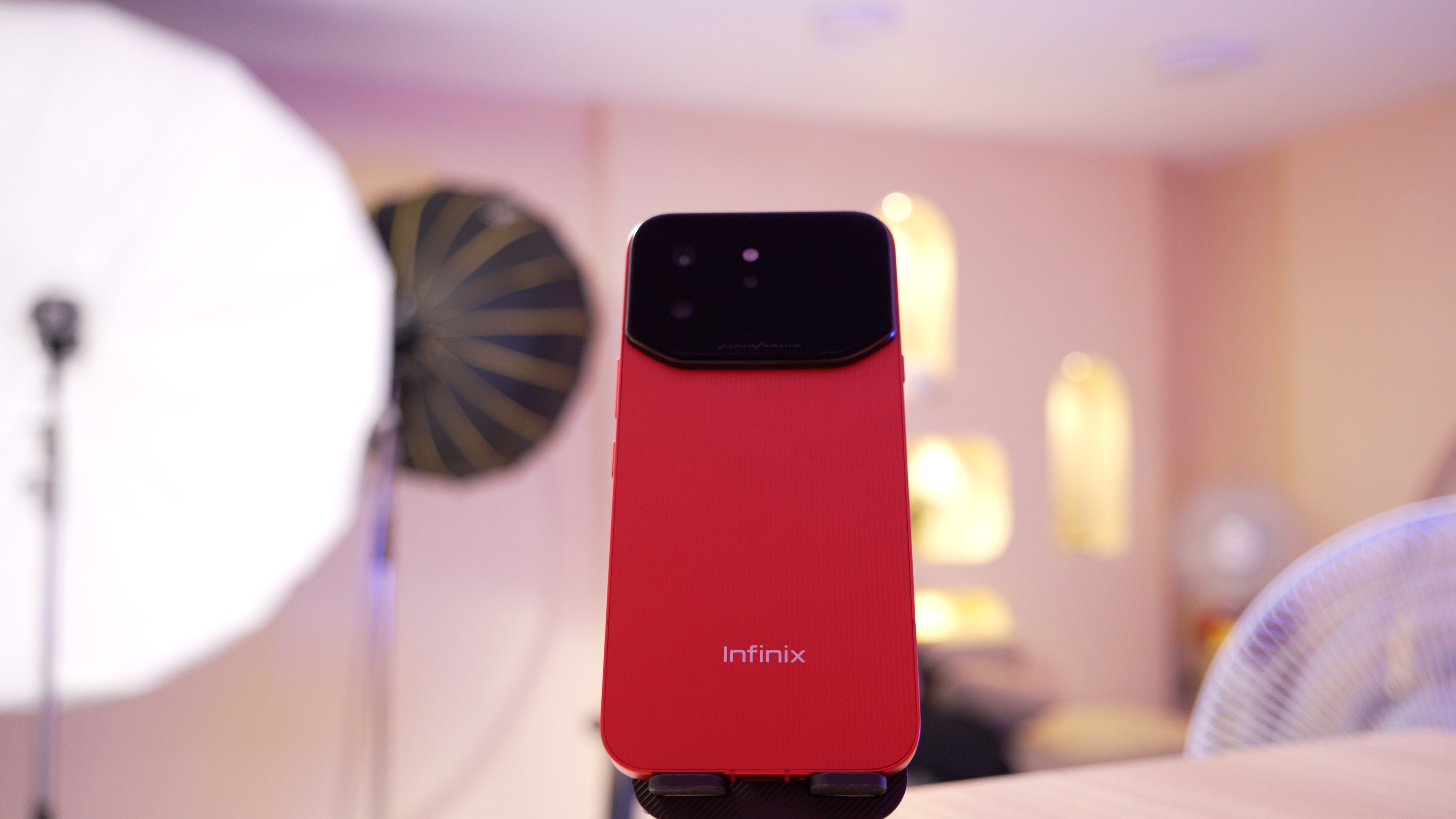
The back panel is where the story starts. Infinix calls it the Uni-Chassis Camera Module: a single, seamless glass surface that integrates the three cameras, the Active Matrix Display, and the rear light strip into one unified form. There is no floating camera bump. No visual clutter. It flows as one piece. The Monza Red variant I tested has a bold look that will have people stopping you to ask what you are holding.
Then there is the floating taillight, a continuous red light strip that runs beneath the Pininfarina logo, spanning the width of the phone. When the device boots up or a notification arrives, it pulses like a high-performance ignition moment. It is one of the most visually striking things happening on any phone right now.
The aluminium frame feels premium in hand, Gorilla Glass 7i protects the front, and IP64 protection means it can handle splashes and light rain.
The one trade-off: at 220 grams, the Infinix Note 60 Ultra is not a lightweight device. If you are used to sub-190g phones, your wrist will feel it by the end of the day.
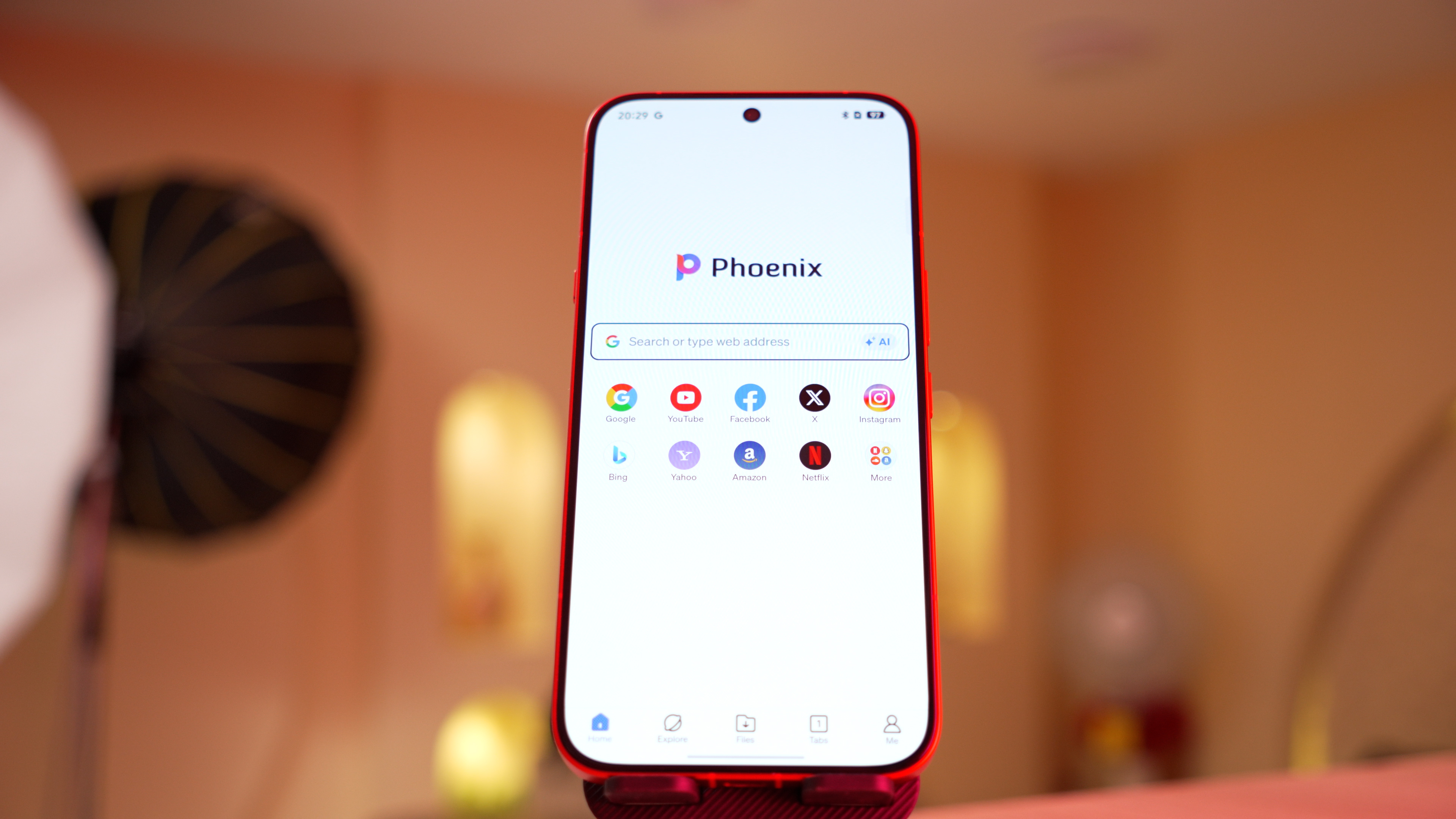
Display: 4500 Nits and Almost No Bezel
What stands out most isn’t the refresh rate or resolution, though. It’s the brightness.
Outdoor visibility is excellent, which matters more than many people realise until they’re trying to read messages under Lagos afternoon sunlight. Whether you’re watching videos, scrolling social media, or using navigation, the display remains easy to see.
Combined with the slim bezels surrounding the screen, the viewing experience feels appropriately premium.
Camera: More Than Just a 200MP Number
We’ve reached a point where smartphone brands throw around megapixel numbers so often that many buyers have stopped caring. The Infinix Note 60 Ultra is one of the few phones where the headline number actually feels justified.
The 200MP main camera captures impressive detail, produces natural-looking colours, and handles difficult lighting surprisingly well. Daytime photos are sharp and vibrant without becoming oversaturated, while low-light performance is strong enough to compete with devices that cost significantly more.
The telephoto camera is arguably the more exciting addition. Unlike the token zoom lenses often found in mid-range devices, this one is genuinely useful. Portraits look great, zoom shots remain detailed, and the flexibility it adds to photography makes the camera system feel much more complete.
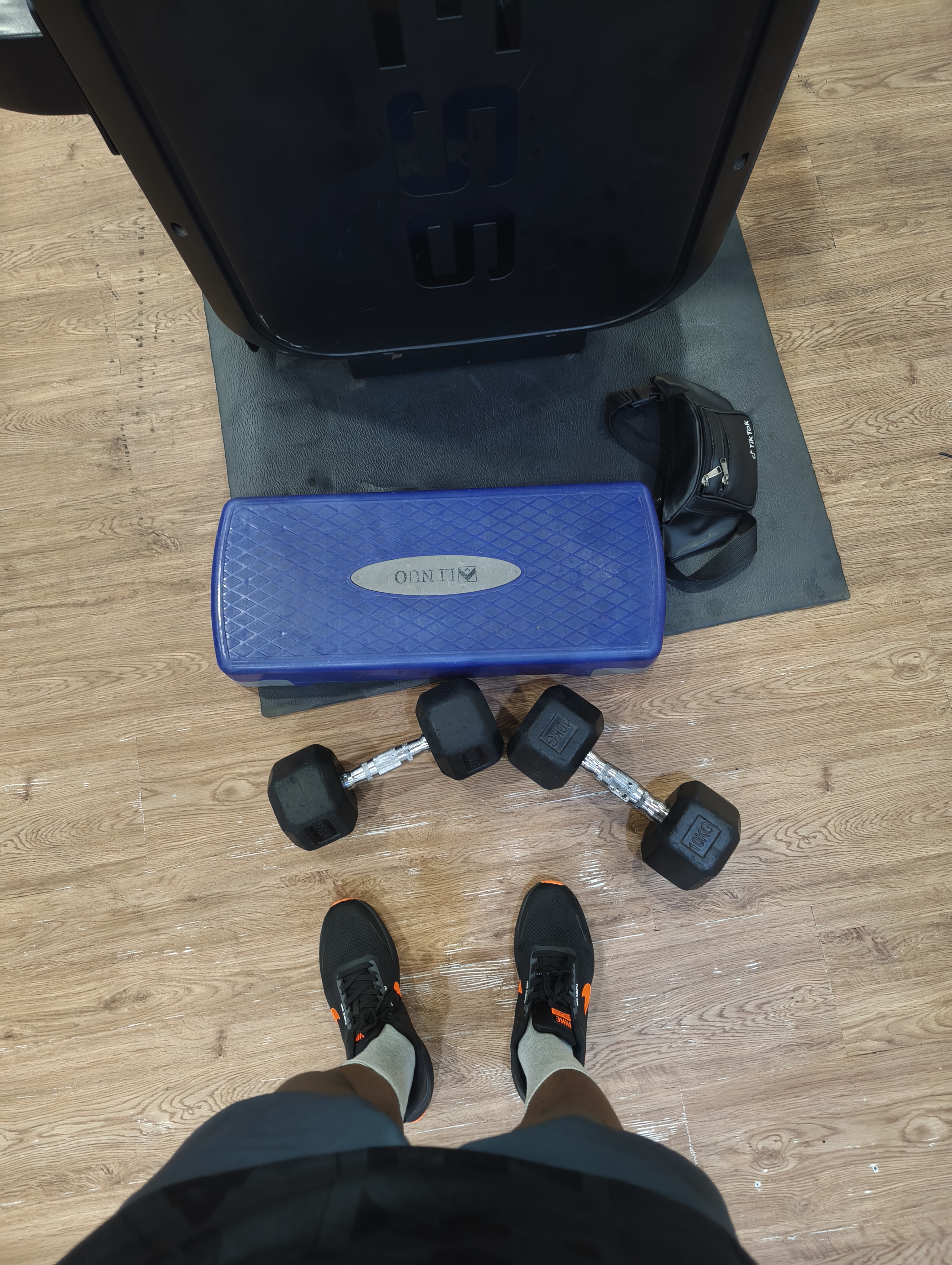


The one weak point is the 8MP ultrawide camera. At ₦1 million, playing in the range of Samsung and Apple phones, this is a let-down. Anyone who shoots wide scenes, architecture, or group shots in tight spaces will feel that gap.
The front camera is 32MP and delivers natural, detailed selfies. For video creators, 4K recording, stabilisation, and HDR support provide enough tools for content creation without needing additional equipment.
Performance: Fast Where It Matters
Powering everything is the MediaTek Dimensity 8400 Ultimate. While it may not sit at the absolute top of the flagship processor rankings, performance is excellent in real-world use.
Apps launch quickly, multitasking feels effortless, and gaming performance is consistently smooth. Whether you’re jumping between productivity apps or spending hours on PUBG Mobile, Genshin, eFootball, Metalstorm and Call of Duty Mobile, the phone rarely feels stressed.
More importantly, performance remains consistent over time. The cooling system does a good job of managing heat, which means you don’t experience the sudden slowdowns that often appear during longer gaming sessions.
Also Read: The Infinix Note 60 Pro Review is your premium device at an average cost
Battery: Two Days, No Anxiety
If there’s one feature that makes the Infinix Note 60 Ultra easy to recommend, it’s the battery.
7000mAh is the largest battery Infinix has ever put in a phone, and yet it doesn’t feel thick. In real mixed use like scrolling, gaming, calls, and video, it lasts two full days without much effort. The kind of battery life where you stop thinking about where the nearest charger is.
Charging is 100W wired, which gets you from empty to full in under an hour in about 18 minutes to 50%. There is also 50W wireless charging, which is unusually fast for wireless at this price point. Most phones that offer wireless charging here do it slowly. This one does not.
Infinix also built in a Self-Healing Battery feature that slowly repairs the battery cell over time to keep it healthier for longer. It is a slow process, but it means the battery should age better than most.
Satellite Communication: The Unexpected Surprise
Perhaps the most interesting feature on the Infinix Note 60 Ultra is that it can make actual voice calls and send text messages via satellite, not just emergency SOS pings like iPhones do, but real two-way conversations. The phone supports two-way satellite communication through Thuraya, covering 130+ countries, including most of Africa. It allows calls and messages even when traditional mobile networks aren’t available.
To use it, you need a separate Thuraya satellite SIM card, and the rates are higher than regular calls. When connected to a satellite, the phone temporarily disables Wi-Fi, mobile data, and the camera. And coverage varies by location, so it is worth checking if your area is supported.
For the price, this is a differentiating feature that Infinix needed to justify the price, and it delivers. No Samsung or iPhone at this price in Nigeria offers anything close. For frequent travellers or anyone in areas where network coverage drops out, this alone reshapes the value of this phone.
Software & Everything Else
XOS 16 is Infinix’s Android skin, and it is cleaner and more polished than previous versions. The interface looks good, animations are smooth, and the built-in AI tools are genuinely useful for photo editing, note-taking, call noise cancellation, and a wallpaper generator; all work without needing separate apps.
Other welcome additions include JBL-tuned stereo speakers, eSIM support, NFC, an IR blaster, health monitoring features, and long-term software support.
Final Verdict
At ₦1 million, the Infinix Note 60 Ultra is asking you to make a real decision. This is not a budget phone that overdelivers. It is Infinix’s most expensive and most ambitious phone, going up against established names with years of flagship experience.
What it gets right is hard to ignore: the design is stunning, the battery life is genuinely exceptional, the main camera is one of the best at this price, and satellite calling is something no competitor here offers. These are real reasons to consider it.
However, it’s not flawless. The ultrawide camera also feels like the one area where compromises were made for this price point. Also, the processor, while fast, is not the top-tier Snapdragon chip like you would expect here.
But those shortcomings are easy to overlook when you consider everything else the phone gets right. More than anything, Infinix has just shown that they have the ambition, and with the NOTE 60 Ultra, they are closer than they have ever been.
