





Nigeria used its hosting of the African Telecommunications Union‘s Conference of Plenipotentiaries to introduce a continental initiative aimed at building large language models grounded in African languages, and the announcement gave the two-day gathering in Abuja a piece of concrete news to sit alongside the elections and declarations that typically define these events.
The Minister of Communications, Innovation and Digital Economy, Dr Bosun Tijani, launched the ATLAS Network on the opening day, building on Nigeria’s existing N-ATLAS initiative and inviting other member states to join a shared platform meant to ensure African languages, cultures and knowledge systems shape the AI technologies now spreading across the continent.
The initiative arrived wrapped in language about Africa refusing to remain a passive recipient of global technology decisions.
Vice President Kashim Shettima, represented at the opening by Senator Ibrahim Hadejia, argued that global technology policy has too often been written without African input and that the continent needs to move from being present at the table to actively shaping outcomes.
Read also: NCC calls for evidence-based telecom regulation across Africa
Tijani echoed the point, telling delegates that Africa must arrive at global digital negotiations prepared, united and credible if it wants its interests reflected in the rules being written elsewhere.
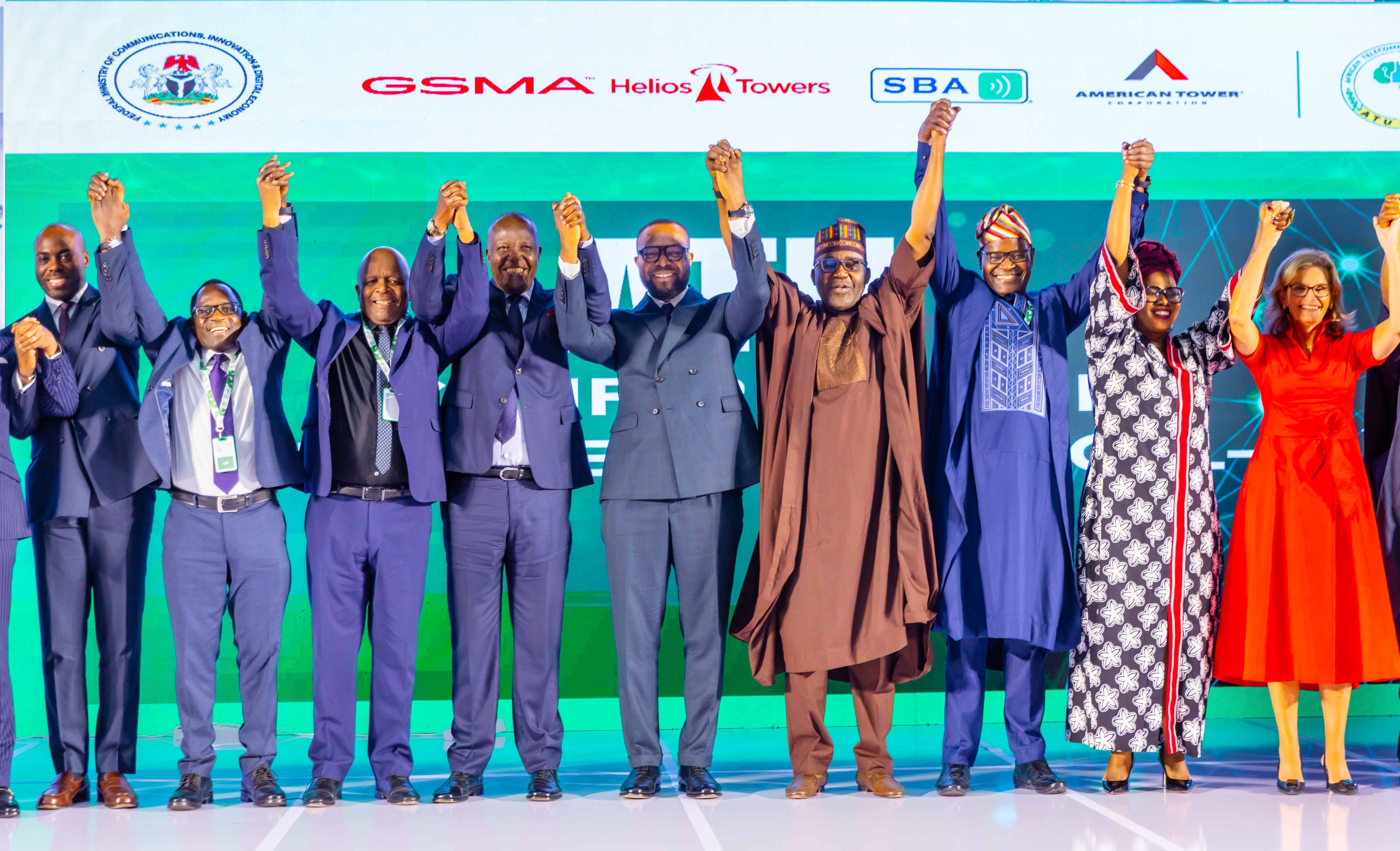
Africa’s telecom union elects new officers
That opening optimism met a genuinely competitive test on the conference’s second day, when delegates spent four rounds of voting deciding who would lead the union for the next four years.
Zambia’s Kezias Kazuba Mwale, who has served as the ATU’s Director of Radiocommunications since 2012, eventually secured the Secretary General position with 21 of the 34 votes cast in the final round, a margin close enough to suggest real disagreement among member states over the union’s direction rather than a settled consensus candidate.
Mwale takes office on January 1, 2027, and used his acceptance remarks to describe leadership as a trust to be guarded rather than a privilege to enjoy, a framing that outgoing Secretary General John Omo reinforced when he urged member states to carry the conference’s decisions forward with the same trust and common purpose that produced them.
What else was decided
Alongside the AI announcement and the leadership contest, the conference produced a cluster of procedural outcomes that will shape how the union operates through 2031.
Nigeria formally received the Conference of Plenipotentiaries chairmanship from Algeria, positioning the country to guide implementation of Abuja’s decisions over the next institutional cycle. Delegates also elected 25 member states to the ATU Administrative Council and adopted the 2026 Abuja Declaration on Meaningful Connectivity, which commits signatories to technology-neutral regulation, expanded access to spectrum and fibre infrastructure, stronger cybersecurity and consumer protection, and specific attention to affordability and digital literacy for women, young people, people with disabilities and underserved communities.
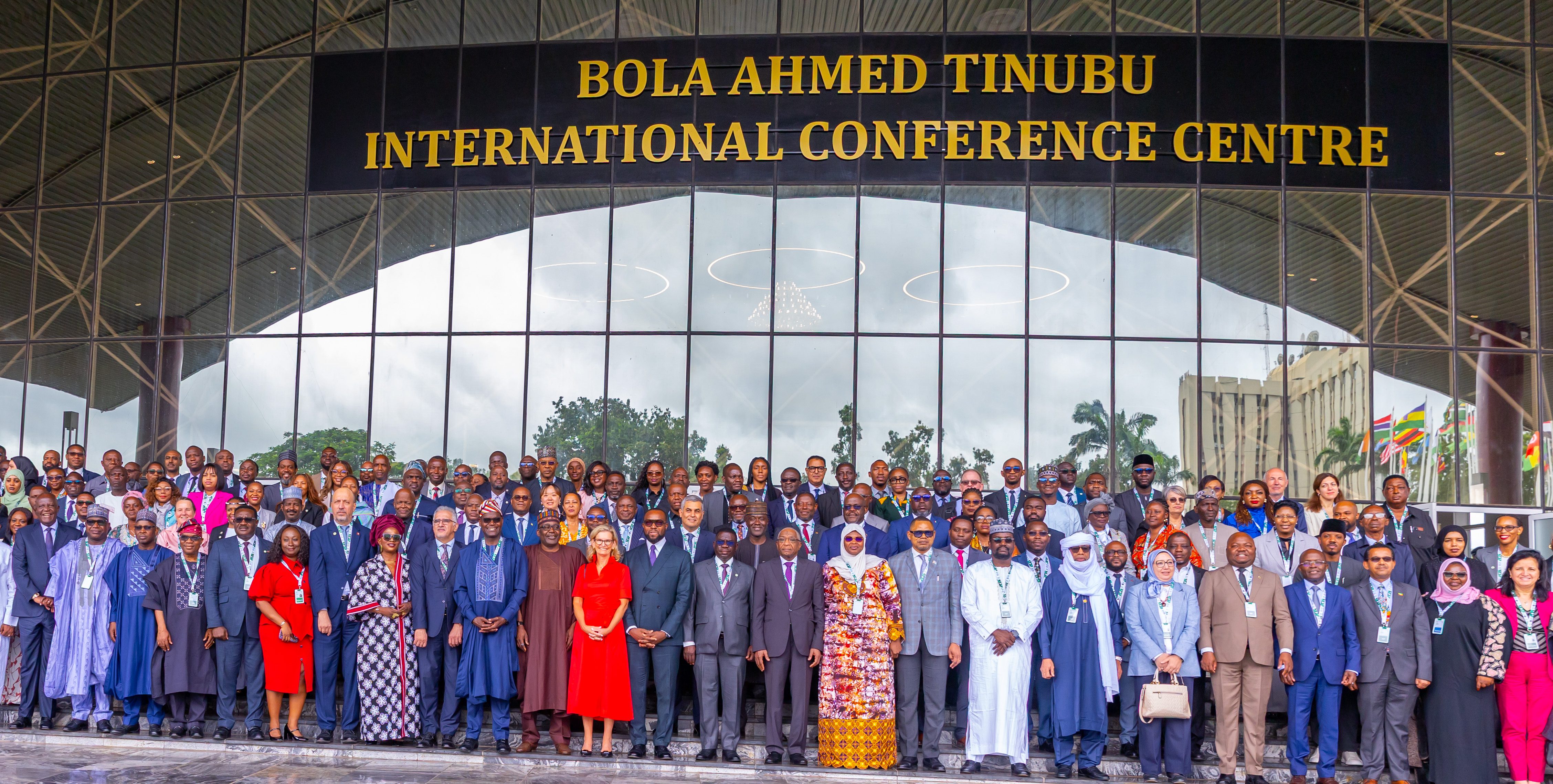
Why the combination matters
Taken together, the two days show a continental body trying to do two different things at once. The ATLAS Network is a bet that Africa’s AI future depends on infrastructure built now, before foreign models fully define how African languages and contexts get represented in the technology.
The contested Secretary General race suggests that translating that ambition into coordinated action will not be automatic, since a four-round vote points to real differences among member states about priorities and pace. For Nigeria, chairing the union through the next cycle means the country now carries some responsibility for reconciling those differences while also delivering on the connectivity and AI commitments it just helped write into the Abuja Declaration.
