


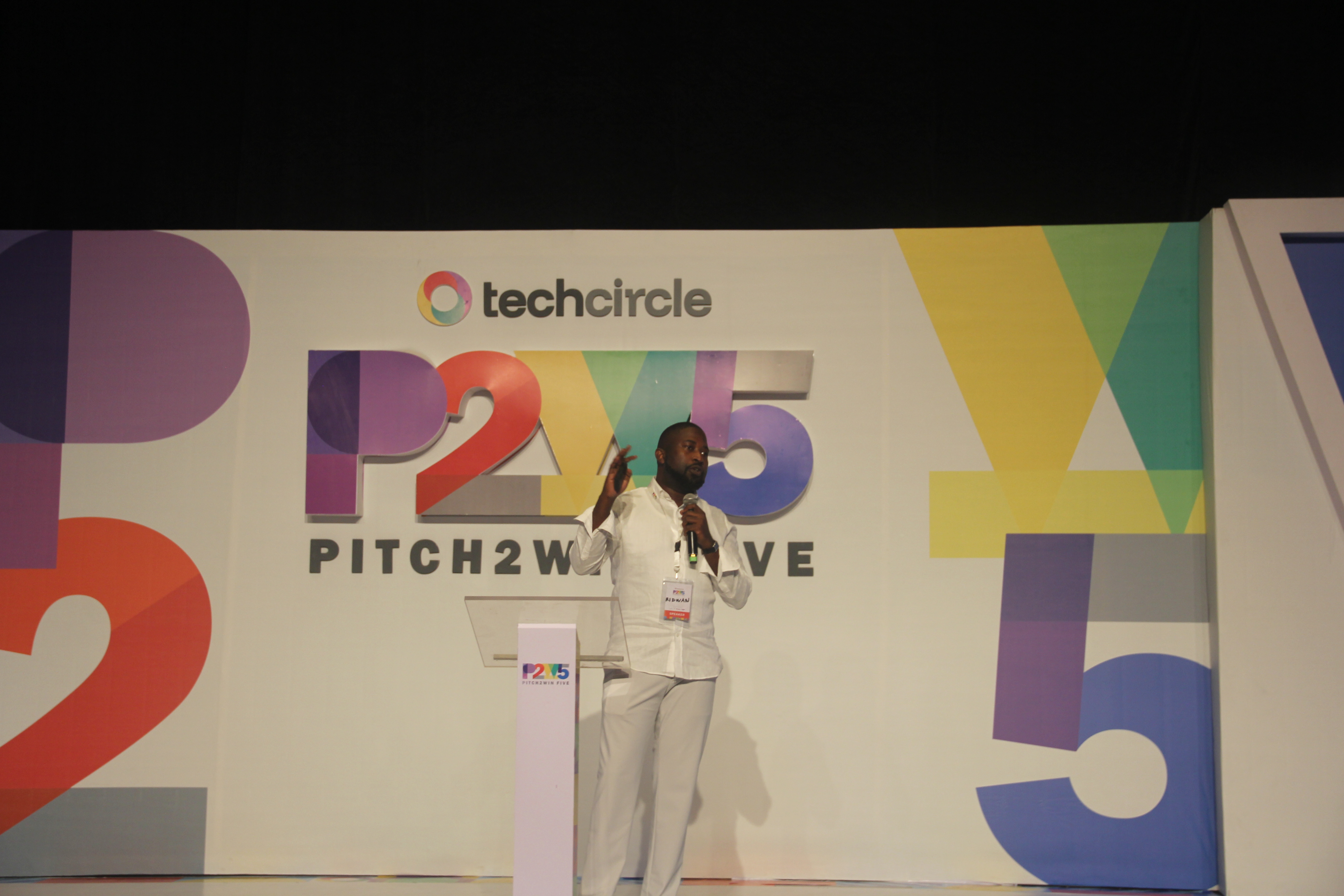
In a high‑energy keynote at Pitch2Win5 on July 30, LemFi founder Ridwan Olalere delivered a masterclass in startup evolution. He walked the audience through the company’s decks, from pre‑seed through to Series A, to illustrate a core truth: growth depends on iteration and starting with imperfect assumptions.
At LemFi’s birth, the idea shifted rapidly. “We kept evolving the entire idea,” Ridwan admitted. Initially, they toyed with stock trading, later pivoting to digital banking, before landing on remittance services targeting the diaspora. That pivot shaped everything: design, market selection, licence strategy and early product features.
LemFi began under the name Lemonade Finance, launching in Canada despite its small Nigerian diaspora there, simply because licensing was faster.
Ridwan recalled: “Should we wait six months to get the UK licence, which was a 50/50 chance, or start in Canada, where we had a licence within that month?” Early adoption mattered more than perfect geography.
The deck contained bold claims, an estimated 170 million Africans in diaspora, but Ridwan laughed: “It’s a lie.” He also described the moment an investor questioned their ambition to compete with giants like Western Union and TransferWise: “You’re in Lagos… telling me we should get $500k to beat these guys. Please don’t waste our time.”
The message: growth starts with bold ideas, even if they rely on flawed data.
LemFi’s early app reflected that ethos. Ridwan quipped: “If you’re not embarrassed about your design pre‑seed or when you’re starting the company, then you’re not starting early enough.” The app had bugs, bland colours and supported only transfers between Canada and Nigeria, yet it worked enough to build early muscle in product development, distribution and user feedback loops.
Financial assumptions were off, too. The pre‑seed deck projected a 2 % transaction fee, but Ridwan admitted they lost money due to processing costs. Flutterwave charges up to 4.5 % on cross‑border card transactions. That reality forced a rapid rethink of pricing and P&L modelling.
Yet that scrappy early phase laid the groundwork. Ridwan shared a personal note: “Save before you start a company,” advice he initially resisted until it became his safety net. He funded engineers, licencing costs and salaries from personal savings when founding the business.

By the seed funding stage, LemFi had validated the model. Ridwan pointed to traction metrics: revenue climbed from $0 to $23,000 monthly, well short of the $300,000 they hoped for, but indicative of real momentum. “There had to be tremendous progress” before Series A investors would engage.
The Series A deck reflected transformation: stronger visuals, sharper market focus, and refined economics. LemFi had grown, tightened metrics like CMGR and ARR, and deepened knowledge and evolved from earlier assumptions to a validated strategy.
Lemfi’s progression aligned with broader growth metrics.
According to reports, LemFi processes $1 billion monthly, up from $2 billion in 2023, driven by $160 million monthly in its Asian corridor, which grew by 30 % month‑on‑month in its first year.
The platform now serves over one million active users across 27 send‑from markets and 20 send‑to countries, including Nigeria, Kenya, India, China and Pakistan. It employs over 300 people globally. The January 2025 Series B raised $53 million, bringing total funding to $85–86 million, and enabling expansion into Europe via a licensing deal with Modulr in Ireland.
Summing up at the keynote, Ridwan said the most important startup principle early on is: “just to start, no matter how small. Then you can figure out the rest later on.” Those words echo in the brutish reality of African startup ecosystems, where licensing delays, currency risk and limited access to capital are constant barriers.
Future horizons are ambitious. Past remittances only, LemFi now positions itself as a multi‑function financial hub for immigrants: remittance, multi‑currency wallets, spending tools and embedded finance products.
The founders aim to enter markets like Europe, South Asia, and possibly the Middle East, backed by regulatory licences and acquisitions like RightCard in the UK or a company in Ireland.

From a storytelling perspective, Ridwan’s keynote delivers vivid takeaways:
- Pivot fearlessly: startup ideas often morph, from stock trading to remittances, if founders stay open.
- Pick a start corridor pragmatically: Canada offered speed in licensing, even if the diaspora size was small.
- Be embarrassingly imperfect early: design flaws and bugs matter less than user validation.
- Use personal capital for credibility: founder commitment signals seriousness to investors.
- Track real traction: showing $23,000 in monthly revenue beats a lofty projection on paper.
- Upgrade narratives over time: decks should evolve to reflect maturity, progressing from assumptions to metrics to a clear vision.
