




The government of Ghana is making strategic plans to license crypto platforms across the country. The move is backed by the need to regulate digital assets amid their growing usage in the country and West Africa in extension.
According to a report, the Bank of Ghana is championing the shift with a regulatory framework in place, which will be passed into law in September 2025. The proposed law will look to restructure cryptocurrencies, attract investment, boost international trade and collect real-time financial data.
In addition, the Bank of Ghana is set to create a dedicated unit to oversee the digital asset sector once the law is enacted. This also signals a coordinated effort to ensure stability and usher in a new era of digital assets usage in the country.

The law, when rolled out, will mark the country’s first formal regulatory framework for virtual asset service providers (VASPs), establishing licensing requirements. Oversight responsibilities will be under the Bank of Ghana and the Securities and Exchange Commission.
A representative from the Bank of Ghana, during a panel at the African Leaders and Partners Forum in May 2025, explained that the legal foundation for the bank’s regulatory role depends on the passing of the Virtual Asset Providers Act. The proposed legislation outlines measures focused on consumer protection, financial stability, cybersecurity, and the integration of VASPs with traditional financial institutions.
According to reports, it is estimated that over 700,000 people, or 2.16% of Ghana’s total population, currently own cryptocurrency. And with the prospective regulation, Ghana will be joining a list of African countries that have legalised cryptocurrency, such as Mauritius, South Africa and the Central African Republic (CAR).
While cryptocurrency regulation is still trying to gain structure in Nigeria, Kenya is warming up to be the latest African nation to regulate its rapidly growing cryptocurrency sector with the Virtual Asset Service Providers (VASP) Bill, 2025.
Read More: What you should know as Kenya introduces bill to regulate crypto.
The move also comes in light of the cryptocurrency surge in the Sub-Saharan region. A 2024 Chainalysis report revealed that Sub-Saharan Africa saw modest growth, receiving an estimated $125 billion in on-chain value between July 2023 and June 2024. This represents a $7.5 billion increase compared to 2023.

Crypto penetration in Ghana
Ghana, a country on the Western coast of Africa, is beginning to climb up the ranks in digital asset adoption. Experts have noted that the country is showing tremendous growth in crypto adoption. According to the latest Cryptocurrency Adoption Index, conducted by Finder.com, Ghana stands 9th among 26 other countries in terms of adopting cryptocurrency.
In the proposed regulation, the Bank of Ghana stated in May that all companies engaged in the cryptocurrency sector will register officially. It also stressed that the implementation of the regulation is expected to have a direct impact on all crypto industry players in Ghana and the West African region.
“All companies operating in this sector are required to submit complete data and fulfil KYC (Know Your Customer) requirements according to international standards. This step is taken to prevent money laundering and funding of illegal activities through digital assets,” the bank said.
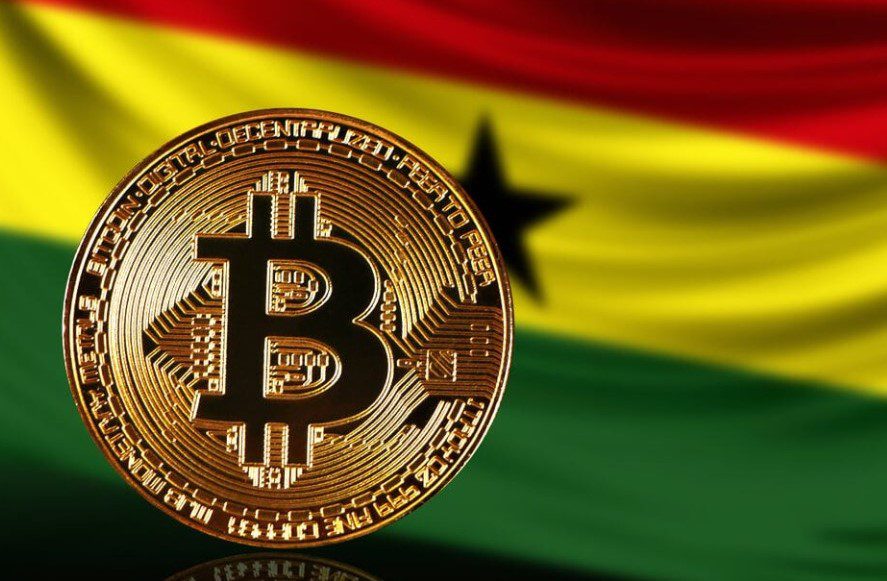
The Bank of Ghana also emphasised that the regulation applies not only to existing companies, but also to new businesses that want to enter the crypto industry.
The Bank of Ghana’s efforts to strengthen regulation also encourage companies to improve security and transparency standards in their operations. This is essential to building a healthy and competitive crypto ecosystem, both at the national and regional levels.
For crypto users in Ghana, this regulation means a concrete guarantee of legal protection in case of disputes or problems with digital asset services.
Globally, this policy shows that African countries are starting to tighten supervision of digital assets for consumer protection and financial system stability. Ghana is positioning itself as one of the pioneers of crypto regulation in West Africa, which has the potential to become a model for neighbouring countries in managing the digital asset industry.
