





Africa is rapidly accelerating its adoption of artificial intelligence, yet a quiet geopolitical battle is unfolding over where the physical brains of this revolution will reside. The continent faces a stark choice: build sovereign compute infrastructure or accept a new era of digital dependency wrapped in convenience. While global technology giants firmly plant their data centres in established hubs like Cape Town, nations like Mozambique are aggressively pushing back against the narrative that they should merely consume foreign models.
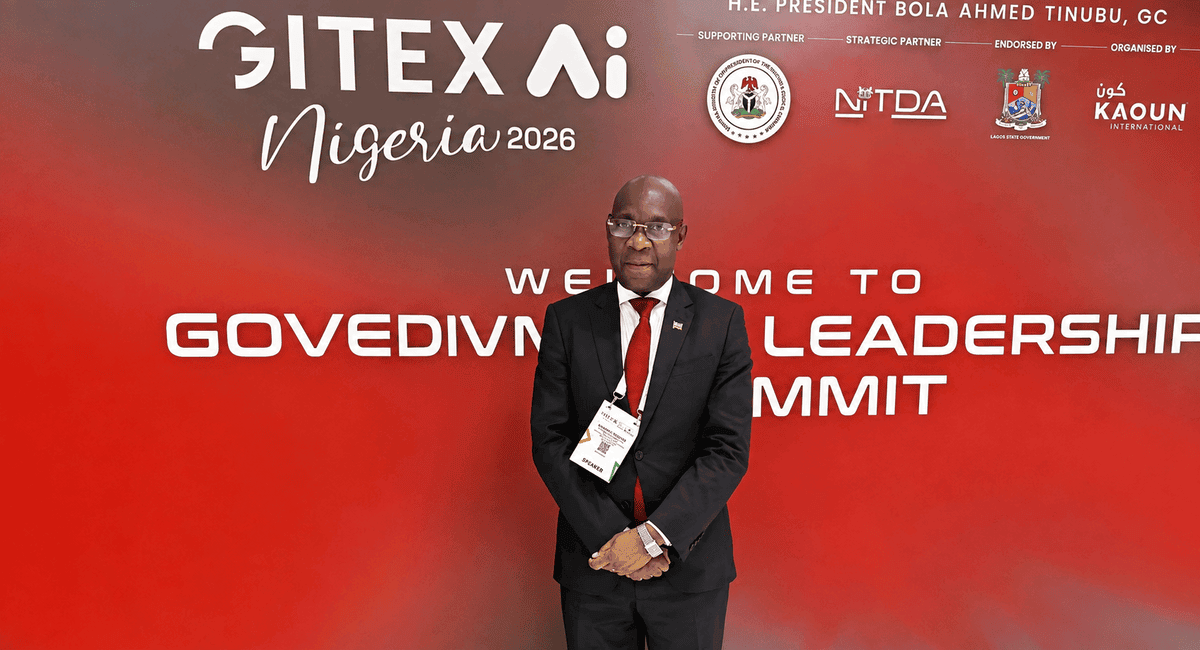
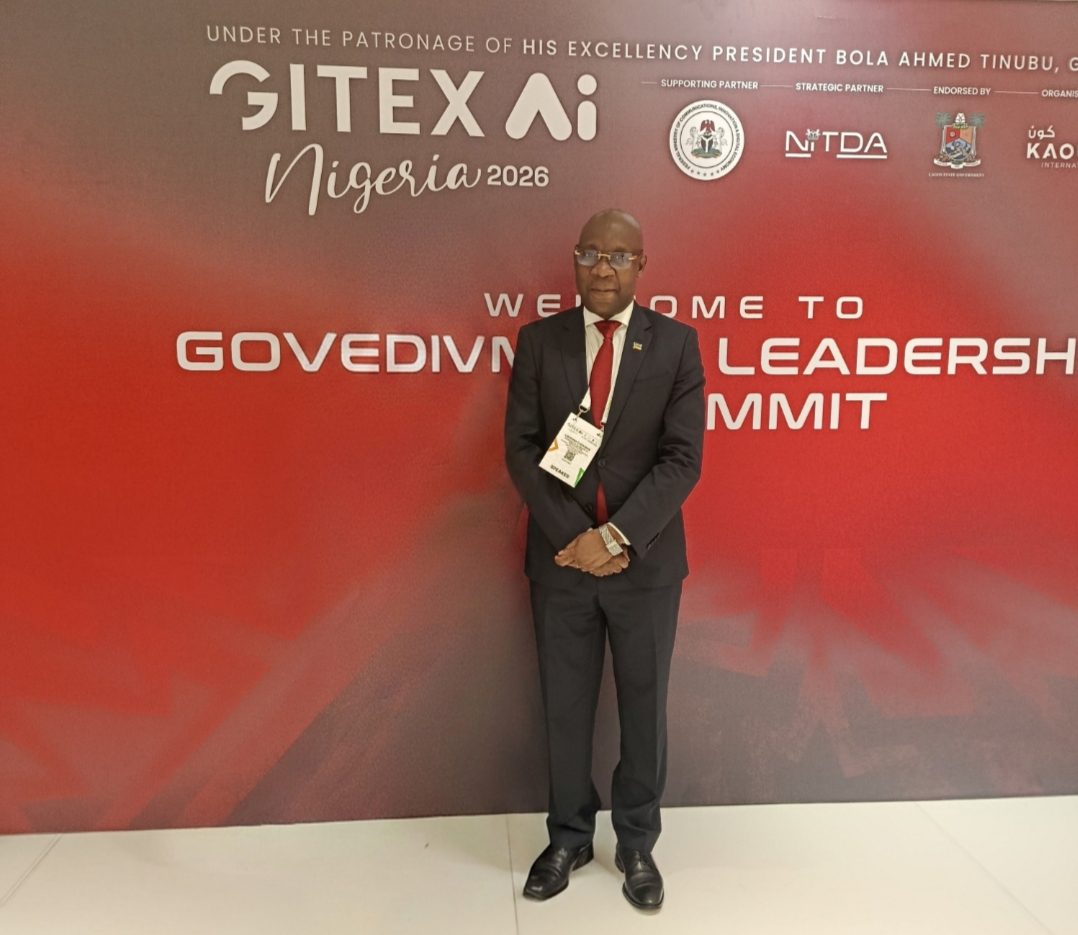
On the sidelines of GITEX Nigeria, Professor Lourino Chemane, President of the Board of Directors of the National Institute of Information and Communication Technologies (INTIC) in Mozambique, offered a defiant yet pragmatic vision for the region. In an exclusive interview, Chemane detailed how Mozambique intends to pivot from being a passive resource provider into a central powerhouse for Southern African AI infrastructure.
Mozambique is not in any competition
The Southern African Development Community has long debated the merits of shared compute pools to drive down the exorbitant costs of data centre ownership. Market realities often route these ambitions straight through existing hyperscaler zones in South Africa. When asked whether a shared strategy merely replaces Western reliance with dependence on Johannesburg or Cape Town, Chemane rejected the premise of a zero-sum game.
“We are not looking at this from a competition point of view with South Africa,” Chemane stated emphatically. “If you are aware of the AI industry, you do not need to concentrate computing power in one single country. You need to distribute it in the region. We want to explore the possibility of Mozambique being another country that can complement the compute power that is in Cape Town or South Africa.”

This cooperative positioning is backed by aggressive national asset leverage. Mozambique boasts immense power-generating capacity through hydro, solar, and gas, alongside vital water resources for cooling and a long coastline ideal for submarine fibre optic cables. The goal is clear: use these natural advantages to attract hyperscalers outside major urban centres, transforming the nation into a regional digital hub that complements rather than competes with its neighbours.
Guarding the gold of the 21st Century
The rhetoric of shared continental infrastructure is compelling, but execution is fraught with regulatory hurdles. If neighbouring states enact rigid data localisation laws to protect their sovereignty, a shared compute hub becomes a legal impossibility for cross-border model training.
Chemane acknowledged this severe friction, pointing to the African Union data governance strategy as the foundational blueprint for regional interoperability. “Data is regarded as the gold of this century, and Africa should take that into consideration when building its AI infrastructure,” he noted, echoing his consistent public stance on digital sovereignty. The framework INTIC is developing allows for cross-border data exchange without compromising national security, anchoring itself heavily on the principle of citizen consent.
Furthermore, Mozambique is ensuring its local innovators are not sidelined by international tech monopolies. The government is actively working alongside private legacy telecom operators like Vodacom to align public policy with commercial and developmental realities. Recent consultations with Vodacom Mozambique in August highlighted a shared focus on empowering digital entrepreneurship and academia rather than merely cementing infrastructure monopolies for telecom giants. The regulator recognises that operators driving digital payment systems are vital partners in shaping a robust digital economy.
Building capacity beyond sandboxes
Creating policy is one thing; providing raw compute power for local startups is entirely another. Recognising this critical gap, INTIC has secured support from the International Telecommunication Union to establish an AI regulatory sandbox. Chemane was clear that sandboxes must function as more than empty playgrounds for policy theorists.
“This will be part of our policy that the government will mobilise resources to establish compute, and this compute should be made accessible to the digital entrepreneurship community,” he explained. The intent is to foster national AI models that cater to local languages and cultural nuances, which are areas where foreign-trained models inherently fall short. By testing international models in these sandboxes before they are deployed in sensitive sectors like healthcare and education, the government aims to mitigate risks to Mozambican citizens.
This cultural preservation is intrinsically tied to ethics. Mozambique is serving as a pilot country for the adoption of UNESCO AI ethics, ensuring a human-centred approach to technological advancement. While strict ethical compliance can be a costly burden for early-stage startups, Chemane views it as entirely non-negotiable. He argued that ethics must not be seen merely as a regulatory checkbox but as a fundamental dimension of human rights. Achieving this requires unified funding from the public sector, potential sovereign wealth funds, and international development partners to ensure local innovators are not choked by compliance costs before they can scale.

The overarching message from the leadership at INTIC is one of defiant optimism. Mozambique is structuring its digital future not in isolation, but as a critical node in a pan-African network of technological sovereignty. The objective is to harness the country’s vast natural resources to fuel a digital economy that prioritises local job creation and data protection over unchecked foreign extraction.
“In the same way we struggled for the independence of our country, we have to struggle now to make sure that Mozambique will continue to be a sovereign state in the digital era,” Chemane asserted.
As African nations navigate the complex realities of global AI adoption, Mozambique presents a strategic blueprint that demands attention. True digital sovereignty will not be achieved by building defensive regulatory walls but by securing the foundational computing infrastructure that will power the continent for decades to come.
