




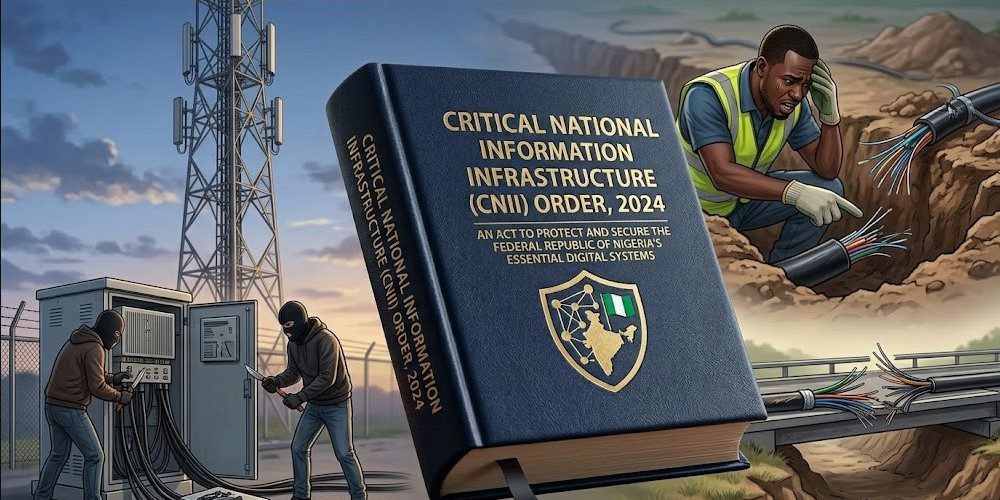
On June 24, 2024, President Bola Ahmed Tinubu signed the Designation and Protection of Critical National Information Infrastructure (CNII) Order, 2024, into law, coming 23 years after telecoms gained massive entry into Nigeria.
The decision was a long-awaited framework following several reported cases of vandalism and equipment theft in the industry. Given that these 1 or 2 incidents result in voice and data disruptions and a drastic impact on business operations, the time had become ripe for such regulation.
The order officially designates telecommunications equipment, such as towers, switch stations, diesel generators, batteries, cables, data centres, submarine and fibre optic cables, and other facilities, as critical infrastructure. According to the framework, damaging any of the equipment is an offence liable to strict punishment.

Specifically, the act stipulates that anyone who damages CNII is liable, upon conviction, to a prison term of up to 10 years without a fine. Not only that, if the offence results in grievous bodily harm, such an offender could face up to 15 years in prison. And if the offence results in death, the offender could face life imprisonment.
Of course, the ruling was there, and implementation followed. But here comes the reality that abounds. Almost two years, or say 23 years after it was signed into law, the effect has hardly been felt.
A series of data about the ruins of telecoms equipment theft and fibre cuts has gradually become a norm for the industry. This has further birthed daily complaints on the poor quality of service emanating from various cases of network outages.
The figures are alarming. However, let’s start with recent reports.
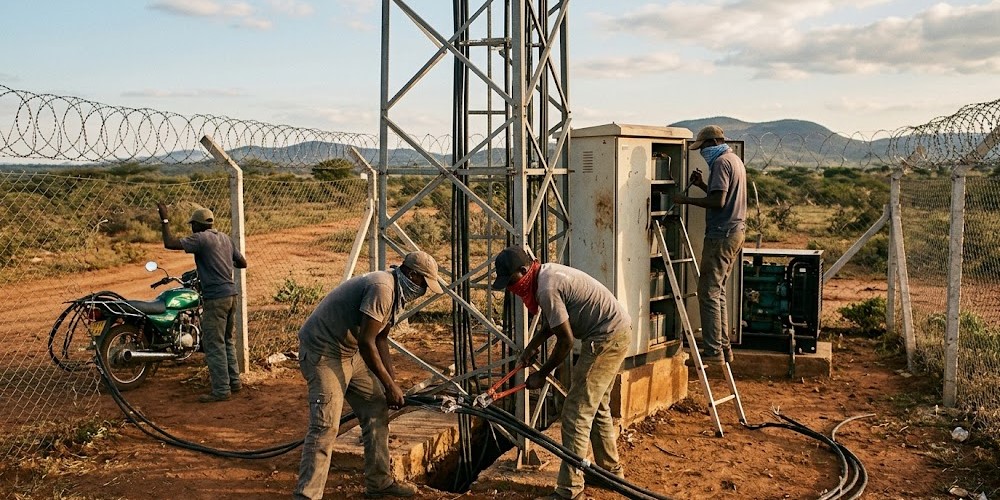
The Nigerian Communications Commission’s (NCC) Quality of Experience (QoE) data update reveals that telecom operators experienced 5,934 fibre-cut incidents between January and March 2026, averaging nearly 500 per week. Also, there were 469 cable thefts, 346 cases of diesel thefts, 106 battery thefts and 36 cases of generator theft.
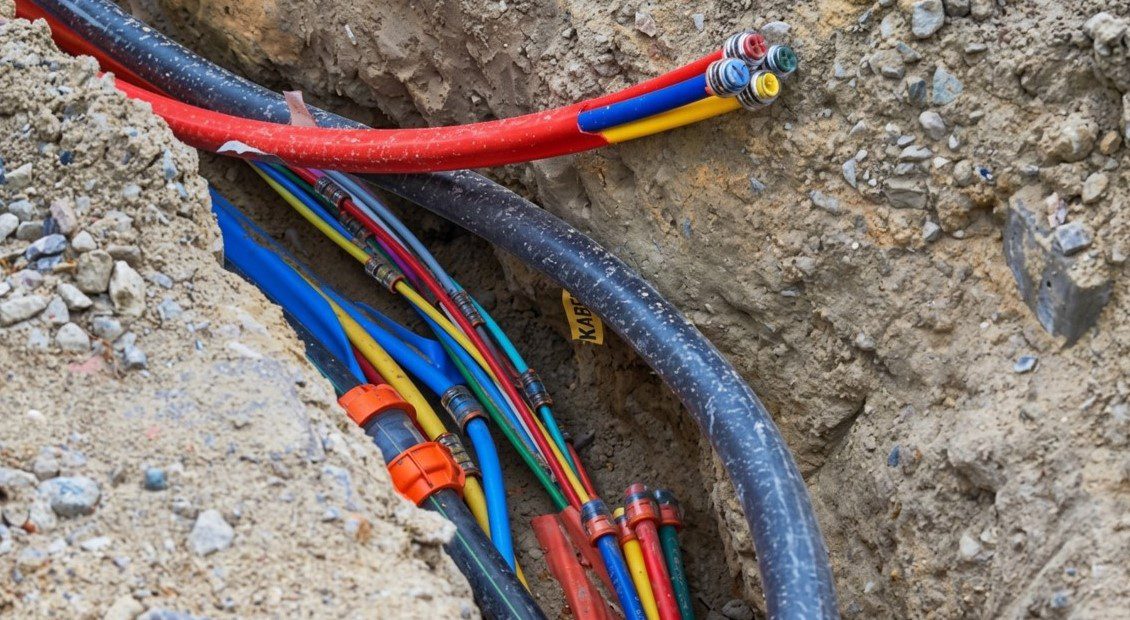
Aside from these thefts are fibre cuts. The NCC recently shared that there were over 27,000 avoidable fibre-cut incidents, primarily linked to road construction and vandalism in 2025.
Also Read: Telecoms: Despite complaints about poor service, NCC says network quality is improving.
Is CNII toothless against telecom theft and vandalism?
Despite the introduction of CNII to curb equipment vandalism and theft, the issue persists.
At some point, when there were viral complaints of poor network quality, the NCC directed mobile network operators (MNOs) to compensate subscribers who experienced epileptic network. This drastic step reveals the status of an industry struggling to offer quality networks for over 180 million subscribers.
23 months after its introduction, why has the CNII been ineffective?
Weak legal sentences: Despite claims that security agencies, such as the Nigeria Security and Civil Defence Corps (NSCDC) and Office of the National Security Adviser (ONSA), are clamping down on criminals, the number of cases compared to reported arrests and convicts is not add up.
In fact, there have only been a little above 10 cases where vandals of public infrastructure, most notably electricity, were sentenced to 10 years’ jail. This reveals the weak usage of the CNII framework, or say, a gap in judicial sentences.

During a recent interview in Lagos, ATCON president, Tony Emoekpere, noted that instead of being handled with strict measures, they are being treated with levity. He called for urgent legal reforms to strengthen enforcement, noting that the current framework to safeguard telecoms equipment is lagging.
“People are being caught, but the offences are still treated as petty crimes. That limits the impact. CNII needs stronger legal backing, such as an act or executive order to give it more teeth,” the ATCON president said.
The corrupt supply chain: That a buyer exists somewhere to procure stolen batteries, generators and cables for the markets is enough for vandals and thieves to dwell in these acts. Reports suggest most of these batteries are being refurbished as inverters or solar panel batteries.
The black market is a major enabler of this atrocity. Once vandals know they have a buyer out there waiting to buy less from them and resell at a higher price, the fear of being caught becomes defeated. Until the supply chain is broken, these incidents will persist.
Avoidable fibre cuts by construction companies: Over the past few months, the NSCDC has laid more emphasis on how construction companies engage in negligent practices leading to avoidable damage to fibre-optic cables during road construction.
At some point, the NCC and NSCDC warned that individuals, construction companies, or government contractors who damage fibre optic cables will face applicable sanctions as contained in the Cybercrimes (Prohibition, Prevention, etc.) Act 2015.
Right-of-way and state-level barriers: Free access to deploy telecom equipment is still an issue, especially in rural areas where thefts and vandalism are on the rise.
Even when operators are charged exorbitant rates by various state and local governments to deploy these ‘national assets’, right-of-way areas are frequently compromised by physical sabotage and cable thefts.
These issues are enough to make laws ineffective, thereby causing damages that seem beyond control. While CNII gives telecom assets the status of national property, weak prosecution, small penalties and a corrupted supply chain make the Order ineffective.
