




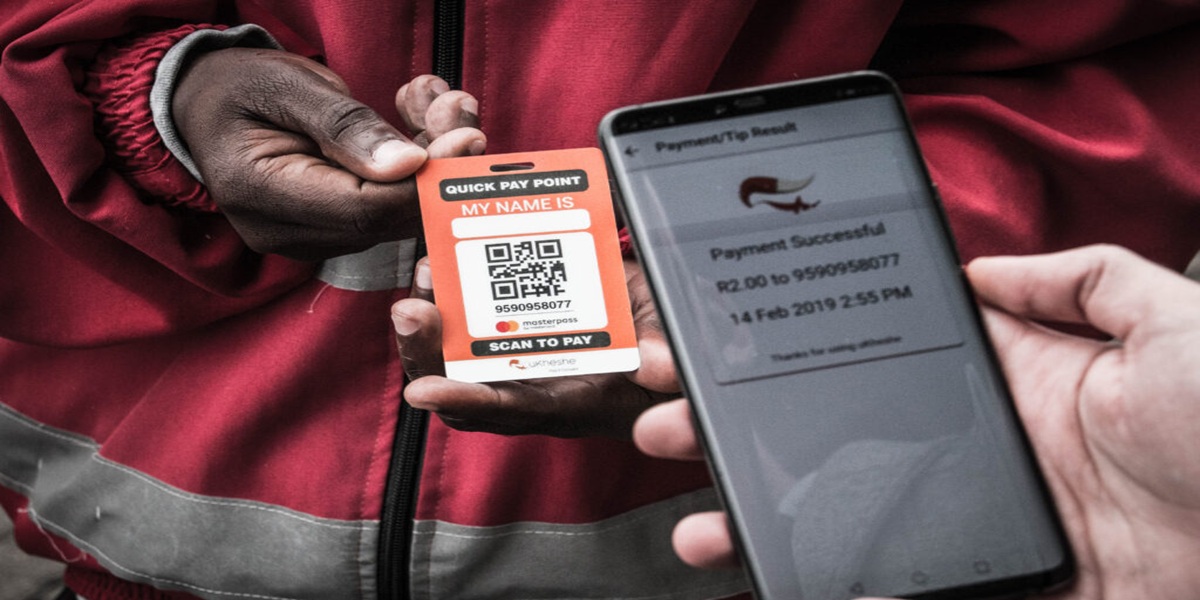
Africa’s instant payment systems handled 71.4 billion transactions totalling $1.8 trillion in 2025, nearly three times the volume seen in 2021. Despite this significant growth in digital payments, cash still plays a major role in daily transactions. Concerns about failed transfers, fraud, and customer protection are impacting trust in these systems.
This information comes from the 2026 State of Inclusive Instant Payment Systems in Africa report (SIIPS), created by the AfricaNenda Foundation in collaboration with the United Nations Economic Commission for Africa and the World Bank Group. Released on November 19, the report highlights that 89% of African adults live in areas with access to instant payment systems.
The continent now boasts 39 operational systems, 35 domestic systems across 29 countries and four regional systems serving 32 countries, allowing for instant payments in 43 African nations.
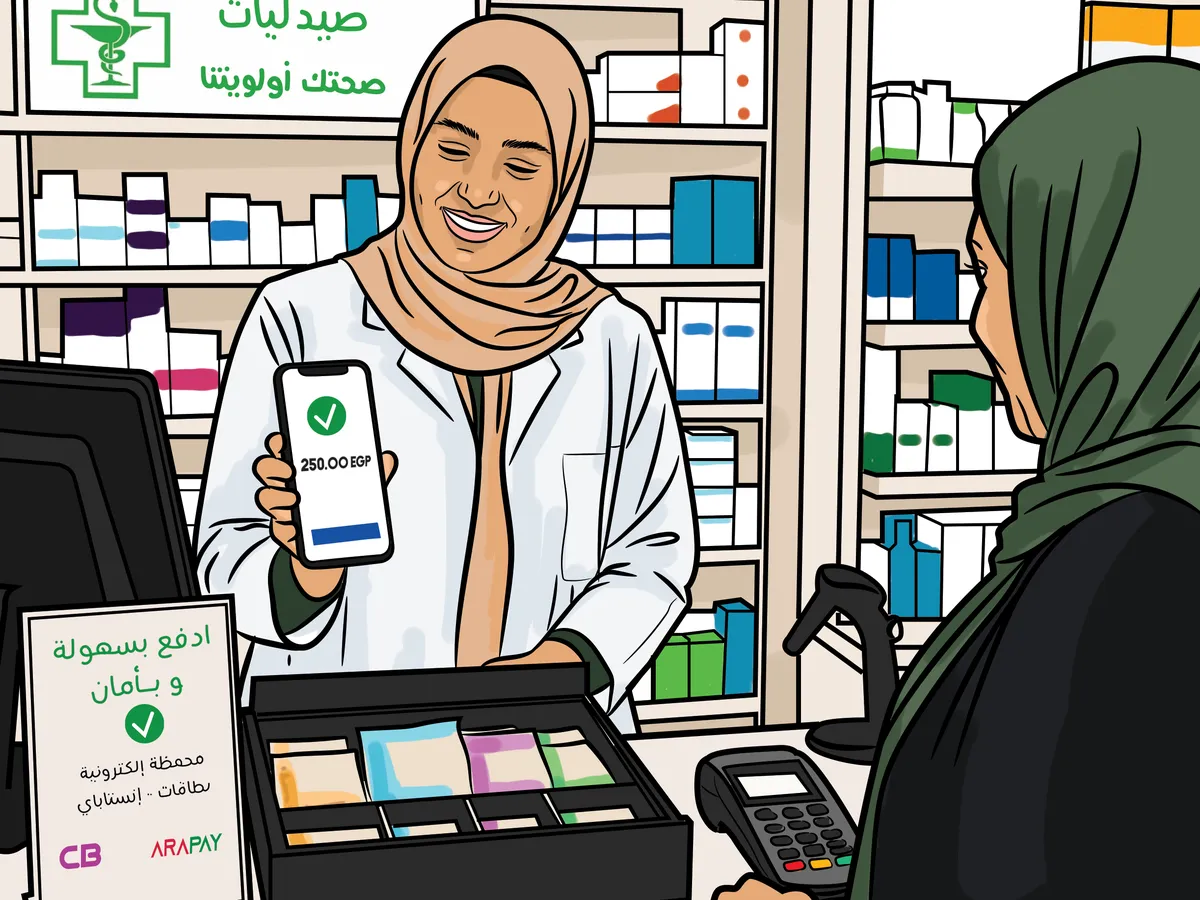
However, access to these systems does not guarantee usage. A survey of 1,403 digital payment users across 15 African markets revealed that 55% still rely on cash for about half their transactions, while only 33% reported using digital payment methods most of the time.
For banks, fintech companies, and payment service providers, these findings indicate that merely expanding access is not enough. They need to build trust and confidence among customers in order to encourage the use of digital payments for everyday purchases and other financial activities.
More payments are moving online, but cash is still holding on
The rise in transaction volumes indicates that instant payments are becoming increasingly important in Africa’s financial landscape. According to a recent report, these transactions grew at an average annual rate of 28% from 2021 to 2025, totalling 71.4 billion transactions. Interestingly, the average transaction value decreased from $45 in 2021 to $26 in 2025. This trend shows that more people are using instant payment systems for small, everyday purchases rather than just for occasional large transfers.
Mobile money plays a major role in this growth, making up 73% of all instant payment transactions by 2025. Cross-domain systems, which allow various providers like banks, mobile operators, and fintech companies to transact together, accounted for 67% of transaction value.
The ecosystem is also diversifying, with four new payment systems launched between June 2025 and July 2026 in countries like Burundi, Guinea, and Liberia. Additionally, a new regional system is set to support the eight countries in the West African Economic and Monetary Union, while 17 more countries have instant payment projects in development.
Despite this progress, a significant challenge remains: gaining users’ trust in these systems. The report found that over half of users had faced payment issues, such as delays or sending money to the wrong person. Alarmingly, 33% of those who encountered problems never reported them, mainly because they didn’t know how to file a complaint.
This lack of feedback creates a dilemma for payment providers. If a customer loses money due to a failed transfer and cannot recover it, they might be reluctant to use digital payments again. The report highlights that users who lost money without a refund were less likely to use digital options, while those who received their funds back sometimes increased their usage.
Similar read: Airtel Money’s profit jumps to $228 million as payments and transfers revenue grows 33%
Sabine F. Mensah, Deputy CEO of AfricaNenda Foundation and lead author of the report, emphasised that the industry’s focus needs to shift beyond just providing instant payment options. “The question has changed. It is no longer whether Africans can pay instantly, but whether they trust the system enough to stop reaching for cash,” Mensah said.
She pointed out that trust hinges on practical features like instant transaction processing, verifying recipient names, and receiving real-time confirmation messages. Additionally, customers need access to support and a way to recover their money if something goes wrong.
Nigeria’s instant payment system ranks highest for inclusivity
Nigeria stands out as a market where instant payments are now a routine part of daily financial life. Its NIBSS Instant Payment (NIP) system is the only one in Africa that received the highest “mature” inclusivity rating in a recent report.
This rating goes beyond just how fast transactions are processed. It looks at how well different payment providers can connect to the system, the variety of transactions it supports, protections for consumers, and how easy it is for users to solve any issues that arise.
The report also highlights that Nigeria’s NIP is beneficial for many small businesses, as it eliminates the need to hold funds in advance, often called float, and lowers the costs involved in reconciling payments.
Across Africa, the report found that nations with instant payment systems saw about a seven-percentage-point increase in active financial account usage compared to those without. It also estimated that GDP per capita grew around 17% faster in countries that adopted instant payments early on. However, the authors noted that these findings are initial observations and not definitive proof that instant payments alone caused these economic improvements.
For the payments industry as a whole, the takeaway is clear: improving infrastructure must also lead to a better experience for customers. Payment operators should strengthen fraud prevention, provide clear transaction confirmations, and create accessible channels for complaints. Regulators also need to ensure that customers have effective avenues for seeking help.
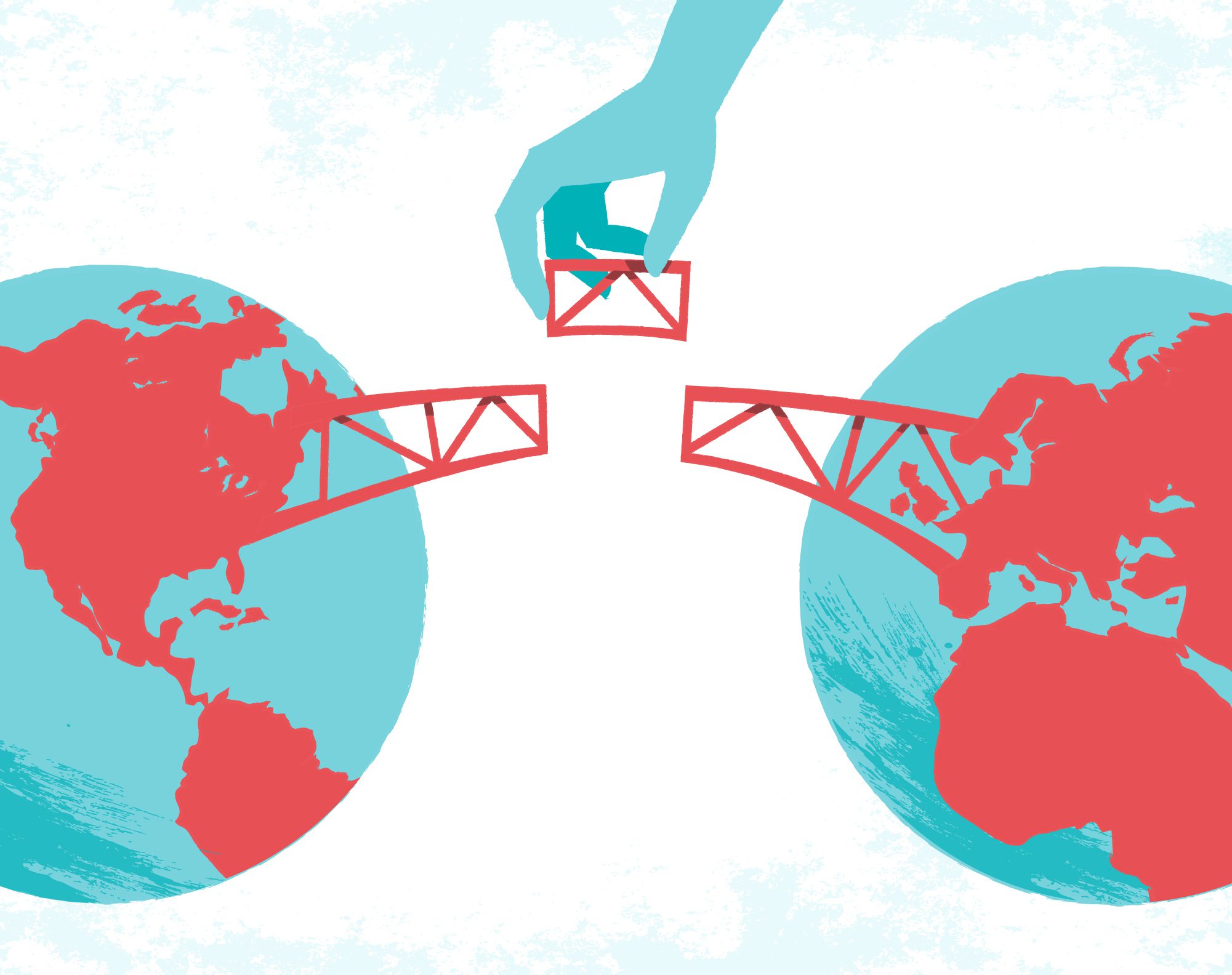
Dr. Robert Ochola, CEO of AfricaNenda Foundation, emphasised that Africa has rapidly developed its instant payment infrastructure thanks to local software engineers and designers. “The next five years must be about making these systems affordable to use, safe and sustainable to run,” Ochola said.
Looking ahead, the report suggests that Africa’s next milestone in payments will not just be about handling more transactions; it will focus on building trust in digital payments so that more people and businesses feel confident enough to replace cash in their daily lives.
See also: Can the IMF and World Bank’s new fraud blueprint make digital payments safer for Nigerians?
