



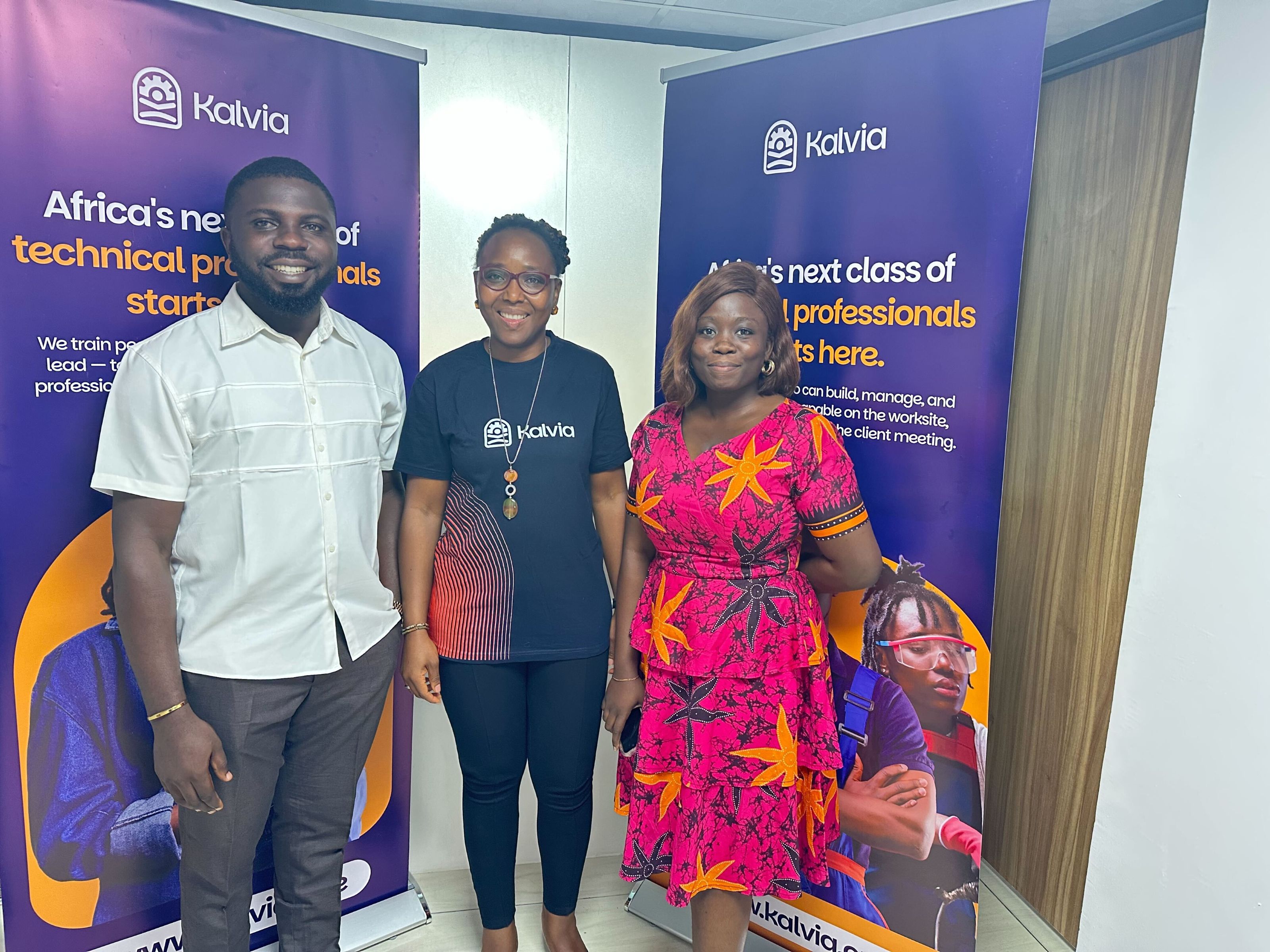
Nigerian workforce development company Kalvia has officially opened applications today, November 16, 2026, for its first cohort of 200 trainees, who will undergo four months of practical training in five technical trades, with scholarships and flexible payment options available to applicants who cannot afford the ₦500,000 tuition fee.
The programme, scheduled to begin on February 15, 2027, in Ikeja, Lagos, will cover carpentry and joinery, plumbing and pipe fitting, electrical installation and maintenance, heating, ventilation and air conditioning (HVAC), and solar maintenance and support.
Kalvia is working with the Industrial Skills Training Centre (ISTC), the training arm of the Industrial Training Fund (ITF), to deliver the programme, which combines technical training with entrepreneurship, business management and professional development.
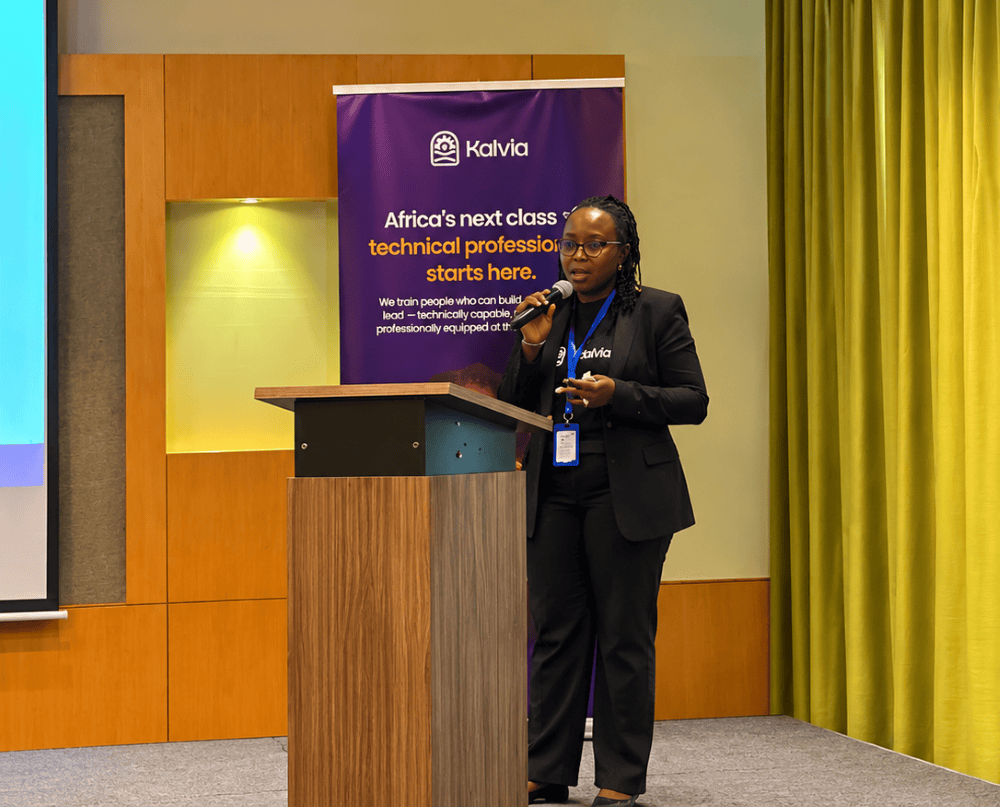
Speaking ahead of the application opening, Kalvia’s co-founder and Chief Operating Officer, Toun Roberts, explained that the initiative is designed to help Nigerians build careers in skilled trades, particularly young people who want to acquire practical skills and begin earning without necessarily waiting to complete university education.
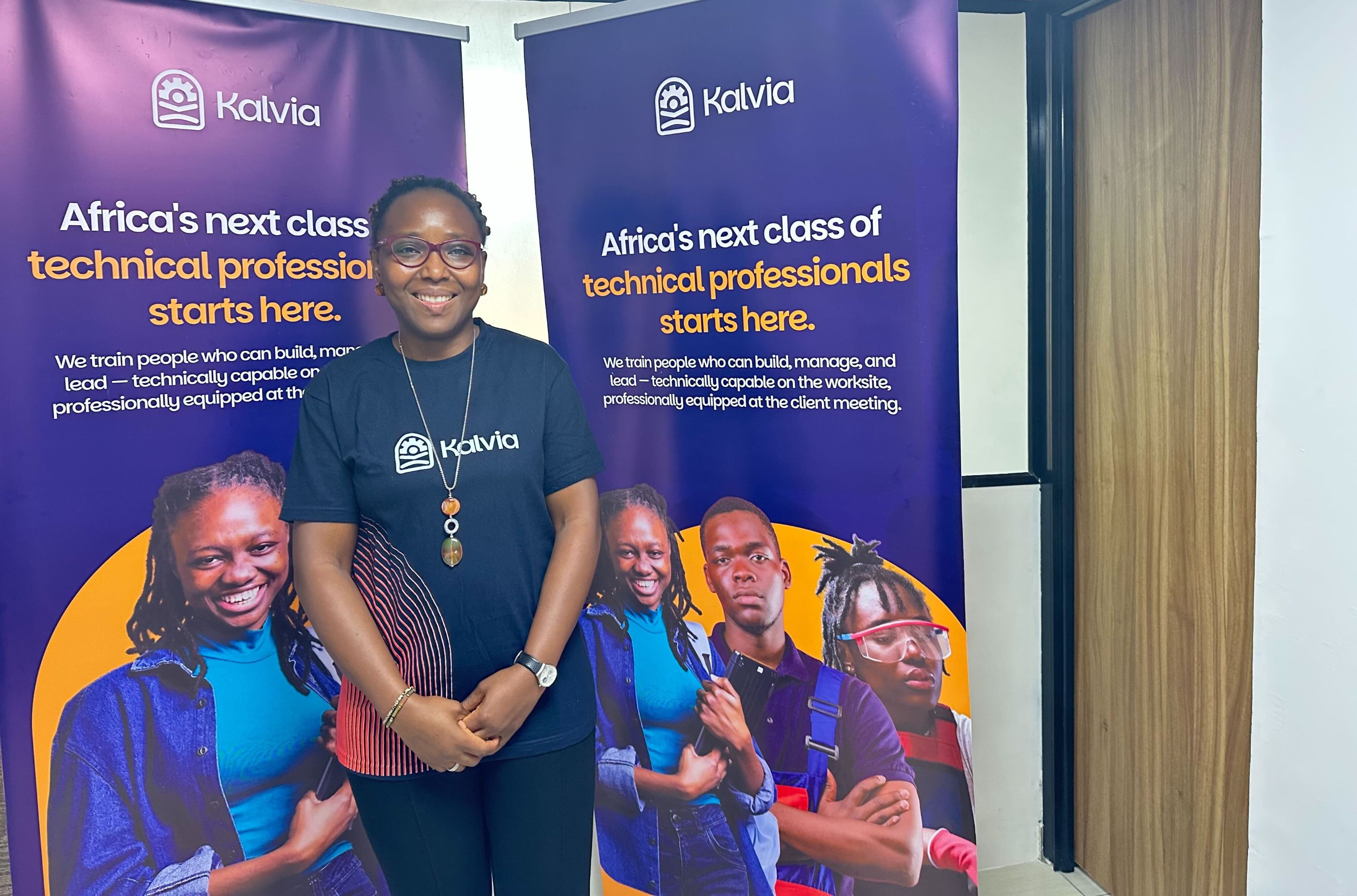
“For us, it’s important we catch them young. No prior experience is required,” she said, adding that the company wants to establish professional standards from the beginning of each trainee’s career.
Who can apply, and how much will it cost?
According to Roberts, applications are open to Nigerians aged 16 and above, although applicants below 18 will require parental or guardian involvement during admission. The company has also removed its proposed upper age limit following recommendations from stakeholders, with plans to introduce a separate training pathway for mature learners.
Similar read: Kalvia wants to tackle unreliable artisan services with new digital marketplace
Roberts also disclosed that the four-month programme costs ₦500,000, but successful applicants who demonstrate financial need could receive full scholarships funded by corporate organisations and individual sponsors.
She explained that the company is seeking sponsorship to cover tuition and transportation costs for applicants who cannot afford them, while instalment payment arrangements may also be available.
“If we don’t get sponsorship, we can’t apply the sponsorship to trainees as well,” Roberts explained, stressing that scholarships would depend on available funding.
Kalvia’s training, job placement and digital marketplace
Kalvia plans to admit 40 trainees into each of the five trades, with participants spending three days weekly on practical technical training and two days learning entrepreneurship and business management.
Upon graduation, participants will have opportunities to work directly with Kalvia, secure employment through partner organisations or establish independent businesses, with the company developing a digital marketplace to connect trained artisans with households and businesses requiring their services.
The platform will match customers with technicians based on their assessed skills and experience, while providing supervision, quality checks and customer feedback systems to ensure jobs are completed to the company’s standards.
Kalvia also plans to introduce a three-month warranty on qualifying services delivered through the marketplace, allowing customers to receive free repairs when faults arise directly from work previously carried out by its technicians.
“Our services are going to be insured and warranted,” Kalvia’s founder, Khafid Gbadamosi, had explained during an earlier stakeholder engagement, describing the warranty as part of the company’s effort to improve customer confidence.
The application opening follows Kalvia’s recent inauguration of three advisory councils representing young people, trade experts and employers, whose recommendations will guide its training standards and employment plans.
Interested applicants can visit www.kalvia.one for registration details or contact the admissions team at admissions@kalvia.one.
