



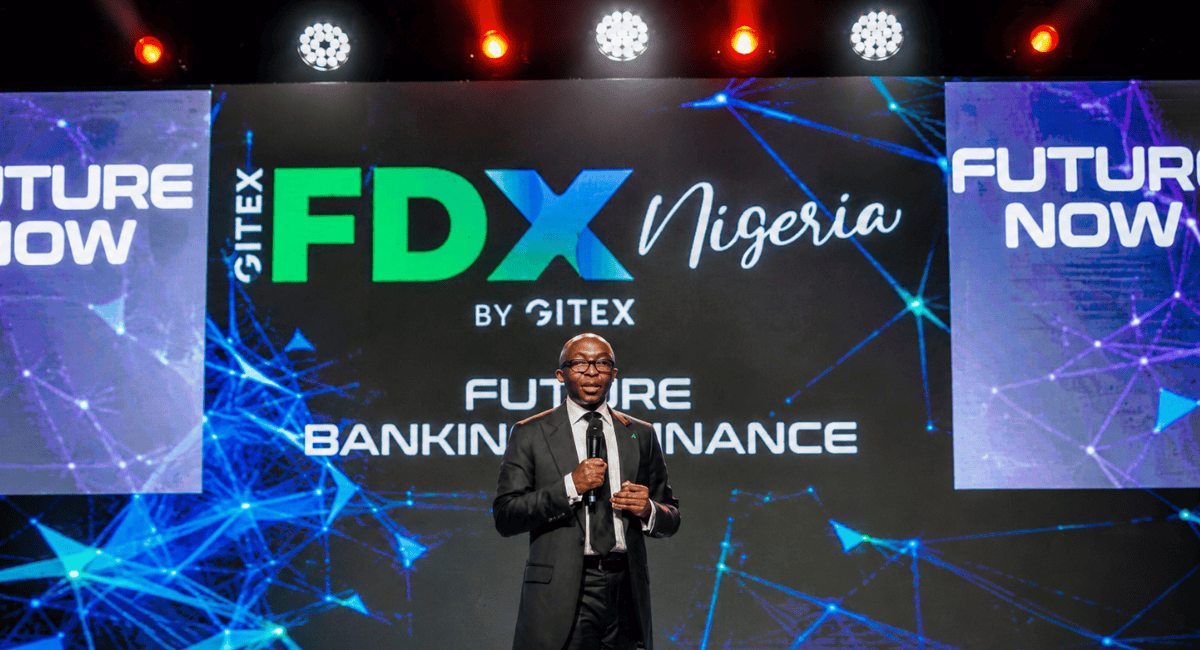
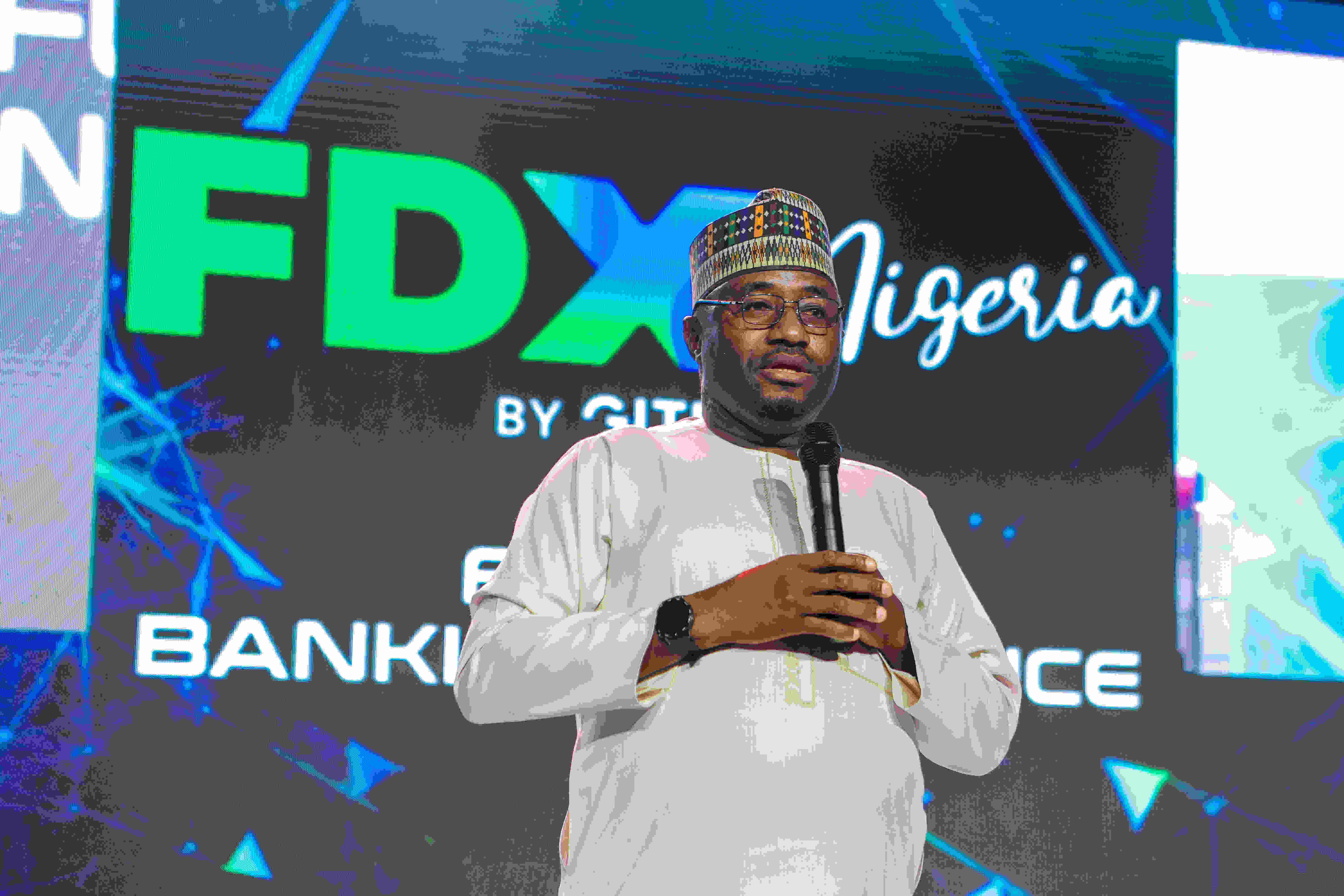
Dr Armstrong Ume Takang, the Chief Executive Officer of the Ministry of Finance Incorporated (MOFI), stood before a packed room at GITEX Nigeria and highlighted a painful reality that many in the ecosystem whisper about but rarely address on main stages. He lamented the historically low capital positioning by Nigerians in the country’s teeming startups.
His argument was simple but piercing: indigenous founders build brilliant solutions, but when these startups become profitable or reach a liquidity event, the massive upside flows aggressively to offshore angel investors and venture capitalists.
And this is not a hypothetical scenario.
Independent market data reveals that in 2024, Nigeria led the continent in venture capital inflows, attracting roughly $1.18 billion out of Africa’s total $3.6 billion venture capital pool. The technology sector alone soaked up 82 per cent of all venture capital activity in the country between 2020 and 2024.
Yet, because local capital participation remains disproportionately low at the early funding stages, the financial rewards of these successful ventures bypass the domestic economy. The innovation is local, but the wealth generated is exported.
Takang sees this dynamic as a monumental missed opportunity. As he spoke, the gravity of the lost returns resonated with the founders and local investors in the room. The conversation quickly shifted from lamentation to a structural blueprint for reclaiming the financial benefits of local innovation.
GITEX’s MINT AFRICA and the blueprint for indigenous ownership
This structural blueprint took centre stage with the official announcement of MINT AFRICA by GITEX.
Launched under the broader theme of the future of banking and finance, this new platform is set to debut in 2027. MINT AFRICA will bring together money, innovation, new technology, and transparency to accelerate the transformation of the continent’s financial economy.
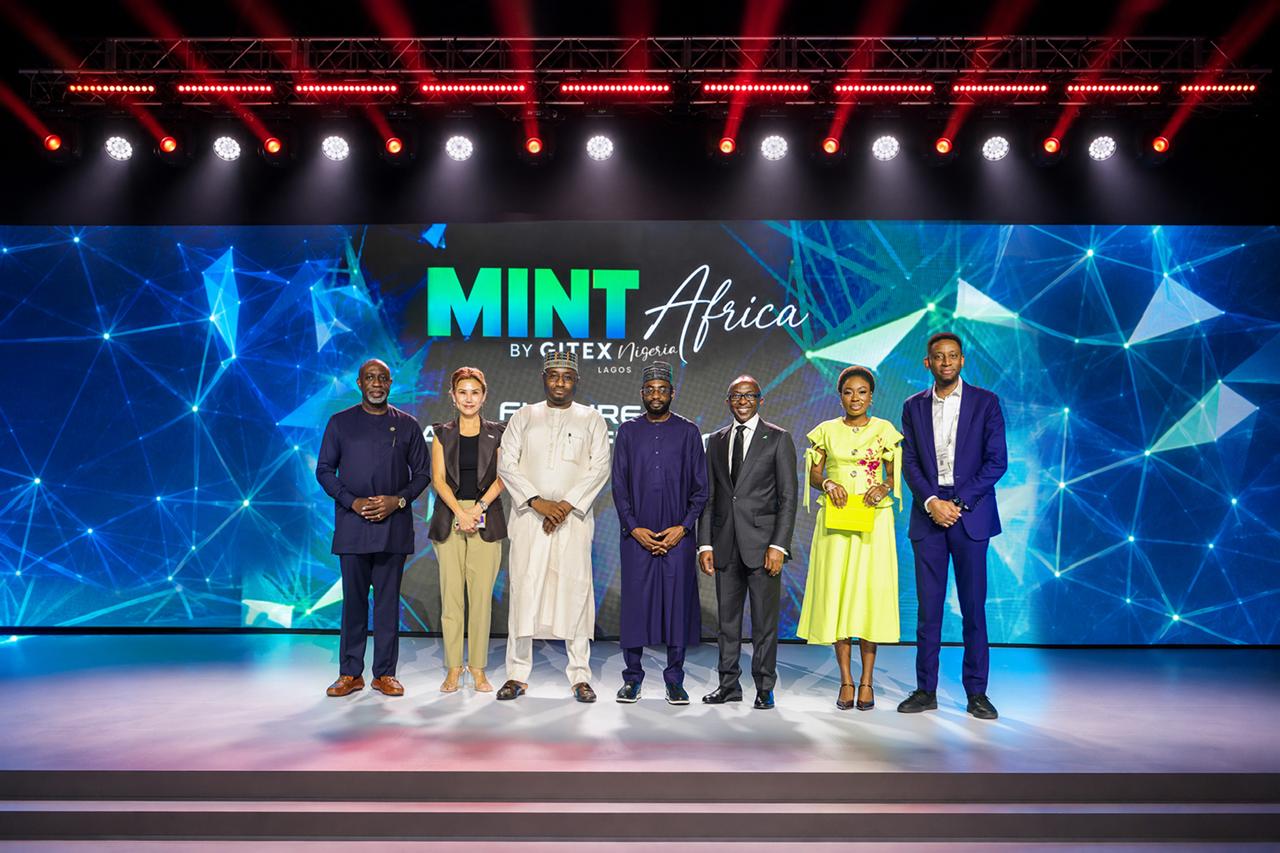
The platform will convene regulators, institutional investors, banks, and digital-asset innovators at a critical inflexion point where money is becoming programmable and real-world assets are being tokenised. For Takang, this shift toward programmable assets presents a direct solution to the problem of lost capital.
He argued passionately for the need to tokenise government assets, making them widely available to domestic investors. “As we create digital tools that allow us to tokenise assets and make those assets widely available to investors, are Nigerians going to continue taking a back seat while others see the value, invest and benefit from the upside?” Takang asked the audience. “Or are we going to become active participants in the evolving digital asset ecosystem?”
This push aligns seamlessly with MOFI’s aggressive expansion strategy.
The agency recently initiated a partnership with the Nigerian Exchange to grow its Assets Under Management from N18 trillion to an ambitious N100 trillion within the next ten years. Tokenising state assets could provide the exact mechanism needed to democratise wealth creation, allowing ordinary citizens and local institutions to hold a stake in high-value national resources.
The urgency of this transition was echoed by other key figures at the event. Lagos State made a powerful case for its role as the undisputed anchor for this financial revolution. Nigeria remains Africa’s largest financial technology ecosystem, and Lagos sits precisely at the intersection of market scale, entrepreneurial talent, and capital.
Tunbosun Alake, Honourable Commissioner for the Ministry of Innovation, Science, and Technology in Lagos State, reinforced this narrative. He observed that Africa does not suffer from a shortage of financial innovation. Rather, it suffers from a lack of the specific conversations that turn raw innovation into signed, executed deals.
The Future of Finance is explicitly built to close that gap, focusing on deal-making over mere celebration.
Engr. Ganiyu Oseni, Special Adviser on Technology, Broadband and Innovation to the Governor of Lagos State, delivered a pragmatic assessment of the city’s readiness. He noted that you cannot simply regulate a digital economy into existence; it requires fundamental infrastructure. Over the past seven years, Lagos has heavily invested in building the core pillars of connectivity, power, identity, and talent.
Oseni also had a very direct message for the international investors crowding the venue. “Lagos is asking you to price us correctly,” he stated. “We would rather have your capital than your admiration, and we would rather have your operational presence than your capital.” He stressed that the programmable, cross-border future of African finance will inevitably settle somewhere, and it should rightfully settle in Lagos.
The African Development Bank estimates that reforms spanning deeper capital markets and public-private partnerships could unlock as much as $1.43 trillion in financing annually. Capturing this value requires closing significant gaps.
While adult account ownership in Nigeria increased from 45.3 per cent in 2021 to 63.3 per cent in 2024, only 9.1 per cent of the population borrowed through formal financial channels.
Dr Nurudeen Abubakar Zauro, Technical Adviser to the President on Economic and Financial Inclusion, emphasised that hitting Nigeria’s target of a $1 trillion economy demands extreme financial sector deepening and the formalisation of the informal sector. MINT AFRICA will focus exactly on converting these gaps into tangible economic opportunities.
