



The Nigerian lawmakers are proposing a bill to extend the waiting period before inactive phone numbers are reassigned to new users from 12 months to 18 months.
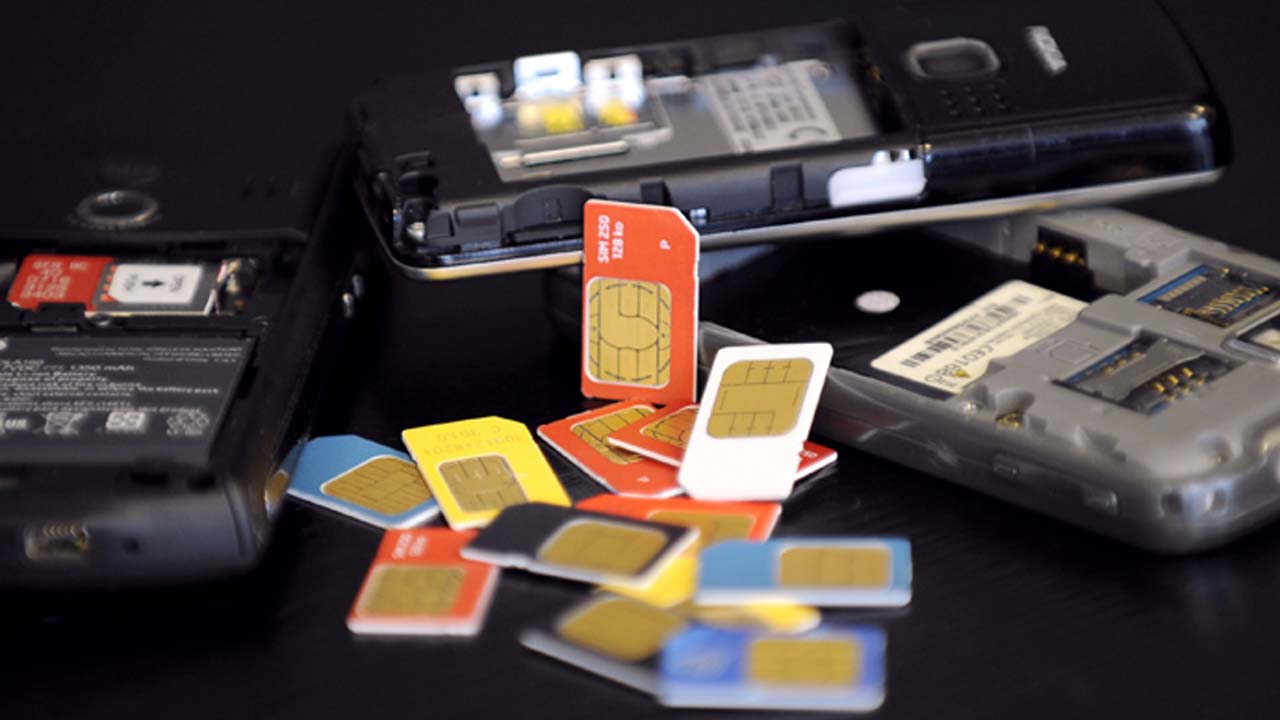
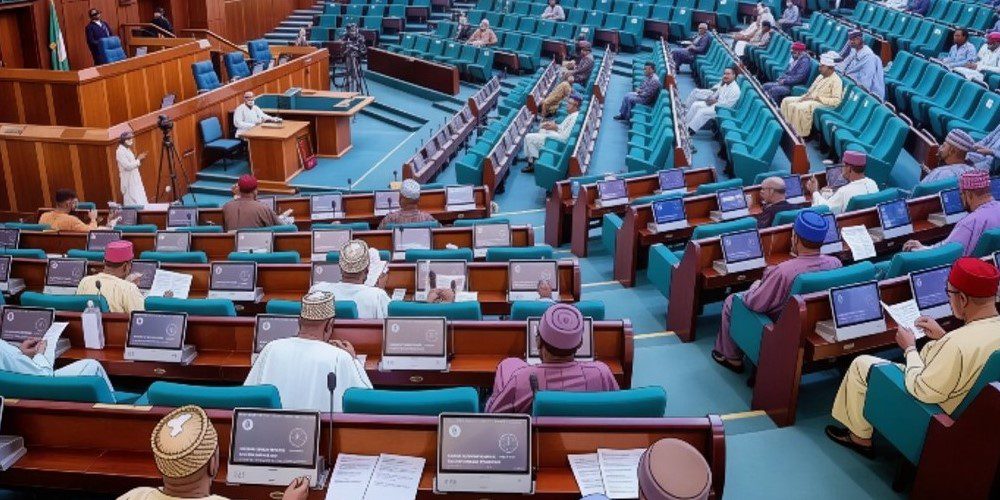
At its Tuesday sitting, the House of Representatives said it will ask the Nigerian Communications Commission (NCC) to extend the waiting period before recycling dormant SIM cards and reassigning them to new users.
They noted that the move would strengthen compliance with the Data Protection Act, 2023, and protect Nigerians from fraud, identity theft, and wrongful criminal allegations linked to reassigned SIM cards.
The resolution was adopted following a motion sponsored by the member representing Orhionmwon/Uhunmwode Federal Constituency of Edo State, Billy Osawaru, during plenary. In addition, Osawaru said the added six months should be used to publicly announce in national newspapers and report to the police once or twice annually on the inactive phone numbers.

“We are worried that many innocent Nigerians and other nationals have been embarrassed, humiliated and extorted, over false allegations resulting from reallocation of SIM cards or phone numbers used to commit a crime by the previous user,” he stressed.
Concerns have grown over gaps in SIM recycling processes, which have exposed Nigerians to identity theft, financial loss, and other risks.
“We are concerned that if not strictly guided and checked, reallocation of SIM cards or phone numbers to new subscribers could lead to data breaches, identity theft and financial fraud, especially when the numbers are still linked to the previous owner’s sensitive information, such as Bank Verification Number and National Identity Number,” Osawaru added.
Following the resolution, the motion was well-received by lawmakers and was adopted without opposition.
After the bill’s passage, the House directed its Committees on Communications and Commerce to work with the NCC, the Nigeria Data Protection Commission, and other relevant agencies to ensure there are stronger protections for telecom subscribers.
The committees are then expected to report back to the house within four weeks for further legislative action.
Also Read: Your new SIM could be someone else’s old number: Inside Nigeria’s risky SIM recycling system.
Issues relating to phone number recycling
For a while, serious identity-damaging issues have emerged when a recycled SIM card is still linked to a previous user’s sensitive data, such as a bank account.
Although telcos have the right to recycle SIM cards once it has been inactive for 12 months, meaning no financial activity or call usage. But Section 28 of the NCC’s draft guidelines states that all recycled SIMs must be thoroughly cleaned of any NIN attached to allow a new user to link their own NIN.
However, the ongoing reality still shows that many recycled phone numbers are not properly purged before being reassigned. This often occurs when a subscriber purchases a new SIM card and begins receiving messages meant for a previous user, or when financial institutions still link the number to another person’s records.
It then becomes more critical when such information is accessed by fraudsters who can leverage it for identity theft. Access to someone’s NIN, BVN, and other sensitive data poses a serious risk and has exposed individuals to financial loss.

The proposed extension from 12 to 18 months would allow telcos to publicly publish inactive SIM cards and inform users about the potential action of recycling such SIMs.
The Telecoms Industry Risk Management System (TIRMS) is also designed to address these gaps. The framework, an initiative by the NCC, is collaborating with other stakeholders to aggregate data and curb electronic fraud.
